Why a Full Service Wedding Planner is Your Best Investment for 2025-2026
Discover the benefits of hiring a full service wedding planner. From budget management to 2025 trends, learn how a professional saves you 300+ hours of stress.
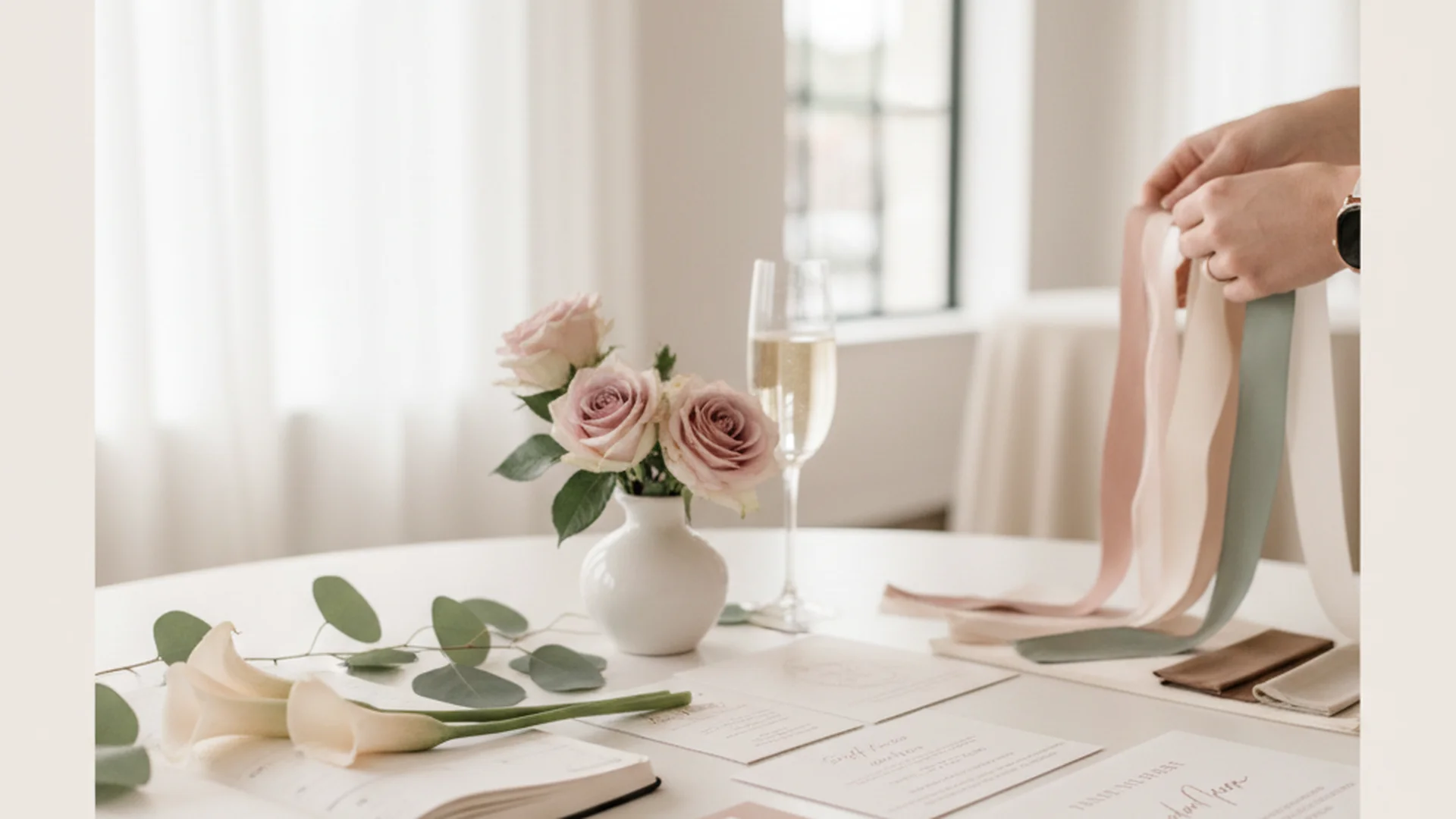
- A full service wedding planner saves an average of 200 to 350+ hours of labor.
- Expect to invest between $6,000 and $25,000 for comprehensive planning services.
- Hiring a planner before booking a venue is the most strategic move a couple can make.
Planning a wedding is often described as one of the most joyful times in a couple's life, but for many, the reality involves hundreds of hours of logistical hurdles, contract negotiations, and budget stress. This is where a Full Service Wedding Planner becomes more than just a luxury—they become a strategic partner in protecting your peace of mind and your relationship. In the 2025–2026 wedding landscape, where multi-day experiences and complex tech integrations are the new standard, having a professional at the helm ensures that your vision is executed flawlessly while you remain present in the moment.
What is a Full Service Wedding Planner?
A full service wedding planner is a professional who manages every single aspect of your wedding from the moment you get engaged until the last guest departs the farewell brunch. Unlike a coordinator who might step in during the final weeks, a full-service professional handles vendor sourcing, contract reviews, budget tracking, aesthetic design, and logistics.
As a relationship counselor, I often see couples experience friction during the planning process. The sheer volume of decisions a wedding requires can lead to "decision fatigue." A full-service professional acts as a buffer, filtering options so you only have to make the final, most important choices.
Note
The Financial Reality: Cost and Pricing Models in 2025
When looking at your overall budget, the cost of a full service wedding planner might seem like a significant line item. However, their ability to prevent costly mistakes often provides a high return on investment.
Typical Pricing Structures
In 2025, planners generally use one of two models:
- Flat Fee: A set price based on the complexity and guest count of the wedding. This is common for mid-range to high-end weddings, typically ranging from $6,000 to $25,000.
- Percentage of Budget: Many luxury planners charge 10% to 18% of the total wedding spend. For a $100,000 wedding, the fee would be $10,000 to $18,000.
Do this
To get a better handle on your overall spending, you can use a Wedding Budget Calculator to see how a planner's fee fits into your total vision.
2025–2026 Trends: What Planners are Orchestrating
The modern wedding is shifting away from traditional "cookie-cutter" formats toward high-concept, intentional experiences. A full service wedding planner is essential for executing these complex 2025 trends.
The "Bridgerton" Regency Revival
We are seeing a surge in demand for "Old Money" aesthetics. Think heritage venues, lush florals, and orchestral covers of modern pop songs. Executing this requires a planner who understands historical design elements and can source specific period-accurate rentals.
Multi-Day Experiences
The single six-hour wedding is being replaced by the "Wedding Weekend." This involves:
- Friday: Welcome cocktails or a themed rehearsal dinner.
- Saturday: The main event and late-night after-party.
- Sunday: A farewell brunch and guest excursions (like wine tasting or city tours).
Managing three days of transport, catering, and guest communication is nearly impossible without professional luxury wedding management.
Sustainability and Tech Integration
A growing number of modern couples prioritize eco-friendly options. Planners are now experts in "no-waste" catering and seasonal floral sourcing. Additionally, planners are using AI for floor-plan optimization and high-quality live-streaming for global guest lists who cannot attend in person.
Tip
Real-World Examples of Planner Impact
Example 1: The Contract Catch
A couple in Chicago was about to sign a contract for a trendy loft space. Their full service wedding planner reviewed the document and noticed the venue required all trash to be hauled off-site by the client at the end of the night—a "hidden" cost that would have required hiring a private disposal company for $1,200. The planner negotiated for the venue to include trash removal, saving the couple both money and a logistical nightmare.
Example 2: The Multi-Cultural Merge
A blended family wedding required merging two distinct cultural ceremonies into one evening. The planner acted as a "cultural translator," ensuring that both families felt represented in the decor and flow while managing a complex timeline that included an outfit change and two different catering styles.
Example 3: The Rain Plan Pivot
During an outdoor destination wedding, a sudden storm rolled in two hours before the ceremony. Because the couple had a full service wedding planner, the "Plan B" (an indoor floral transformation) was executed seamlessly without the couple ever knowing there was a crisis. The planner moved 200 chairs and a floral arch in under 45 minutes.
From the OurVows workspace
Vetting vendors?
Track contacts, contracts, and payments — and never walk into a meeting without the right questions.
Essential Best Practices for Working with a Professional
To get the most out of your partnership, experts recommend a few key strategies:
1. Hire for Personality
You will likely spend more time talking to your planner than your maid of honor over the next 18 months. If your personalities don't "click," the process will feel like a chore. Ensure you feel heard and respected during your initial consultation.
2. Establish a Communication Charter
Decide early on how you will communicate. Will you use Slack for quick questions, a dedicated planning portal like Aisle Planner, or traditional email? Setting these boundaries early prevents "wedding talk" from bleeding into your personal time 24/7.
3. The 6-Month Production Meeting
In 2025, top-tier planners recommend a deep-dive production meeting exactly six months before the date. This is where you walk through every minute of the event flow before final vendor payments are due. It is the best time to catch logistical gaps.
Heads up
Common Mistakes to Avoid
- Hiring the Planner After the Venue: This is the most common error. A planner should help you vet the venue's infrastructure (power, bathrooms, accessibility) before you commit.
- Underestimating Hidden Costs: Many couples forget to budget for vendor meals, service fees, and gratuities. A full service planner will build a "buffer" into your budget. For guidance on this, see How Much to Tip Wedding Vendors.
- The "Day-Of" Delusion: Many couples think they only need a "Day-of Coordinator." However, a wedding with 100+ guests is too complex to hand off 24 hours before. Most "Day-of" professionals actually require 30–60 days of lead time.
- Losing Your Voice: While a planner handles the work, don't let them take over your creative vision. A good planner is a "design translator," not a dictator.
| Feature | Full-Service Planner | Venue Coordinator |
|---|---|---|
| Budget Management | Comprehensive | None |
| Vendor Sourcing | Vets all vendors | Venue-specific only |
| Design & Styling | Creates your look | Property setup only |
| Wedding Day | Leads the whole team | Manages the building |
Frequently asked questions
What is the difference between a Venue Coordinator and a Wedding Planner?
When should I hire a full-service planner?
Will a planner take away my creative control?
Do planners get kickbacks from vendors?
Is a planner worth it for a small wedding?
Conclusion
Hiring a Full Service Wedding Planner is an investment in your mental health and the success of your marriage’s first big milestone. By absorbing the 300+ hours of labor required to produce a modern event, a planner allows you to focus on the "why" of the wedding rather than the "how." Whether you are dreaming of a Regency-style gala or a sustainable multi-day retreat, a professional ensures that your only job on the wedding day is to say "I do."
As you begin your journey, make sure you have the right questions ready. You can find a comprehensive list in our guide on Questions to Ask Wedding Planner.
Do this
Ready when you are
Ready to Start?
Find the perfect professional to bring your vision to life.
Ready when you are
Plan your wedding without the chaos.
Free forever for couples just getting started. Two minutes to set up. No credit card.
Keep reading

How to Choose Wedding Vendors: The Ultimate 2025-2026 Guide
Master the art of building your wedding dream team. Learn how to choose wedding vendors using AI tools, sustainability trends, and expert vetting strategies.

15 Essential Questions to Ask Wedding Videographer Before You Book
Planning your 2025-2026 wedding? Discover the most important questions to ask a wedding videographer to ensure your big day is captured perfectly.

10 Essential Wedding Transportation Tips for a Flawless Big Day
Planning your wedding logistics? Discover expert wedding transportation tips for 2025-2026, from average costs and booking timelines to the latest eco-chic trends.