Mastering Your Moment: Essential First Wedding Dance Tips for 2025 and 2026
Planning your big moment? Discover expert first wedding dance tips to help you shine, from choosing the perfect song to avoiding common mistakes on the dance floor.
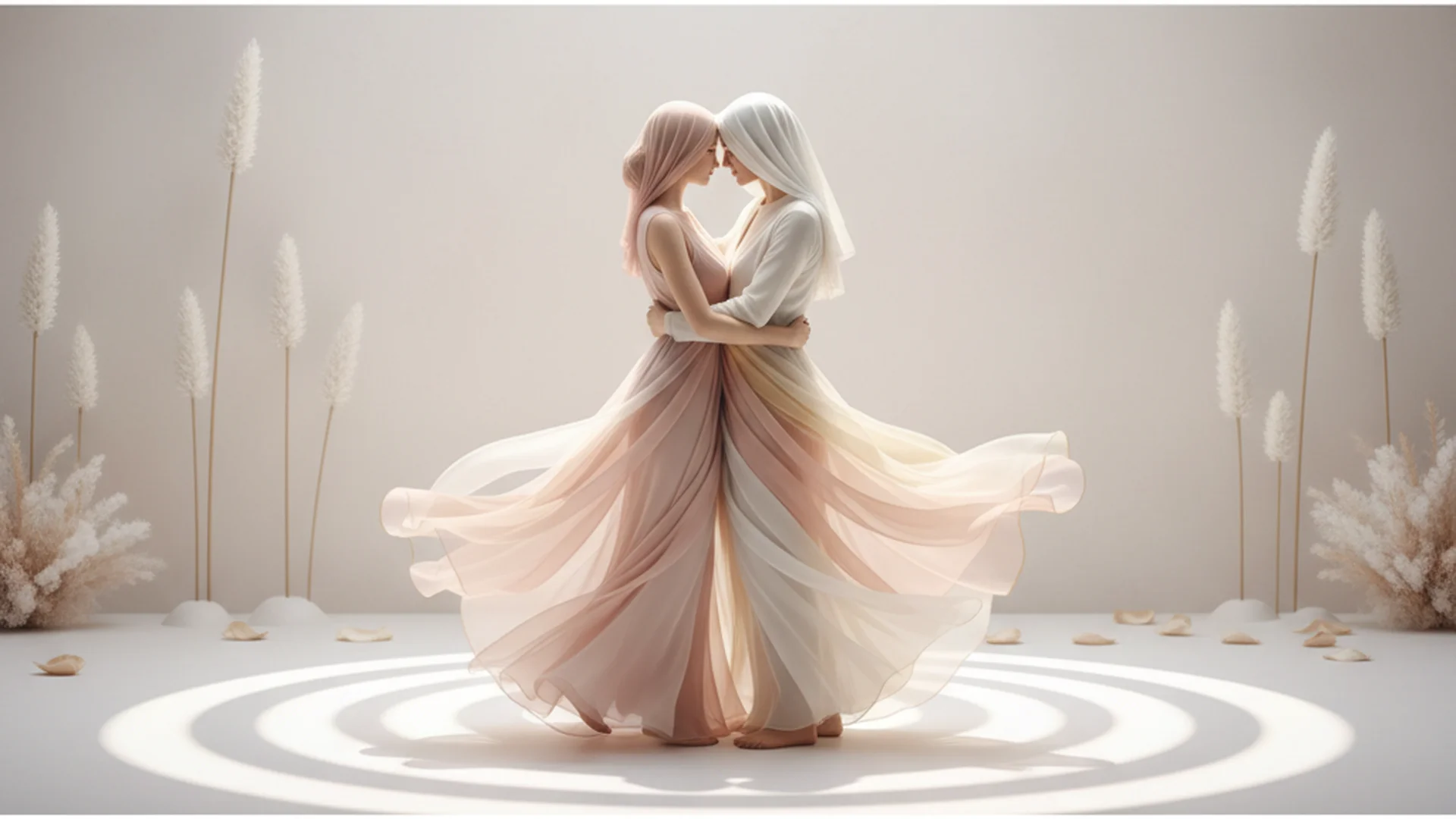
- Start practicing 3 to 6 months in advance to build muscle memory.
- Keep your performance between 90 seconds and 3 minutes to maintain guest engagement.
- Prioritize facial expressions and eye contact over complex footwork.
The lights dim, the chatter of your guests fades into a warm hum, and the first notes of "your song" begin to echo through the ballroom. This is the moment many couples dream of—and many others dread. Whether you are a natural on the floor or someone who considers "the sway" your maximum effort, these first wedding dance tips are designed to transform that anxiety into a confident, romantic highlight of your celebration.
As an interfaith wedding officiant, I have seen hundreds of couples transition from the "I do" to the "Let’s dance." The first dance is more than just a performance; it is a symbolic transition from the formal ceremony to the joyous celebration of your new life together. In 2025 and 2026, the trend is moving away from stiff, overly formal routines toward authentic, high-energy, or deeply personal moments that reflect a couple’s unique personality.
Starting Your Dance Journey: When and How to Prepare
Preparation is the antidote to stage fright. While it might be tempting to leave the dancing until you’ve checked off the major items on your 12 Month Wedding Planning Checklist, starting early is the best way to ensure you actually enjoy the moment.
The Ideal Timeline
Most professional instructors recommend a lead time of 3 to 6 months. This isn't because the steps are necessarily hard to learn, but because it takes time for "muscle memory" to take over. When the adrenaline of the wedding day hits, you don't want to be thinking, "Left foot, then right foot." You want to be looking into your partner's eyes.
If you are currently within the window of your 6 Month Wedding Planning Checklist, now is the perfect time to book your first lesson or start your at-home practice sessions.
Professional Lessons vs. DIY
Should you hire a pro? Many couples now invest in professional choreography. In 2025, a full package (usually 10–20 classes) can range from $500 to $2,500.
- Professional Lessons: Best for couples who want a specific routine (like a Mashup or a Tango) or those who are very nervous and need a confidence boost.
- DIY Practice: Best for couples who want a natural, romantic sway with a few "special moves" like a dip or a spin.
Tip
Selecting the Perfect Soundtrack
The foundation of any great first dance is the music. In 2025, we are seeing a fascinating split in song choices. While many couples still lean into classic hits (think Etta James or Frank Sinatra), a growing number are opting for contemporary tracks or acoustic remixes of high-energy pop songs.
The "Sweet Spot" for Duration
One of the most important first wedding dance tips is to keep it short. While the recorded version of your favorite song might be four or five minutes long, performing for that length of time can feel like an eternity for both you and your guests. Aim for 90 seconds to 3 minutes.
Heads up
2025-2026 Musical Trends
We are seeing a massive surge in 2000s Nostalgia. Don't be surprised to hear acoustic versions of pop-punk anthems or early R&B hits. Additionally, "Acoustic Remixes" are huge—think of Kacey Musgraves’ 2025-style remixes that take a fast song and turn it into a dreamy waltz.
| Style | Recommended Song Type | Vibe |
|---|---|---|
| Classic | Soul, Jazz, Standards | Timeless & Elegant |
| Modern | Indie Folk, Pop Ballads | Personal & Current |
| High Energy | Swing, Disco, 80s Pop | Fun & Unexpected |
The "Three-Section" Rule for Choreography
You don’t need to be a professional to look like one. Instructors often use the "Three-Section" rule to help couples organize their movement without feeling overwhelmed.
Section 1: The Grand Entrance
How you walk onto the floor sets the tone. Don't just shuffle out. Hold hands, smile at your guests, and take your position with purpose. This is the moment for your photographer to get those wide shots of the room.
Section 2: The Main Body
This is where you perform 3–4 repeatable moves. You don't need a different move for every lyric. Find a "home base" step (like the box step or a simple side-to-side) and return to it between spins or dips.
Section 3: The Big Finish
Every great dance needs a finale. Whether it’s a classic dip, a lift (if you’ve practiced!), or simply inviting the bridal party to join you, make sure the end is clear so the DJ knows when to transition and the guests know when to cheer.
Do this
Technical Tips for a Flawless Performance
Beyond the steps, several technical factors can make or break your first dance.
Watch Your "Practice Face"
Professional instructors often highlight the "concentration face"—that look of intense anxiety or a slight frown couples get when trying to remember choreography.
Note
The Wardrobe Factor (Dress Rehearsals)
Your wedding attire will move differently than your yoga pants or jeans.
- The Shoes: New dress shoes are notoriously slippery. Scuff the bottoms with sandpaper or apply non-slip pads to avoid a "YouTube fail" moment.
- The Dress: If you have a long train, ensure your bustle is secure. Practice at least once in a skirt of similar length to understand how much space you need for turns.
Vendor Coordination
Your dance doesn't happen in a vacuum. You must coordinate with your team:
- The DJ: Confirm the exact second the music should start. Do you want to be introduced and then the music starts? Or do you want the music playing as you walk out?
- The Photographer: Tell them where on the floor your "big move" will happen. If you're doing a dip, you want them positioned to see your faces, not your backs.
From the OurVows workspace
Turn this guide into a plan.
A checklist that knows what's next, a shared budget, and a guest list that actually works — free to start.
Trends for 2025 and 2026: The High-Tech Dance Floor
If you want to go beyond the traditional, the next two years are all about Technological Immersion.
- LED Dance Floors: Pixel-based floors that can change colors to the beat or display custom animations (like your monogram) are becoming a staple in high-end weddings.
- Projection Mapping: Imagine stars moving across your gown or floral patterns "growing" up the walls of the venue as you dance.
- Atmospheric Effects: "Dancing on Clouds" (dry ice fog) remains the #1 requested effect, especially when paired with "Cold Sparks"—indoor-safe sparklers that create a cinematic crescendo for your finale.
Common Mistakes to Avoid
Even the most prepared couples can fall into these common traps:
- The "Never-Ending" Sway: If you haven't taken lessons, please don't let a 5-minute song play. It becomes awkward for everyone involved. Have your DJ fade the song out at the 2-minute mark.
- Ignoring the "Front": Most rooms have a "front" (where the most guests or the head table is). Make sure you aren't dancing with your back to the majority of your guests for the entire song.
- Slippery Soles: As mentioned before, verify the grip on your shoes. Many wedding floors are polished wood or marble, which can be like ice.
- Over-Choreographing: Trying to do a Dancing with the Stars routine with only two weeks of prep is a recipe for stress. It is better to do three moves perfectly than ten moves poorly.
Heads up
Alternatives to the Traditional First Dance
Not every couple wants the spotlight for three minutes. If the idea of a first dance fills you with genuine dread, consider these modern alternatives:
- The Ice Breaker: Dance alone for 45 seconds, then have the DJ invite all married couples to join you.
- The Joint Performance: If you are musical, sing a song together or play instruments.
- The Champagne Tower Pour: Replace the dance with a choreographed pouring of a champagne tower—it’s visual, celebratory, and over in 60 seconds.
- The First Toast: Use the time to stand together and give a joint thank-you speech to your guests.
Frequently asked questions
How early should we start practicing our first dance?
What if we have "two left feet"?
Can we skip the first dance entirely?
How long should the first dance song be?
Should we practice in our wedding shoes?
Conclusion
Your first dance is a beautiful opportunity to pause and connect with your new spouse amidst the whirlwind of the wedding day. Whether you opt for a high-tech LED performance or a simple, quiet sway, the most important thing is that it feels like you. By following these first wedding dance tips, you’ll be prepared to step onto the floor with confidence, grace, and joy.
Remember, if you stumble, just laugh it off and keep moving. Your guests aren't there to judge your technique—they are there to celebrate your love.
Do this
Ready when you are
Plan Your Perfect Day
Get organized with our custom wedding tools.
Ready when you are
Plan your wedding without the chaos.
Free forever for couples just getting started. Two minutes to set up. No credit card.
Keep reading
The Anti-Anxiety Wedding Guide: How to Actually Enjoy Your "I Dos"
Learn expert strategies for dealing with wedding day anxiety. Discover 2025 trends, grounding techniques, and mental health tips to stay present on your big day.
25+ Creative Wedding Seating Chart Ideas & Etiquette Guide (2025-2026)
Discover the best wedding seating chart ideas for your 2025-2026 celebration. From interactive displays to high-tech QR codes, plan your reception layout with ease.
Essential Cold Weather Wedding Tips for a Sophisticated Winter Celebration
Planning a winter wedding? Discover essential cold weather wedding tips on logistics, fashion, and 2025-2026 trends to ensure a cozy, high-end guest experience.