Hot Weather Wedding Tips: The Ultimate Guide for 2025 and 2026
Navigate record-breaking heat with our expert hot weather wedding tips. Learn about cooling trends, heat-resistant fabrics, and guest-first hydration strategies.
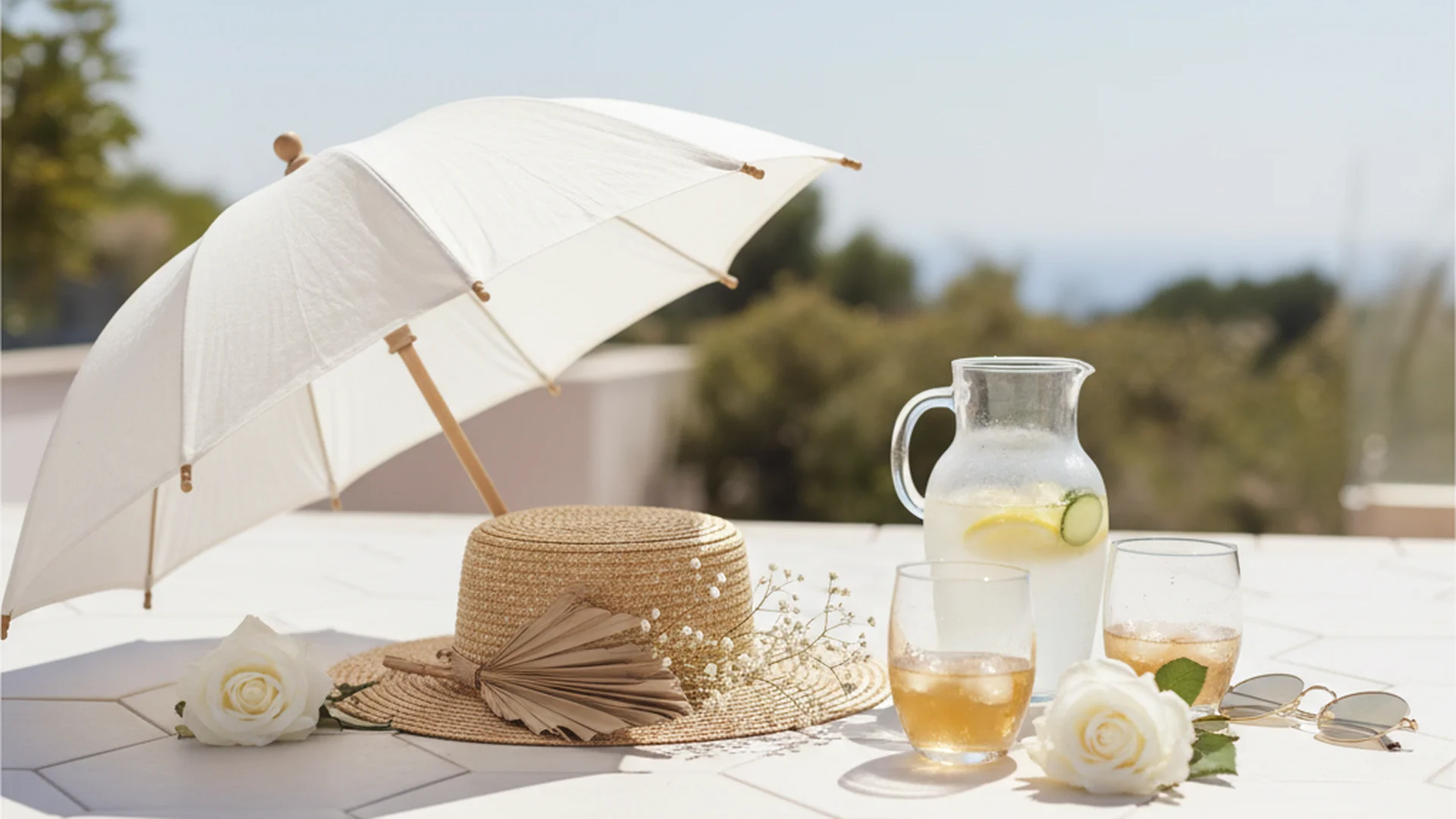
- Shift ceremony times to 4:00 PM–6:00 PM to avoid peak heat and capture golden hour light.
- Prioritize guest-first hydration with a 1:1 water-to-alcohol ratio.
- Choose breathable natural fabrics like linen and silk over synthetic polyesters.
Planning a wedding is a monumental task, but planning one in the midst of a modern summer requires a specific set of tactical maneuvers. As an interfaith wedding officiant, I have seen firsthand how a beautiful ceremony can be overshadowed by the physical toll of extreme temperatures. With 2025 virtually certain to rank among the warmest years on record, implementing the right hot weather wedding tips is no longer a luxury—it is a necessity for the safety and enjoyment of your guests.
The reality is that summer weddings are evolving. We are seeing a shift toward "guest-first" experiences where comfort dictates the design. From the "Sailcloth Strategy" for tents to the emergence of "Butter Yellow" cooling palettes, this guide will provide you with the data-backed strategies needed to host a seamless, joyful, and—most importantly—cool celebration.
The Changing Climate of Summer Weddings
The traditional "June Wedding" is undergoing a transformation. In recent years, the U.S. has seen summer temperatures rise significantly, with major cities like Las Vegas and Reno experiencing increases of over 6°F. This warming trend has led to a noticeable surge in demand for October and November dates, as couples look to avoid the unpredictable heatwaves of mid-summer.
However, if your heart is set on a summer date, you must account for the humidity. Currently, over 120 million people in the U.S. deal with near-record humidity levels alongside high heat. Humidity prevents the body from cooling itself effectively through sweat, making guest comfort a primary logistical concern.
Note
Timing and Location: Beating the Peak
The most effective way to manage heat is to avoid it. The peak sun intensity usually occurs between 11:00 AM and 3:00 PM. Scheduling your ceremony during this window is a recipe for wilted flowers and exhausted guests.
The Golden Hour Advantage
Ideally, you should aim for a ceremony start time between 4:00 PM and 6:00 PM. Not only does this allow the worst of the midday heat to dissipate, but it also aligns with the "Golden Hour." This provides softer, more flattering light for your photography, avoiding the harsh shadows (often called "raccoon eyes") created by high-overhead sun.
The Sailcloth Strategy
If you are committed to an outdoor reception, your choice of shelter is critical. Many couples mistakenly choose clear-top plastic tents for the views, but these create a "greenhouse effect," trapping heat inside and skyrocketing the temperature.
Instead, opt for sailcloth tents. Sailcloth is breathable and reflects sunlight, providing a much cooler environment. When combined with a professional misting system or high-powered portable AC units, a sailcloth tent can remain comfortable even on a humid afternoon.
Tip
Fashion and Fabric: Dressing for the Heat
What you and your wedding party wear will dictate how long you can comfortably remain outdoors. In 2025 and 2026, the trend is moving toward "breathable luxury."
Choosing the Right Fabrics
Avoid polyester and heavy satins at all costs. These synthetic fabrics trap heat against the skin. Instead, look for:
- For Brides: Chiffon, silk, and crepe are lightweight and allow for airflow.
- For Grooms: Linen, seersucker, or lightweight wool-silk blends are essential.
The "Second Look" Necessity
One of the biggest trends for 2026 is the "Second Look." Searches for after-party dresses have surged by 50% as brides realize they need something shorter and lighter for the dance floor. Switching into a silk mini-dress or a lightweight romper for the reception ensures you can celebrate without overheating.
| Person | Recommended Fabric | Fabric to Avoid |
|---|---|---|
| Bride | Chiffon, Silk, Crepe | Heavy Satin, Polyester |
| Groom | Linen, Seersucker | Heavy Wool, Velvet |
| Guests | Cotton, Rayon | Synthetic Blends |
Heads up
Hydration and Catering Adjustments
Alcohol is a diuretic, which can lead to rapid dehydration in hot weather. To counter this, experts recommend the "1:1 Rule": provide at least one glass of water for every alcoholic drink served.
Beyond the Water Bottle
Create a visual and refreshing experience with Hydration Stations. Instead of lukewarm plastic bottles, offer:
- Infused water (Cucumber-mint, Lemon-berry, or Watermelon-basil).
- Signature Mocktails that focus on electrolytes and cooling ingredients.
- Chilled eucalyptus-scented towels handed out during the cocktail hour.
Light and Fresh Catering
Heavy "winter" foods like cream-based soups or thick pastas are difficult for the body to process in the heat, making guests feel lethargic. Focus on a progressive lounge-style menu featuring:
- Chilled Appetizers: Ceviche, gazpacho shooters, or tuna tartare.
- Light Proteins: Grilled seafood, lemon-herb chicken, or plant-based options.
- The Fondant Rule: If your cake is displayed outdoors, use fondant. Buttercream is delicious but will melt into a puddle in minutes under the direct sun.
From the OurVows workspace
Turn this guide into a plan.
A checklist that knows what's next, a shared budget, and a guest list that actually works — free to start.
2025-2026 Aesthetic Trends for Summer
The visual language of summer weddings is shifting toward "cooling" aesthetics. We are seeing a move away from the "warm" gold and brass accents of previous years.
- Cool-Toned Metallics: 2026 trends favor stainless steel and chrome in table settings. These provide a modern, "chilly" look that visually lowers the perceived temperature of the room.
- The Palette: "Butter Yellow" and "Cornflower Blue" are the breakout colors. Butter yellow feels sun-warmed but light, while cornflower blue provides a psychological cooling effect.
- Lounge-Style Receptions: Instead of a formal 3-course seated meal, many couples are opting for flowing, interactive food stations. This encourages movement and airflow, preventing guests from feeling "trapped" in a hot seat.
Do this
Common Mistakes to Avoid
Even the most well-intentioned couples can fall into these common traps when planning for the heat:
- Relying Solely on Electric Fans: In high humidity, fans simply push hot air around. Without an AC unit or misting system, they offer very little relief.
- Ignoring the "Bug Factor": Heat brings out mosquitoes and gnats. A common mistake is not providing discreet bug repellent or failing to have the venue pre-treated 48 hours before the event.
- The "Sun is Good for Photos" Myth: Direct, overhead midday sun is the enemy of great photography. It creates harsh shadows and makes everyone squint. Always consult your photographer about the best lighting windows.
- Forgetting Your Vendors: Your photographer, planner, and officiant are working hard in the same heat. Always provide a "cool break zone" and plenty of water for the team making your day happen.
Note
Frequently asked questions
What is the best time for an outdoor summer ceremony?
How do I keep my flowers from wilting in the heat?
What should I include in a guest comfort kit?
Can I still have a Black Tie wedding in the summer?
How do I handle a sudden heatwave "Emergency"?
Conclusion
A summer wedding in 2025 or 2026 can be an absolutely stunning experience, provided you respect the elements. By prioritizing the "guest-first" experience—focusing on timing, breathable fabrics, and aggressive hydration—you can ensure that the only thing "sizzling" at your wedding is the chemistry between you and your partner.
As you continue your journey, remember that budget also plays a role in these logistics. Use our [Wedding Budget Calculator]/tools/wedding-budget-calculator) to see how much you can allocate toward cooling systems and premium sailcloth tents.
Do this
Ready when you are
Start Planning Today
Use our free generator to build your customized summer wedding timeline.
Ready when you are
Plan your wedding without the chaos.
Free forever for couples just getting started. Two minutes to set up. No credit card.
Keep reading
How to Create Wedding Seating Chart: The Ultimate 2026 Guide
Learn how to create wedding seating chart layouts without the stress. Expert tips on etiquette, logistics, and 2025-2026 trends for a perfect reception.
The Anti-Anxiety Wedding Guide: How to Actually Enjoy Your "I Dos"
Learn expert strategies for dealing with wedding day anxiety. Discover 2025 trends, grounding techniques, and mental health tips to stay present on your big day.
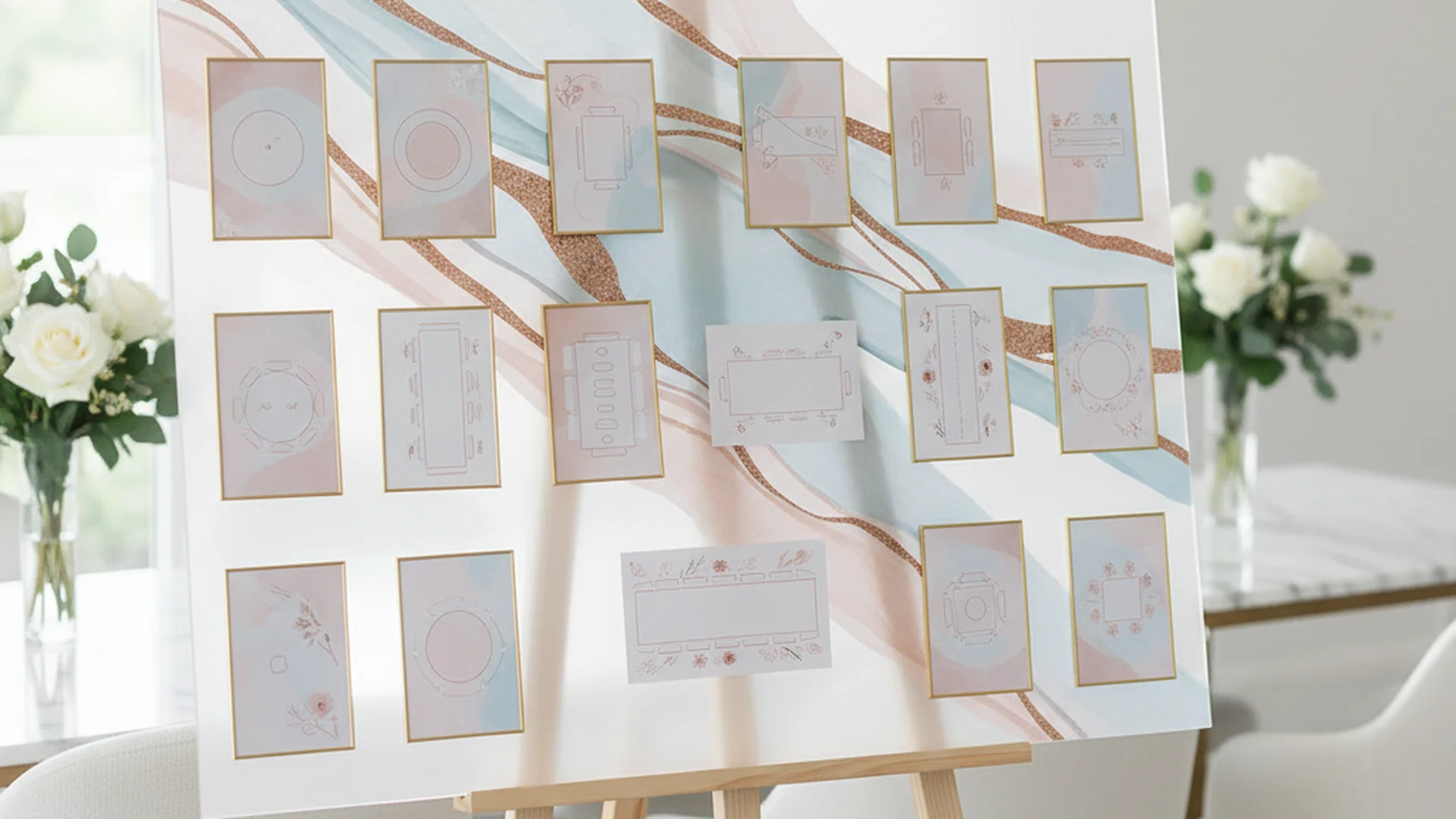
25+ Creative Wedding Seating Chart Ideas & Etiquette Guide (2025-2026)
Discover the best wedding seating chart ideas for your 2025-2026 celebration. From interactive displays to high-tech QR codes, plan your reception layout with ease.