The Ultimate Guide to Estate Wedding Venues: Trends, Costs, and Logistics
Discover everything you need to know about booking estate wedding venues in 2025-2026. From hidden costs to the latest eco-luxury trends.
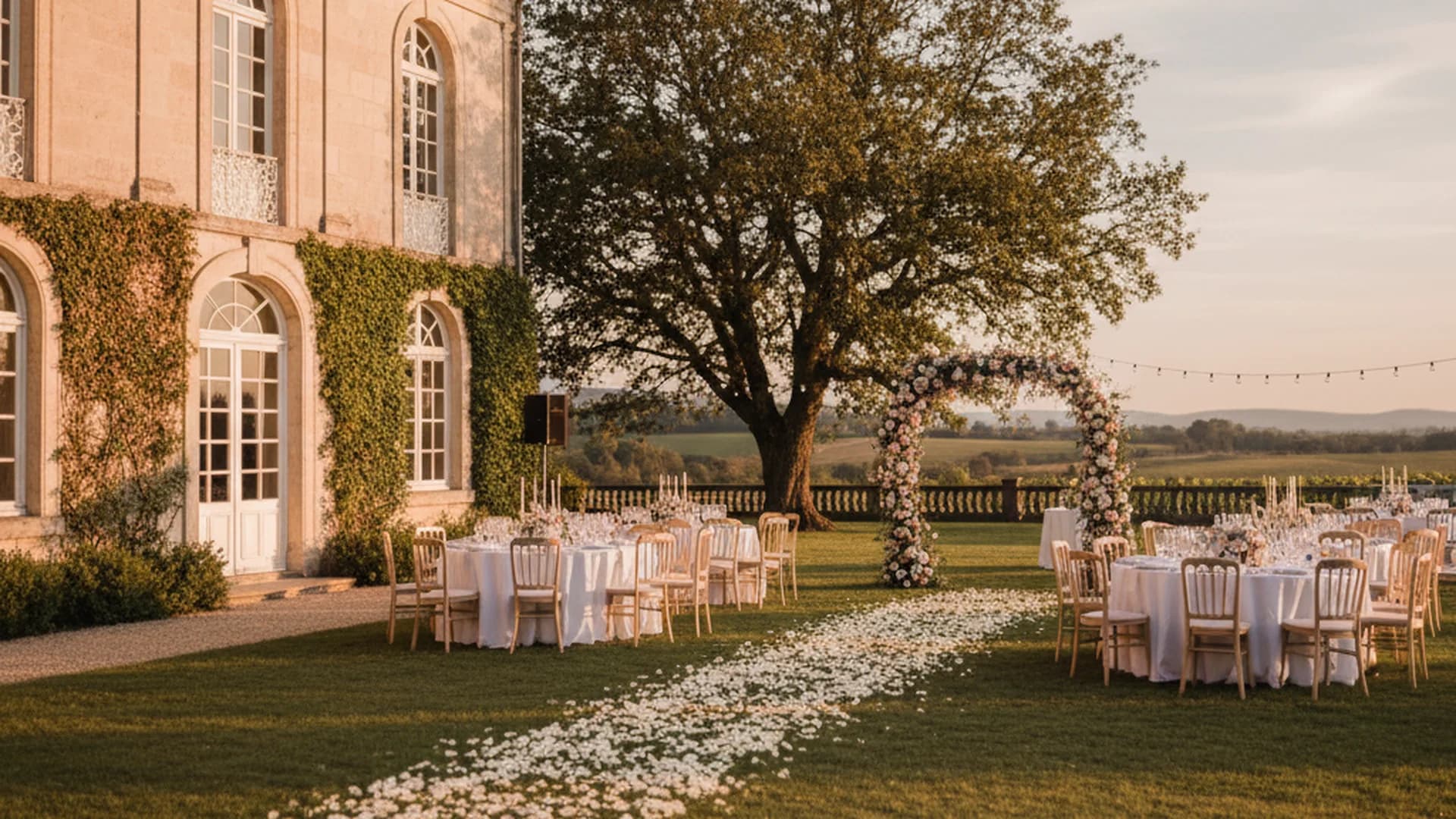
- Estate venues are shifting toward multi-day 'weekend getaway' experiences.
- Hidden costs like tents and generators can add $15,000+ to the base rental.
- Professional planners are essential for managing the 15+ vendors typical of private estates.
For couples seeking a blend of historical charm and modern luxury, Estate Wedding Venues offer an unparalleled canvas for a once-in-a-lifetime celebration. As an interfaith wedding officiant, I have seen how a private estate can transform a simple ceremony into an immersive, multi-day experience that reflects a couple’s unique heritage and values. However, choosing an estate requires a deeper level of planning than a traditional hotel ballroom.
The global wedding venue service market is surging, expected to reach a staggering $250.5 billion by 2026. This growth is driven by a massive shift in how couples approach their "Big Day." Instead of a fleeting five-hour event, the modern priority is the "Estate Weekend Getaway." A growing number of couples now prioritize venues that allow for a multi-day residency, turning their wedding into a curated retreat for their closest friends and family.
The Financial Reality of Estate Weddings
One of the most common misconceptions I encounter is that hosting a wedding at a private estate is a "budget-friendly" alternative to luxury hotels. While the initial rental fee might appear comparable, the logistical reality is often more complex.
While the national average venue cost sits around $8,573, luxury estate rentals typically range from $10,000 to $20,000 for the space alone. In high-demand markets like California or the Hamptons, these fees can easily exceed $30,000.
What many couples overlook is the "dry hire" nature of these properties. Most estates provide the land and the architecture, but little else. You are essentially building a venue from the ground up, which shifts the budget allocation significantly.
| Expense Item | Estimated Cost (Luxury Estate) | Notes |
|---|---|---|
| Base Site Fee | $10,000 - $25,000 | Includes 2-3 day access |
| Tent & Flooring | $6,000 - $15,000 | Essential for rain backup and dining |
| Luxury Restrooms | $2,000 - $4,500 | High-end trailer units |
| Power/Generator | $1,000 - $2,500 | Required for bands and catering |
| Rentals (Tables/Chairs) | $3,000 - $7,000 | Everything from forks to lounge sets |
Heads up
Why Estates Are Dominating 2025-2026 Trends
The shift toward "Micro-Luxury" and intentional guest experiences has made estate venues the top choice for the upcoming wedding seasons. We are moving away from the "one size fits all" approach and toward hyper-personalized celebrations.
The "Weekend-Long" Wedding Experience
Rather than a traditional Saturday night reception, couples are utilizing estates for three-day experiences. This typically includes Thursday welcome cocktails, a Friday rehearsal dinner on the lawn, the Saturday wedding, and a Sunday farewell brunch. This format allows for deeper connection and less stress on the day of the ceremony itself.
Eco-Luxury and Biophilic Design
Sustainability is no longer just about recycled paper; it is about "barefoot opulence." Estate weddings in 2026 will feature biophilic design elements—living floral walls, solar-powered lighting, and zero-plastic catering. These venues allow nature to do the heavy lifting, utilizing the existing gardens and landscapes as the primary decor.
Bold Aesthetic Palettes
While muted pastels had their moment, we are seeing a move toward bold, saturated colors that pop against the natural greenery of an estate. Think midnight blue, funky fuchsia, and deep sunset oranges. These palettes create a sophisticated contrast with historic stone architecture or manicured gardens.
Tip
Essential Logistics: What to Check Before You Book
Booking one of the many available Estate Wedding Venues requires a critical eye for logistics. Unlike a hotel, these properties are often residential, which brings specific challenges.
The Site Assessment
Never sign a contract without a thorough walkthrough alongside a professional planner. You must check the topography of the land. Is there enough flat ground for a 40x80 tent? Can a 24-foot catering truck navigate the driveway? These are the questions that determine the feasibility of your event.
Power and Infrastructure
Most older estates lack the electrical capacity to handle a professional DJ's lighting rig and industrial catering ovens simultaneously. Plugging too much into a standard house outlet will trip breakers and leave your guests in the dark. Professional estates almost always require tow-behind generators to ensure the event runs smoothly.
Neighbor Relations and Curfews
Residential estates often have strict noise ordinances. In many areas, amplified music must cease by 10:00 PM. It is vital to ask about these "hard stops" early in the process.
Note
From the OurVows workspace
Planning a wedding is a lot. We make it feel like less.
Checklist, budget, guest list, and a wedding website — together in one free workspace built for both of you.
Real-World Examples of Estate Wedding Success
To understand how these elements come together, let's look at three distinct ways couples are utilizing estate venues today.
Example 1: The Tuscan-Style Malibu Estate
A couple used an AI-driven venue matching tool to find a property in California that mimicked the rolling hills of Tuscany. By focusing on "Micro-Luxury," they hosted only 40 guests but invested heavily in a private chef and a custom-built pergola. They utilized our Wedding Budget Calculator to reallocate funds from a large guest list to ultra-premium amenities.
Example 2: The Historic East Coast Manor
This wedding focused on the "Weekend-Long" trend. Guests stayed in local boutiques while the wedding party resided on-site. By spreading the events across the manor’s library, rose garden, and carriage house, they created a narrative journey for their guests over 72 hours.
Example 3: The Eco-Luxury Garden Estate
Focusing on biophilic design, this couple used solar-powered fairy lights and zero-waste catering. The ceremony took place under a 200-year-old oak tree, emphasizing the "barefoot opulence" trend. They saved on floral costs by choosing a venue with a naturally blooming botanical garden, as discussed in our guide to Backyard Wedding Ideas.
Common Mistakes to Avoid
Even the most beautiful Estate Wedding Venues can become a source of stress if common pitfalls aren't avoided.
- Ignoring Liability Insurance: Most private estates require a specific event liability policy, often covering $1M to $2M. Many couples forget to budget for this until the final weeks.
- Underestimating the "Flip": If your ceremony and reception are in the same outdoor space, you need a large staff to "flip" the area in 60 minutes. This requires more labor than a traditional ballroom setup.
- Forgetting Guest Comfort: Beautiful views don't matter if your guests are shivering or swatting mosquitoes. Always budget for "unseen" amenities like high-end heaters, fans, and well-lit pathways for the evening.
- Skipping the Professional Planner: Because you are essentially managing 15+ individual vendors (tenting, flooring, lighting, power, catering, etc.), a planner is non-negotiable for a private estate wedding.
Do this
Frequently asked questions
What exactly is included in an estate rental fee?
Can we use our own caterer at a private estate?
Is a rain backup plan necessary for an estate wedding?
Do we need to provide portable restrooms?
How do we handle guest transportation?
Conclusion
Choosing from the variety of Estate Wedding Venues available is a commitment to a specific vision—one of privacy, elegance, and curated experiences. While the logistics are more demanding than a traditional venue, the result is a wedding that feels truly personal and expansive. By focusing on the 2025-2026 trends of weekend-long stays and sustainable luxury, you can create a celebration that your guests will talk about for years to come.
Remember to start your planning early, as prime estate dates often book up 18 months in advance. Use the right tools, like a 12 Month Wedding Planning Checklist, to stay on top of the many moving parts required to build your dream venue from scratch.
Ready when you are
Ready to Start?
Use our suite of tools to plan your perfect estate wedding.
Ready when you are
Plan your wedding without the chaos.
Free forever for couples just getting started. Two minutes to set up. No credit card.
Keep reading
The Ultimate Guide: Essential Questions to Ask Wedding Venue Before Booking
Planning a 2025 or 2026 wedding? Discover the essential questions to ask wedding venue options to avoid hidden costs and ensure your vision comes to life perfectly.
Rustic Wedding Venues: The Ultimate Guide to Farmhouse Chic and Barn Elegance
Discover the top trends, costs, and essential tips for booking rustic wedding venues in 2025-2026. From "Meadowcore" florals to modern farmhouse aesthetics.

The Ultimate Guide to Desert Wedding Venues: 2025-2026 Trends and Logistics
Planning a wedding in the desert? Discover the best desert wedding venues, 2025 aesthetic trends like Desert Disco, and essential logistics for an ethereal celebration.