25+ Sophisticated Backyard Wedding Ideas for 2025 and 2026
Plan the perfect home-based celebration with our expert backyard wedding ideas. Learn about 2025 trends, hidden costs, and essential infrastructure for an elegant event.
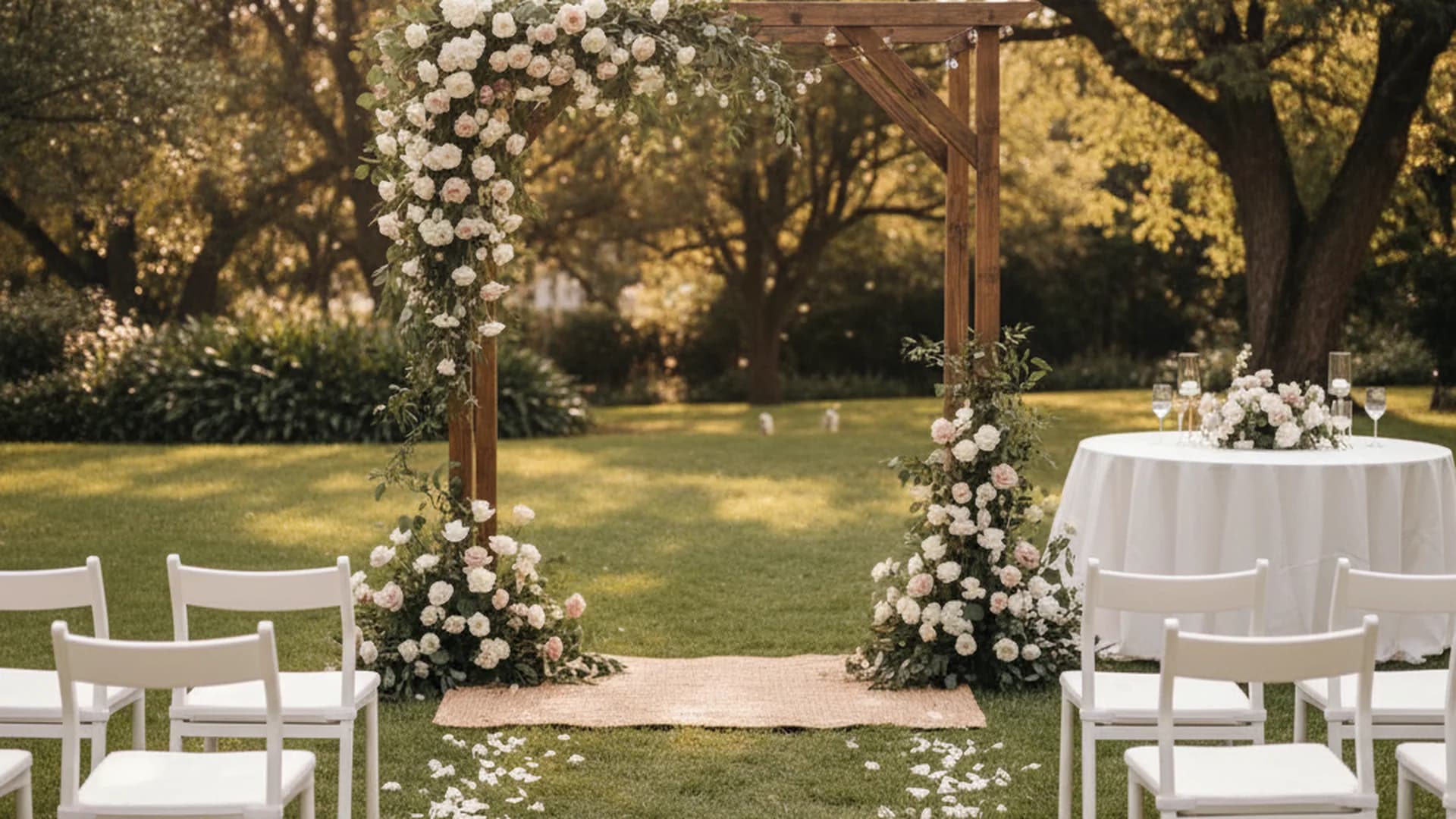
- Backyard weddings require significant infrastructure (power, restrooms, and flooring) that traditional venues already provide.
- Current trends for 2025 focus on "Granny Chic" aesthetics and sustainable, slow-wedding practices.
- Proper spatial planning (6–10 square feet per guest) is the difference between an elegant event and a crowded BBQ.
For many years, the phrase "backyard wedding" conjured images of simple potlucks and DIY streamers. However, as we move into 2025 and 2026, backyard wedding ideas have evolved into something far more sophisticated. As an interfaith wedding officiant, I have seen a massive shift toward highly personalized, intimate home-based celebrations that rival the elegance of five-star ballrooms.
Couples today are prioritizing sustainability and meaningful connection over rigid venue rules. While the "free" venue is a major draw, a successful backyard wedding requires meticulous planning, a deep understanding of infrastructure, and a creative eye for spatial design. Whether you are transforming a family estate or a cozy suburban garden, this guide will help you navigate the logistics and aesthetics of a modern home wedding.
The Financial Reality of Backyard Weddings
One of the most common misconceptions is that getting married at home is the "cheap" option. While you save on the rental fee of a traditional ballroom, you essentially become your own venue manager. This means you are responsible for bringing in every fork, lightbulb, and restroom.
The "Hidden" Venue Fee
When you book a traditional space, your fee covers the roof, the climate control, the professional kitchen, and the restrooms. In a backyard setting, these are "hidden" costs. For a mid-range production, renting high-end tents, portable luxury restrooms, and power generators typically adds $4,000–$13,000 to your budget.
If you are aiming for a high-end production with full flooring and professional catering tents, those costs can easily push a total budget toward the $70,000 mark. Before diving in, it is wise to use a Wedding Budget Calculator to see how these rentals fit into your overall plan.
Budgeting for the Unexpected
- Permits: Depending on your municipality, you may need noise permits or parking waivers.
- Landscaping: Many couples spend an extra $2,000–$5,000 on "wedding-ready" landscaping in the months leading up to the date.
- Insurance: Most homeowners' insurance policies do not cover a 100-person event. You will need a supplemental event liability policy.
Note
Trending Aesthetics for 2025 and 2026
The "Rustic Barn" era is taking a backseat to more curated, residential-feeling aesthetics. If you are looking for backyard wedding ideas that feel current, consider these emerging trends.
"Granny Chic" & English Countryside
Moving away from hay bales and burlap, the new trend is the "English Countryside" look. Think of the cozy, layered aesthetic of a Nancy Meyers film. This style features:
- Floral linens and patterned tablecloths.
- Mismatched ceramic vases and vintage silverware.
- A focus on "Iris-from-The-Holiday" vibes—comfortable, lived-in luxury.
Sustainable "Slow" Weddings
Sustainability is no longer an afterthought. In 2025, we are seeing a shift toward "slow" weddings. This involves using locally grown, "foraged" florals—often taken directly from the property where the wedding is held. This pairs beautifully with zero-waste catering and the use of potted plants that can be replanted after the ceremony.
Celestial Dreamscape
For evening events, "Celestial Dreamscape" themes are trending. This utilizes dark backdrops (navy or deep charcoal), glittering fairy light "ceilings" inside tents, and iridescent metallic accents. It turns a standard backyard into an ethereal, star-lit forest.
Tip
Spatial Design: Creating "Zones"
The biggest mistake couples make when planning a backyard wedding is treating the entire yard as one big room. Without structure, the event can feel like a standard family BBQ rather than a wedding.
Defining Your Zones
To create a professional flow, you must use rugs, furniture clusters, and lighting to define distinct areas:
- The Ceremony Site: Usually the focal point of the yard, often framed by a permanent structure like a large tree or a pergola.
- The Cocktail Lounge: A transitional space with high-top tables and perhaps a few soft seating options (couches or vintage armchairs).
- The Dining Room: Whether under a tent or under the stars, this area should be clearly demarcated with flooring or lighting.
- The Late-Night Corner: A space for a fire pit, a gourmet "late-night snack" station, or interactive entertainment like a live illustrator.
Space Requirements by Guest Count
Experts recommend 6–10 square feet per person for seating alone.
| Guest Count | Min. Reception Sq Ft | Total Yard Space Recommended |
|---|---|---|
| 50 (Micro) | 500 sq ft | 1,200 sq ft |
| 100 | 1,000 sq ft | 2,500 sq ft |
| 150 | 1,500 sq ft | 4,000 sq ft |
Heads up
From the OurVows workspace
Planning a wedding is a lot. We make it feel like less.
Checklist, budget, guest list, and a wedding website — together in one free workspace built for both of you.
Essential Infrastructure: The Un-Glamorous Side
A backyard wedding is only as good as its power and plumbing. As an officiant, I’ve seen ceremonies delayed because a caterer tripped the house breaker or the guest line for the single indoor bathroom grew to twenty people.
Power Play
Do not rely on your home’s standard outlets. A professional DJ, heavy-duty catering ovens, and thousands of string lights will easily overwhelm a residential electrical panel.
- Recommendation: Rent a quiet-run generator specifically for the event. This ensures your music doesn't cut out just as you're about to say your vows.
Luxury Restrooms
Most home septic systems are not designed for 50+ people using the restroom repeatedly within a five-hour window.
- The Rule: For any event over 30 people, rent a luxury "restroom trailer." These are climate-controlled, include mirrors and sinks, and handle the waste management independently of your home’s pipes.
Catering Logistics
Professional caterers need a "prep tent" or a designated garage space. Most will not want to use your home’s indoor kitchen, as it is usually too small for high-volume service and creates too much foot traffic through your private living spaces.
Do this
Common Mistakes to Avoid
Even the most organized couples can fall into these common traps when planning a backyard wedding.
The "One Set of Chairs" Mistake
Many couples think they can save money by using the same chairs for the ceremony and the reception. This creates an "ugly gap" where guests stand around awkwardly while staff (or worse, family members) lug chairs across the lawn.
- Solution: Always rent two sets of chairs or hire a professional transition team to move them invisibly while guests are at cocktail hour.
Ignoring the Neighbors
A wedding is a joyous occasion for you, but it can be a nuisance for your neighbors.
- Strategy: Notify neighbors at least two months in advance. Many couples provide a "neighbor basket" with a bottle of wine and earplugs. Some even invite neighbors to the cocktail hour to maintain goodwill and mitigate noise complaints.
Underestimating the Floor
Grass is beautiful, but it is the enemy of high heels and heavy tables. If your budget allows, a full-floor rental for the dining and dancing area is one of the best investments you can make. It prevents guests from sinking into the mud if there was a light rain the night before.
Tip
Frequently asked questions
Is a backyard wedding tacky?
How much space do I actually need for 100 guests?
Can my home’s bathrooms handle the guest count?
Do I need a permit for a wedding in my backyard?
What happens if it rains?
Conclusion
A backyard wedding is more than just a ceremony in a garden; it is an opportunity to welcome your community into your most personal space. By focusing on infrastructure first and aesthetics second, you can create an event that is as seamless as it is beautiful. Whether you are leaning into the "Granny Chic" trend of 2025 or planning a sustainable, "slow" celebration, the key is to treat your home with the same logistical respect you would give a professional venue.
From defining your "zones" with elegant lighting to ensuring your power supply is robust, every detail contributes to a stress-free experience for both you and your guests. Remember, the goal of a backyard wedding is freedom and personalization—so don't be afraid to break tradition and make the space truly yours.
Do this
Ready when you are
Ready to Plan?
Use our tools to organize every detail of your home celebration.
Ready when you are
Plan your wedding without the chaos.
Free forever for couples just getting started. Two minutes to set up. No credit card.
Keep reading

The Ultimate Guide: Essential Questions to Ask Wedding Venue Before Booking
Planning a 2025 or 2026 wedding? Discover the essential questions to ask wedding venue options to avoid hidden costs and ensure your vision comes to life perfectly.
Rustic Wedding Venues: The Ultimate Guide to Farmhouse Chic and Barn Elegance
Discover the top trends, costs, and essential tips for booking rustic wedding venues in 2025-2026. From "Meadowcore" florals to modern farmhouse aesthetics.

The Ultimate Guide to Desert Wedding Venues: 2025-2026 Trends and Logistics
Planning a wedding in the desert? Discover the best desert wedding venues, 2025 aesthetic trends like Desert Disco, and essential logistics for an ethereal celebration.