The Ultimate Guide to Building a Bilingual Wedding Website
Ensure every guest feels included with a bilingual wedding website. Learn the best platforms, trends for 2025-2026, and how to avoid common translation traps.
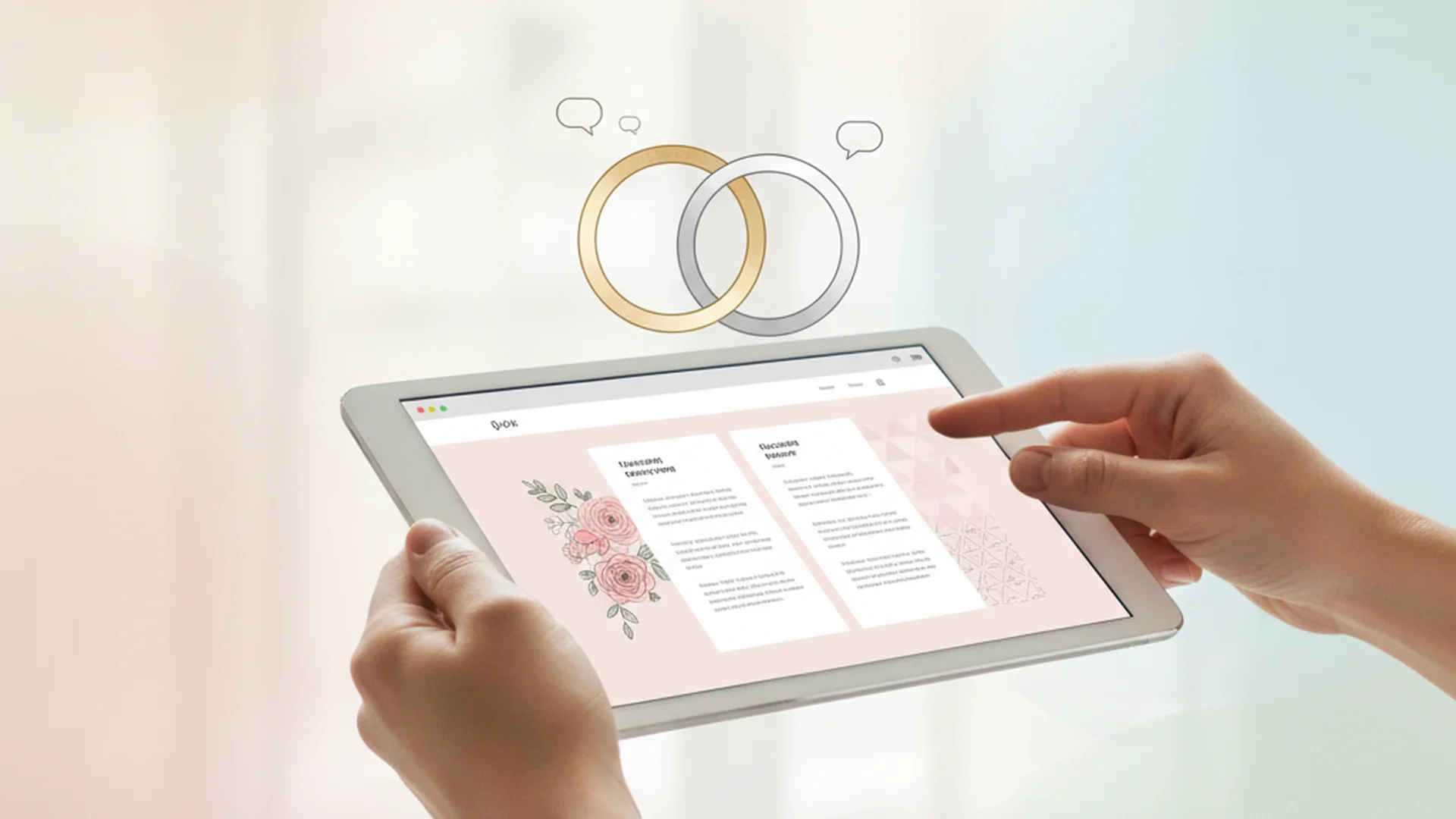
- Prioritize a language toggle over flags to ensure cultural sensitivity and ease of use.
- Focus on translating 'Tier 1' information like schedules, locations, and RSVP forms.
- Avoid 'Double Text' layouts which create a cluttered and confusing user experience.
Love knows no borders, but your wedding logistics certainly do. In an increasingly globalized world, the modern couple is often a blend of cultures, languages, and continents. Building a Bilingual Wedding Website is no longer just a "nice-to-have" feature—it is an essential tool for ensuring that your grandmother in Seoul and your best friend in Seattle are both on the same page (literally).
As we look toward 2025 and 2026, the standard for wedding communication has shifted. It is no longer enough to just have a "Translate" button powered by a generic algorithm. Today’s couples are leaning into immersive storytelling and AI-enhanced experiences to make every guest feel like a VIP, regardless of their native tongue. If you are just starting your digital journey, you might want to check out our Complete Wedding Website Creation Guide to get the basics down before we dive into the multicultural nuances.
Why Language Matters in 2025
We are witnessing a massive surge in multicultural weddings. Interracial marriages are increasingly common, and a growing number of weddings now feature specific customs related to the couple’s unique heritage. This means your website isn't just an info hub; it’s a cultural bridge.
The goal of a bilingual site is to eliminate the "guest gap"—that awkward space where non-primary language speakers feel like they are receiving second-hand information. By providing a native-level experience in both languages, you demonstrate respect for your partner’s heritage and your guests’ effort to travel and celebrate with you.
Tip
The Architecture: One Site or Two?
One of the first hurdles couples face is deciding on the site structure. Should you have one long page with both languages, or two distinct versions of the site?
The "Double Text" Trap
Many couples try to save time by putting English and a second language in alternating paragraphs. This is what we call the "Double Text Trap." It creates a cluttered, confusing "wall of text" that makes it incredibly difficult for guests to scan for the information they actually need.
The Mirror Site Approach
The professional recommendation for 2025 is the "Mirror Site" or "Language Toggle" approach. This involves having one landing page that allows the user to select their preferred language, which then directs them to a version of the site entirely in that tongue.
- Cohesive Branding: Both versions use the same colors, fonts, and images.
- User Experience: Guests only see what they need to see.
- RSVP Accuracy: It ensures guests are answering RSVP questions in the language they understand best.
If you are curious about which tools support these features best, our Wedding Website Builder Comparison breaks down the technical capabilities of the top platforms.
Content Priority: What Needs Translation?
You don’t necessarily need to translate every single word of your 2,000-word "How We Met" story (unless you really want to). To save time and maintain clarity, focus on "Tier 1" information first.
| Information Type | Priority | Why? |
|---|---|---|
| Schedule & Timeline | High | Essential for guest attendance and punctuality. |
| Locations & Maps | High | Critical for international guests navigating a new city. |
| RSVP Forms | High | Prevents dietary requirement and attendance errors. |
| Cultural Explainers | Medium | Helps guests understand rituals (e.g., Tea Ceremony). |
| Bridal Party Bios | Low | Nice to have, but not vital for logistics. |
Translating Context, Not Just Words
A common mistake is forgetting that wedding traditions aren't universal. If you're having a "Rehearsal Dinner," a direct translation might not make sense in a culture where that tradition doesn't exist. Instead of just translating the words, include a "What to Expect" section. Explain that it’s an informal dinner the night before the wedding.
Note
AI and the Future of the Guest Experience
For 2026, we are seeing the rise of the AI Wedding Concierge. New integrations allow couples to embed a chatbot on their website that can answer guest questions in dozens of languages instantly.
Imagine a guest asking, "What is the dress code?" in Portuguese and receiving an instant, accurate response in Portuguese based on your site’s data. This level of accessibility removes the burden from the couple to answer repetitive texts and emails in the weeks leading up to the big day.
Do this
From the OurVows workspace
Building your wedding website?
Pick a template, claim your custom subdomain, and collect RSVPs and gifts — the OurVows website builder is part of Plus, from $12/mo.
3 Real-World Examples of Bilingual Success
To give you a better idea of how this looks in practice, let’s look at three common scenarios for 2025 weddings:
1. The Destination Duo (English & Italian)
A couple living in London is getting married in Tuscany. Their website features a clear "English / Italiano" toggle. The Italian version focuses heavily on travel logistics from the local airport, while the English version includes a "Travel Guide" with tips on local customs and basic Italian phrases. They used a custom domain to keep it professional—learn more about that in our guide to Wedding Website Custom Domains.
2. The Cultural Fusion (English & Mandarin)
For a wedding featuring a traditional Chinese Tea Ceremony followed by a Western reception, the couple used "Cultural Explainers." On the Mandarin side, they explained the Western "Exchange of Vows," and on the English side, they provided a step-by-step guide on what the Tea Ceremony symbolizes.
3. The Digital-First Gen Z Wedding (English & Spanish)
This couple opted for exclusively digital communications. They used QR codes on their "Save the Dates" that automatically detected the user's browser language settings to serve either the English or Spanish version of the site immediately.
Heads up
Handling the Registry and Gifting
The concept of a "registry" is very Western. In many cultures, giving physical gifts is rare, and cash in red envelopes or specific decorative pouches is the norm.
When building your Bilingual Wedding Website, include a section explaining local gifting customs. If you are using a registry, ensure it can handle international shipping or currency conversions. If you prefer a "Honeymoon Fund," explain this clearly in both languages to avoid awkwardness.
Common Mistakes to Avoid
- The "All-In-One" RSVP: Creating one RSVP form where guests have to read both languages. This leads to "form fatigue" and high abandonment rates.
- Inconsistent Updates: Updating the English version of the schedule but forgetting to update the translation. Always update both simultaneously.
- Ignoring Mobile Users: International guests will likely be checking your site on their phones while traveling. If your language toggle is a tiny link at the bottom of the page, they’ll never find it.
- Machine Translation Fails: Translating "Bride" or "Groom" into words that are too informal or grammatically incorrect for a wedding context.
For more tips on the creative side of your site, such as writing your story, check out our Wedding Website Bio Examples.
Frequently asked questions
Should I use one website with two languages or two separate websites?
How do I handle RSVPs for guests who don’t speak my primary language?
Is Google Translate enough for my wedding website?
Do I need to translate every single page?
What are the best platforms for a bilingual site in 2025?
Conclusion
Your wedding is a celebration of a new union, and your website should reflect that unity. By investing the time to build a thoughtful Bilingual Wedding Website, you aren't just sharing information—you're extending a hand of welcome to every guest, no matter where they are coming from or what language they speak.
Focus on clear navigation, prioritize logistical information, and don't be afraid to use modern AI tools to enhance the experience. Most importantly, ensure the tone remains warm and inclusive. After all, love is the one language everyone at your wedding already understands.
Do this
Ready when you are
Ready to Start?
Build your perfect multicultural wedding website today.
Ready when you are
Plan your wedding without the chaos.
Free forever for couples just getting started. Two minutes to set up. No credit card.
Keep reading
The Ultimate Guide to Your Wedding Website Travel Page: 2025 Edition
Learn how to build a high-converting Wedding Website Travel Page. Includes 2025 trends, hotel block tips, and guest logistics to ensure a stress-free experience.

The Ultimate Guide to Wedding Website Mobile Optimization
Ensure your guests have a seamless experience with our guide to wedding website mobile optimization. Learn the latest 2025-2026 trends and best practices.
The Ultimate Guide to Your Wedding Website Announcement: 2025-2026 Edition
Learn the best timeline, wording, and tech trends for your wedding website announcement. Master your digital planning with expert tips for 2025 and 2026.