Where to Save Wedding Budget: Strategic Cutting Without Losing the Vibe
Discover expert strategies on where to save wedding budget for 2025 and 2026. Learn about the 50/30/20 rule, regional cost gaps, and modern trends to save thousands.
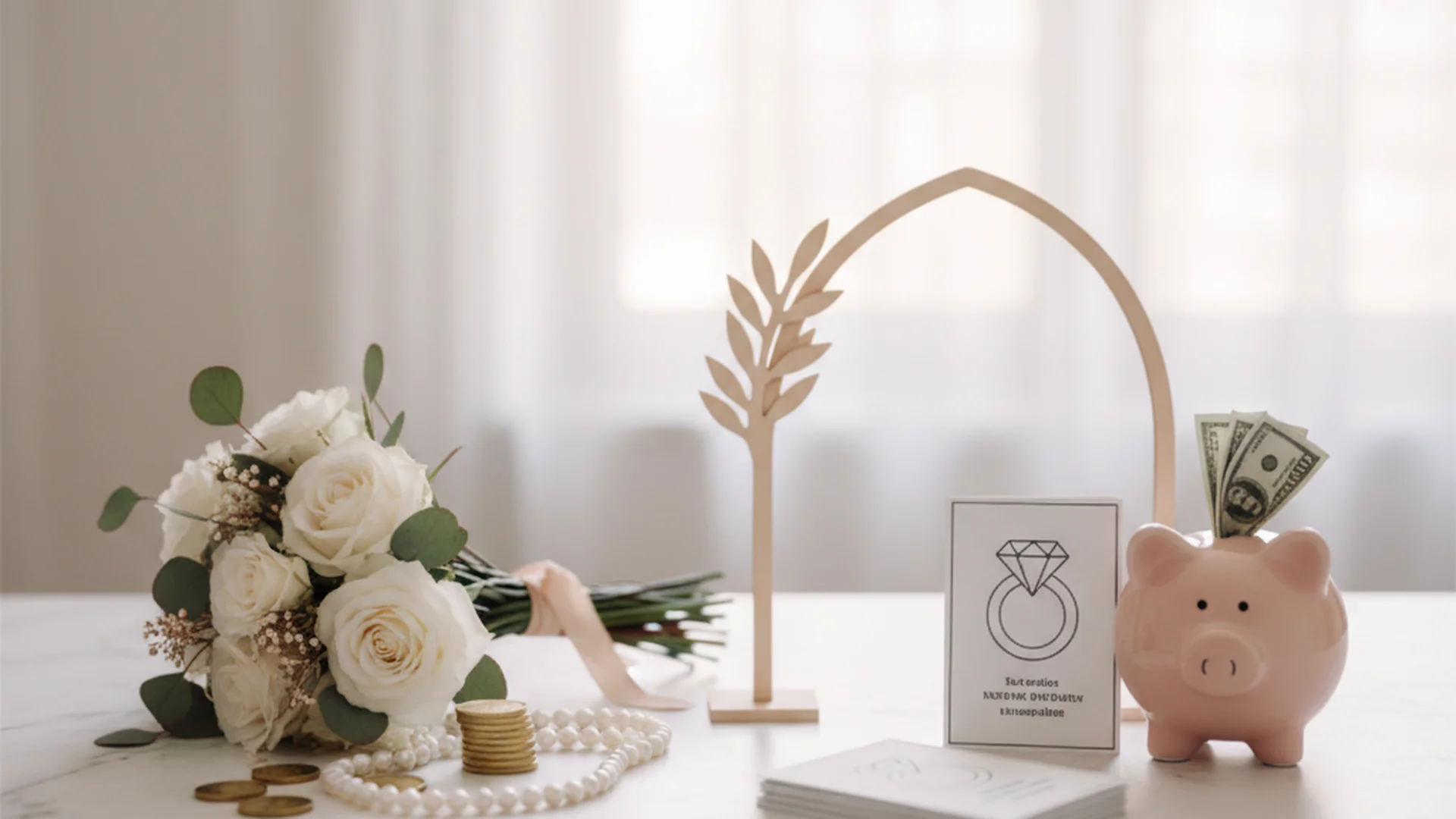
- Prioritize three non-negotiables to keep your "vibe" while cutting costs elsewhere.
- Digital invitations and Friday/Sunday dates offer the most significant immediate savings.
- Be wary of DIY myths; professional services often save money by preventing expensive mistakes.
Planning a wedding is often a couple’s first major financial collaboration, and the pressure can be immense. With the national average cost hitting $33,000 in 2024 and projected to climb to $36,000 by 2025, many couples are left wondering exactly where to save wedding budget without sacrificing the joy of their big day. As a relationship counselor, I’ve seen how financial stress can overshadow the romance of an engagement. The goal isn't just to spend less; it's to spend intentionally on the things that actually matter to your relationship and your guests.
By understanding the current market trends for 2025 and 2026, you can navigate the "wedding tax" and build a celebration that feels luxurious without the soul-crushing price tag. Before you sign another contract, let’s look at the numbers and the strategies that will keep your bank account—and your relationship—intact.
Understanding the New Wedding Economy
The gap between "average" and "median" wedding costs is wide. While the media highlights six-figure galas, the reality is that many couples are successfully hosting beautiful events for closer to $10,000. However, if you are planning for 2026, you must account for a 7–15% inflation buffer. Labor costs and catering supplies are rising, meaning a quote you get today might look very different in eighteen months.
Strategic planning starts with a clear How to Create Wedding Budget foundation. You cannot know where to save until you know where the money is going.
Standard Budget Allocation for 2025-2026
To understand where to cut, you first need to see where the "typical" couple spends. Use this table as a baseline before you start customizing based on your priorities.
| Category | Typical Allocation | Notes |
|---|---|---|
| Venue & Catering | 40–50% | The largest "lever" for savings. |
| Photography & Video | 10–15% | High priority for most couples. |
| Decor & Flowers | 10% | Significant savings found in repurposing. |
| Attire & Beauty | 5–10% | Includes hair, makeup, and tailoring. |
| Entertainment | 5–10% | DJs are usually more budget-friendly than bands. |
| Contingency Fund | 5–10% | Essential for hidden fees and tips. |
The "50/30/20" Rule for Strategic Savings
If you’re feeling overwhelmed by the percentages, I recommend my clients use the "50/30/20" rule for wedding planning. This simplifies your decision-making process:
- 50% for Essentials: This covers the "must-haves" for a legal and functional party (venue, basic food, and your attire).
- 30% for Enhancements: This is for the things that make the day memorable (photography, specific decor, a great DJ).
- 20% for Surprises & Fees: This covers the 20–24% service charges, tips, and the inevitable "forgotten" items like marriage licenses or postage.
Tip
Where to Save: High-Impact Areas
1. The Guest List "Math"
In 2025, the average cost per guest is estimated at $250–$375 when you factor in food, drinks, rentals, and cake. This is the single most effective place to save. Trimming just 10 people from your list can instantly save you over $3,000.
Note
2. Strategic Timing and Geography
Geography is the biggest cost driver in the industry. While a New York City wedding averages nearly $88,000, a similar event in Utah or Nebraska can be hosted for under $17,000. If you have flexibility, look at "secondary" cities or venues just outside of major metropolitan hubs.
Additionally, booking a Friday or Sunday can save you 20–30% on venue rental fees alone. Winter weddings (January–March) are also seeing a resurgence as couples take advantage of significant seasonal discounts.
3. Digital-First Stationery
The traditional "paper suite" is becoming a thing of the past. In 2025, digital-first RSVP systems are the standard. By using digital invites for your Save the Dates and utilizing a QR code on a single printed invitation for RSVPs, you can save between $500 and $1,500 on stationery and postage.
Do this
Modern Trends to Lower Costs in 2026
The "vibe" of 2026 is shifting away from "quiet luxury" and toward vibrant, joyful, and often more cost-effective palettes. Here is how to use these trends to your financial advantage.
Wedding Content Creators vs. Full Videography
A major trend for 2025–2026 is the rise of the Wedding Content Creator. For $500–$1,500, these pros capture "behind-the-scenes" iPhone footage and social-ready clips. For many couples, this allows them to skip expensive $5,000+ videography packages while still having high-quality video memories to share instantly.
Sustainable and Repurposed Florals
Moving "aisle markers" from your ceremony to your reception tables as centerpieces is no longer just a "hack"—it’s a standard 2026 practice. Work with a florist who specializes in "modular" arrangements. This reduces the total amount of floral product you need to purchase while keeping your spaces looking lush.
The "Signature Drink" Strategy
Instead of a full open bar with 15 types of liquor, serve beer, wine, and one signature cocktail. This reduces the variety of alcohol you must purchase (or pay for through your caterer) and significantly speeds up the bar line, which improves the guest experience.
Heads up
From the OurVows workspace
Mapping out your budget?
Set category targets, log every payment, and see exactly where you stand — no spreadsheet required.
Real-World Examples of Strategic Saving
Example 1: The Friday Night Fête
Sarah and Mike wanted a high-end ballroom in Chicago but were quoted $15,000 for a Saturday in June. By switching to a Friday in November, the venue fee dropped to $6,000. They used the $9,000 savings to upgrade their menu to a 5-course feast, which was their top priority.
Example 2: The Micro-Wedding 2.0
Instead of hosting 150 guests in a basic community hall, James and Leo chose a "Micro-Wedding" for 40 guests in a luxury botanical garden. Because their guest count was so low, they didn't need a massive floral budget—the garden provided the decor for free. They focused their funds on a private chef and high-end photography. Check out these 10 Guest Wedding Ideas for more inspiration on high-impact small gatherings.
Example 3: The Content Creator Swap
A couple in 2024 realized their budget was $4,000 over. They decided to forgo a traditional 10-hour videographer and hired a content creator for $800. This allowed them to stay within their Ultimate Wedding Budget Planning Guide parameters while still receiving over 500 pieces of raw footage and edited reels the very next day.
Common Mistakes to Avoid
- The "DIY is Cheaper" Myth: Many couples think DIYing their flowers or cake will save money. In reality, the cost of specialized tools, transportation, refrigeration, and the immense stress on your wedding morning often outweighs the professional's fee. Professionals also carry insurance; if you drop your DIY cake, you have no recourse.
- Ignoring Hidden Fees: Always look for the "plus-plus" (sales tax and service charges). A $100 per person catering quote is actually $125–$130 after the standard 20–24% service charge is added.
- Hiring on Price Alone: Choosing the cheapest photographer usually leads to a "double cost" when you realize the photos are unusable and you have to pay for expensive professional editing later.
- Buying Instead of Renting: Buying 150 glass vases might seem like a deal, but cleaning, transporting, and trying to resell them on Facebook Marketplace after the wedding is a logistical nightmare. Renting includes setup and strike, which is worth the small price difference.
| Mistake | Hidden Cost | Better Alternative |
|---|---|---|
| DIY Flowers | $300 (tools) + Stress | Repurpose ceremony flowers. |
| Buying Decor | Storage + Resale loss | Renting through your florist. |
| B-List Invites | $300+ per guest | Use a Guest Count Calculator. |
Frequently asked questions
How do we even start a wedding budget?
Is a backyard wedding actually cheaper?
How much should we spend on a photographer?
Can we negotiate with wedding vendors?
Conclusion
Finding where to save wedding budget isn't about being "cheap"; it's about being a steward of your future financial health as a couple. By focusing on the "Big Three"—guest list, timing, and intentional spending on non-negotiables—you can host a celebration that feels authentic and abundant. Remember, the goal of the day is to begin a marriage, not just host a party. If the planning process is causing significant strain, it may be time to revisit your priorities and simplify.
Do this
Ready when you are
Ready to Plan?
Take the stress out of your finances with our professional tools.
Ready when you are
Plan your wedding without the chaos.
Free forever for couples just getting started. Two minutes to set up. No credit card.
Keep reading

$40,000 Wedding Budget Breakdown: A 2025-2026 Planning Guide
Discover how to allocate a $40,000 wedding budget in 2025-2026. Get expert breakdowns, real-world examples, and tips for a high-quality guest experience.

The Ultimate Wedding Budget for 150 Guests: 2025-2026 Planning Guide
Planning a wedding for 150? Discover the real costs, hidden fees, and expert tips for managing a wedding budget for 150 guests in the 2025-2026 season.

Mastering Your Wedding Budget Priorities: A Guide for 2025–2026
Navigate 2025–2026 wedding costs with expert advice on wedding budget priorities, hidden fees, and modern trends like AI and experiential spending.