What Not to Wear to a Wedding: The 2025-2026 Guest Etiquette Guide
Avoid fashion faux pas with our guide on what not to wear to a wedding. Discover modern rules for 2025-2026, from the 'white' rule to venue-specific attire.
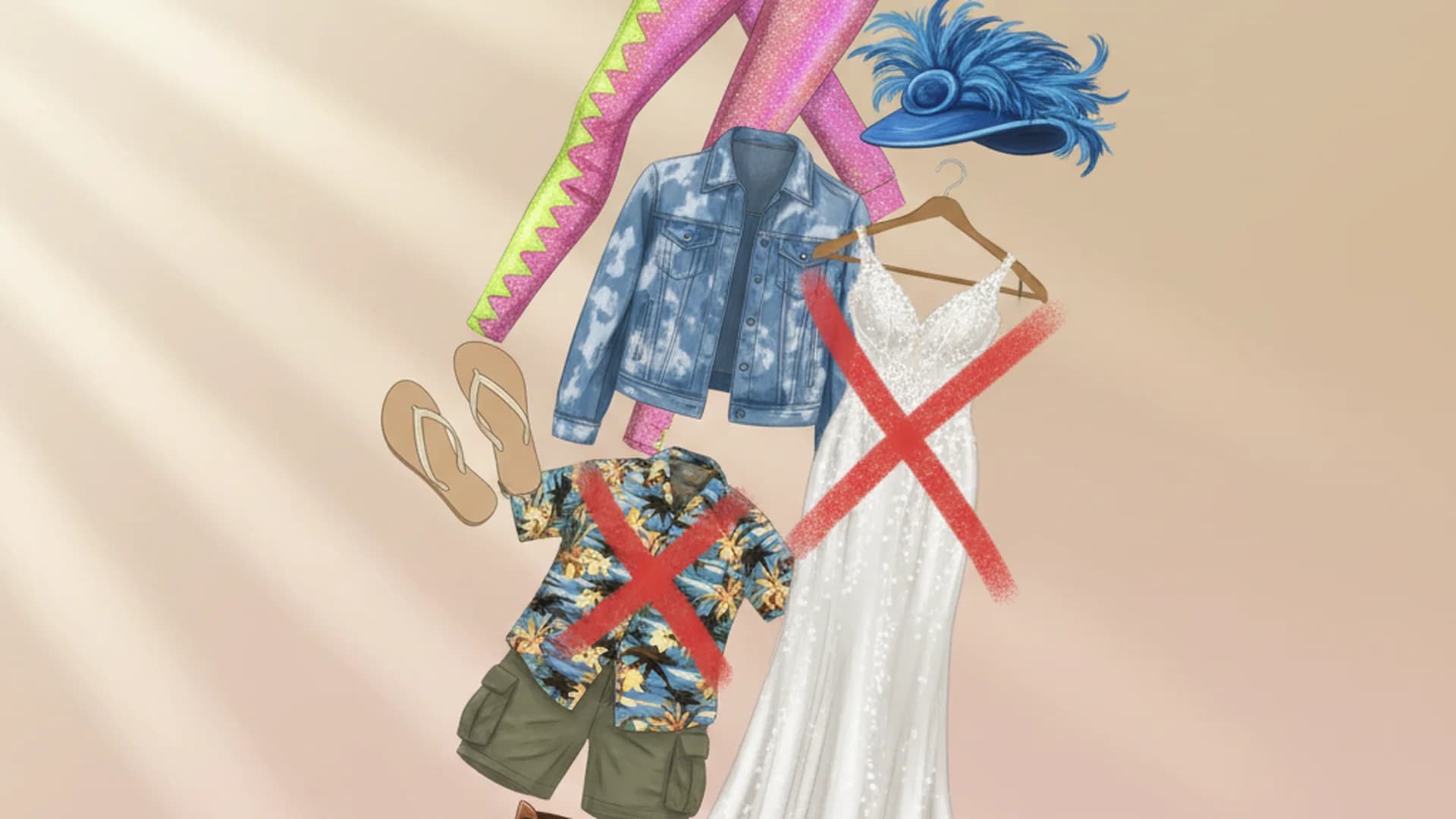
- White, ivory, and champagne remain strictly off-limits for guests.
- Modern etiquette now accepts black and red, with some cultural exceptions.
- Always prioritize the couple's dress code over personal fashion trends.
Attending a wedding is a joyous occasion, but for many guests, the invitation brings a wave of wardrobe anxiety. Between evolving social norms and increasingly creative dress codes, knowing exactly what not to wear to a wedding has become a modern challenge. As an interfaith wedding officiant, I have stood at the altar and seen it all—from the perfectly polished to the accidentally awkward.
In the 2025–2026 wedding season, the lines between traditional and trendy are blurring, but certain "unspoken rules" remain as firm as ever. According to a Zola 2025 survey, 95% of people still agree that wearing white to a wedding as a guest is a major faux pas. Yet, roughly 85% of guests admit they are confused by modern dress codes, fearing they might accidentally break a rule they didn't even know existed.
The Cardinal Sin: Wearing White (And Its Cousins)
The most famous rule of wedding fashion is the prohibition of white. While some might think this rule is outdated, it remains the cornerstone of Complete Guide to Wedding Etiquette. The goal of a wedding guest is to support the couple, not to compete with the bride for attention.
The "Squint Test"
Many guests wonder, "Is 'off-white' or 'cream' okay?" Generally, the answer is a resounding no. If the shade is close enough to be mistaken for white in a dimly lit reception or in high-exposure photography, skip it. This includes champagne, ivory, eggshell, and even very pale silver or "barely-there" pink.
Tip
Real-World Example: The Champagne Incident
I once officiated a garden wedding where a guest wore a stunning champagne-colored silk slip dress. Under the bright afternoon sun, she looked beautiful. However, in the professional photos delivered weeks later, the dress reflected the light so intensely that she appeared to be wearing a second wedding gown right next to the bride. It created an awkward visual tension in the family portraits that could have been easily avoided.
Decoding Modern Color Debates: Red and Black
For decades, wearing red was seen as "too loud" (implying you were trying to steal the spotlight), and wearing black was reserved for funerals. In 2025 and 2026, these rules have undergone a massive shift.
Is Red Still a "No"?
Modern etiquette has softened on this bold hue. 74% of couples now say wearing red is perfectly acceptable. However, context is everything.
Heads up
The Rise of the Black Ensemble
Brides.com (2025) notes that black is no longer considered a "funeral color." It is now a staple for evening, Black Tie Wedding Dress Code, and winter celebrations. A sleek black dress or a well-tailored black suit is viewed as sophisticated and respectful rather than mournful.
Common Mistakes to Avoid
Even with the best intentions, guests often fall into common fashion traps. Understanding these mistakes is the first step toward being the "perfectly dressed" guest.
1. The "Main Character" Syndrome
This occurs when a guest chooses an outfit that demands more attention than the couple.
- Neon Colors: Avoid highlighter yellows or electric pinks unless the invitation specifically asks for a "Bright and Bold" theme.
- Excessive Sequins: Unless it is a "Disco" or "New Year's Eve" themed wedding, head-to-toe sequins can be distracting during a solemn ceremony.
- Dramatic Headwear: Large fascinators or hats that block the view of guests sitting behind you are a significant breach of etiquette.
2. Overly Revealing Attire
A wedding is a milestone event that often involves multi-generational family members and religious settings. A general rule of thumb: "If you're showing a lot of leg, keep the top more covered; if you have a plunging neckline, opt for a longer hem."
3. Ignoring the Venue’s Physicality
Ignoring the terrain is a frequent mistake. If a couple specifies "No Stilettos" for a beach or garden wedding, it's for your safety and the preservation of the venue’s grounds.
Do this
Understanding Complex Dress Codes
The 2025–2026 season has introduced several "hybrid" dress codes that often leave guests scratching their heads.
| Dress Code | What Not to Wear | The Safe Bet |
|---|---|---|
| Festive | Boring office suits or plain jersey dresses | Bold colors, unique textures, and playful accessories |
| Semi-Formal | Jeans, t-shirts, or casual sundresses | A cocktail dress or a suit with a tie (optional) |
| Casual | Flip-flops, sneakers, or athletic wear | Chinos and a polo, or a nice midi-dress |
| Beach Formal | Heavy wool suits or floor-length velvet | Linen suits or breathable maxi dresses |
The "Casual" Wedding Trap
One of the most frequent questions I receive is: "Can I wear jeans if the wedding is 'Casual'?" Experts suggest avoiding denim regardless of the dress code. "Casual" for a wedding is a far cry from "casual" for a Sunday afternoon at home. For more specific guidance on relaxed yet appropriate attire, see our guide on the Semi Formal Wedding Dress Code.
Note
From the OurVows workspace
Planning a wedding is a lot. We make it feel like less.
Checklist, budget, guest list, and a wedding website — together in one free workspace built for both of you.
Trends for 2025 and 2026
If you want to stay ahead of the curve while remaining respectful, keep an eye on these emerging trends for the upcoming seasons.
Gender-Fluid Suiting
We are seeing a massive rise in women and non-binary guests wearing "the feminine suit." This involves oversized blazers, tailored vests, and wide-leg trousers. In 2026, look for these in "gelato tones" like pistachio, apricot crush, and lavender haze.
Old Hollywood Glamour
A return to classic silhouettes is expected in late 2025. Think draped scarves, satin gowns, and even gloves for Black Tie Wedding Dress Code events.
Sustainability and Rental Culture
More guests are opting to rent high-end designer gowns or buy "pre-loved" items. This reduces the environmental impact of "one-time-wear" outfits and allows guests to wear higher-quality fabrics that fit the etiquette requirements of luxury venues.
Practical Advice for the Wedding Day
Layering is Essential
Regardless of the season, always bring a chic wrap, blazer, or pashmina. Reception halls are often heavily air-conditioned, and outdoor ceremonies can get chilly the moment the sun drops.
Break in Your Shoes
Experts recommend "breaking in" wedding shoes at least two weeks before the event. If you must wear high heels, pack a pair of elegant foldable flats for the dance floor. There is nothing less "glamorous" than a guest walking barefoot through a reception hall because their feet hurt.
Heads up
Frequently asked questions
Is "Off-White" or "Cream" okay?
Can I wear jeans if the wedding is "Casual"?
What does "Festive" dress code even mean?
Should I match the bridesmaids?
Are jumpsuits appropriate for formal weddings?
Conclusion
Navigating what not to wear to a wedding doesn't have to be stressful. By avoiding white, respecting the cultural context of colors like red, and paying close attention to the venue and dress code, you ensure that the focus remains exactly where it should be: on the couple and their commitment. When in doubt, lean toward being slightly overdressed rather than underdressed, and always prioritize comfort so you can celebrate on the dance floor all night long.
For more advice on guest expectations, check out our guide on How Much to Give for Wedding Gift to ensure you are covered on all fronts of wedding etiquette.
Do this
Ready when you are
Plan Your Attendance
Master the art of being the perfect wedding guest.
Ready when you are
Plan your wedding without the chaos.
Free forever for couples just getting started. Two minutes to set up. No credit card.
Keep reading

Wedding Cash Gift Etiquette: The Modern Guest Guide for 2025-2026
Master wedding cash gift etiquette for 2025-2026. Learn how much to give, cultural nuances, and modern rules for honeymoon funds and digital gifting.
Modern Wedding RSVP Etiquette: The Complete Guide for 2025–2026
Master wedding RSVP etiquette for the 2025–2026 season. Learn about digital trends, response deadlines, and how to handle plus-one requests with grace.
Mastering the Black Tie Wedding Dress Code: The Complete 2025–2026 Guide
Navigate the Black Tie wedding dress code with confidence. Discover 2025 trends, tuxedo requirements, and expert etiquette tips from Dr. Julian Kwong.