The Ultimate Guide to Wedding Teeth Whitening: 2025–2026 Trends and Timelines
Discover the best wedding teeth whitening options for your big day. From in-office lasers to new AI shade-matching, learn how to get a perfect bridal smile.
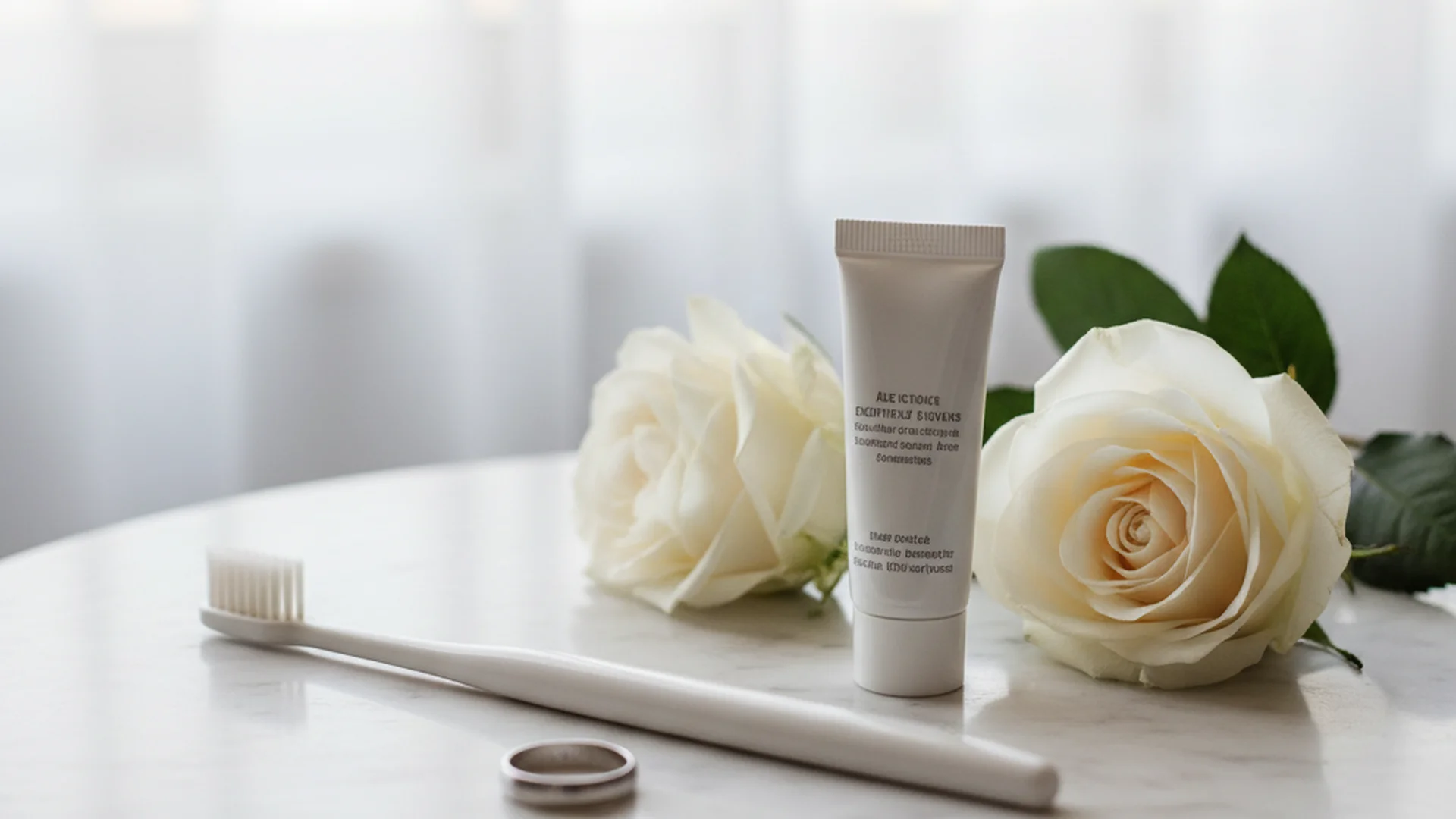
- Start professional treatments at least 4 weeks before the wedding.
- New 2025 technology like Violet-LED and nHAp offers whitening with less sensitivity.
- Coordinate your lipstick shade to enhance the appearance of white teeth.
As an interfaith wedding officiant, I have a front-row seat to one of the most significant moments in a couple's life. Standing at the altar, just inches away from the happy couple, I see the joy, the tears, and—most importantly—the smiles. In the age of high-definition photography and 4K videography, wedding teeth whitening has transitioned from a luxury "extra" to a core component of the bridal beauty journey. Your smile is the centerpiece of your wedding photos, reflecting the radiance and confidence you feel as you say your vows.
With the global teeth whitening market growing rapidly, couples are more invested than ever in achieving that "Hollywood Smile 2.0." Whether you are planning an intimate elopement or a grand gala, understanding your whitening options—and timing them correctly—is essential for a stress-free lead-up to the big day.
Why Wedding Teeth Whitening is a Top Priority
For many couples, the wedding is the first time they will be professionally photographed for an entire day. Many brides report that teeth whitening is a top priority in their bridal beauty timeline, often ranking right alongside hair and makeup trials.
The demand is driven by the desire for a healthy, vibrant glow that looks natural under various lighting conditions. While professional in-office treatments like Zoom! or Laser systems remain the gold standard, the 2025–2026 season is seeing a shift toward more holistic and technologically advanced methods.
Note
Choosing Your Whitening Method: 2025 Trends
As we move into the 2025 and 2026 wedding seasons, the technology behind a bright smile is evolving. It is no longer just about high-concentration peroxide; it’s about enamel health and precision.
In-Office Professional Whitening
Most patients prefer in-office whitening for its speed and dramatic results. Modern systems can brighten teeth by 6 to 8 shades in a single 60–90 minute session.
- Violet-LED Technology: A major trend for 2025 is the shift from blue to violet LED light therapy. Violet light works on a different frequency to neutralize yellow tones more effectively than traditional blue light, often requiring less heat and causing less sensitivity.
- AI Shade-Matching: High-end dental clinics are now using AI-powered cameras to precisely match the "white" of your teeth to the whites of your eyes. This ensures a natural look that doesn't appear "artificial" in your Bridal Makeup Ideas photos.
Custom Take-Home Trays
Some wedding clients opt for custom take-home trays. In 2025, the "boil and bite" kits of the past have been replaced by 3D-scanned, 3D-printed custom trays. These ensure 100% gel contact with the tooth surface while protecting the gums from irritation.
Eco-Ethical and Sensitivity-Free Options
For those with sensitive teeth, 2026 formulas are increasingly using Nano-Hydroxyapatite (nHAp). This ingredient remineralizes the enamel while whitening, essentially repairing the tooth during the process. Additionally, "vegan" and "peroxide-free" options like PAP+ are gaining traction for providing results without the acidic breakdown of enamel.
| Method | Brightening Power | Time Required | Cost Range |
|---|---|---|---|
| In-Office Laser | 6–8 Shades | 60–90 Minutes | $300 – $1,000 |
| Professional Trays | 4–6 Shades | 2–4 Weeks | $150 – $400 |
| Over-the-Counter | 1–3 Shades | 4–8 Weeks | $20–$60 |
The Ideal Wedding Teeth Whitening Timeline
Timing is everything. If you whiten too early, stains can return; if you whiten too late, you may be dealing with tooth sensitivity while trying to enjoy your wedding cake.
6 Months Out: The Consultation
If you have complex stains (such as those from childhood tetracycline use) or if you have old crowns and veneers, start now. Whitening agents do not work on dental restorations. If you want a brighter smile, you may need to replace old fillings or crowns to match your new, whiter shade. Use this time to consult with your dentist as part of your 12 Month Wedding Planning Checklist.
3 Months Out: The "Cleaning First" Rule
Schedule a professional dental cleaning. Plaque and tartar act as a physical barrier to whitening gels. If you whiten over tartar, you may end up with "spotty" or uneven results.
Tip
1 Month Out: Active Whitening
This is the "sweet spot" for most professional treatments.
- In-Office: Schedule this 2–4 weeks before the wedding. This allows any temporary "blotchiness" from tooth dehydration to fade and gives sensitivity time to subside.
- Take-Home Kits: Start these 4–6 weeks out to reach your peak shade gradually.
If you are following a 1 Month Before Wedding Checklist, your whitening should be one of the first tasks you finalize in that final 30-day window.
1 Week Out: Maintenance
Switch to a "White Diet" and use a desensitizing toothpaste to keep your nerves calm for the big day.
From the OurVows workspace
Planning a wedding is a lot. We make it feel like less.
Checklist, budget, guest list, and a wedding website — together in one free workspace built for both of you.
Best Practices for a Radiant Smile
To get the most out of your wedding teeth whitening, you need a strategy that extends beyond the dentist's chair.
The "White Diet"
For 48 to 72 hours post-treatment, your teeth are particularly porous and susceptible to staining. Avoid:
- Red wine and dark beers
- Coffee and black tea
- Soy sauce and balsamic vinegar
- Berries and beets
Do this
The Sensitivity Protocol
Some users experience "zings" or temporary sensitivity. To combat this, use a toothpaste containing potassium nitrate for two weeks leading up to your treatment. This builds a protective barrier for the dental nerves.
Cosmetic Coordination
Your choice of makeup can actually make your teeth look whiter. When looking at DIY Wedding Makeup Tips, look for "blue-based" reds or cool-toned pink lipsticks. These tones provide a color-contrast that neutralizes yellow tints in the teeth. Avoid orange or yellow-based lipsticks, as they can highlight discoloration.
Heads up
Common Mistakes to Avoid
Even the most prepared couples can fall into traps when it comes to wedding teeth whitening.
- The "Day-Before" Whitening: Waiting until the 24 hours before your wedding is a recipe for disaster. You may end up with intense sensitivity that makes it painful to eat or drink, or "blotchy" white spots caused by temporary tooth dehydration.
- Over-Whitening: Aiming for "paper white" teeth often looks unnatural in high-definition photography. Your goal should be to match the whites of your eyes for a healthy, vibrant glow.
- Ignoring Gum Health: Applying high-concentration bleaching gels to inflamed or receding gums can cause chemical burns. Ensure your gums are healthy and follow your dentist's advice strictly.
- Skipping the Trial: Just as you would have a Bridal Hair Trial Tips session, you should "test drive" your whitening sensitivity levels months in advance.
Frequently asked questions
How far in advance should I start teeth whitening?
Does wedding teeth whitening hurt?
Will whitening work on my veneers or crowns?
How much does professional wedding teeth whitening cost?
Can I drink coffee after my whitening treatment?
Conclusion
Your wedding day is a celebration of love, and your smile is the most genuine expression of that joy. By planning your wedding teeth whitening well in advance and utilizing the latest 2025–2026 technologies like Violet-LED and nHAp, you can ensure a radiant, confident look that shines in every photograph.
Remember that the best results come from a combination of professional care, a disciplined "White Diet," and smart cosmetic choices. Whether you opt for a high-tech in-office session or a 3D-printed custom tray system, your bright smile will be a lasting memory of your special day.
Do this
Ready when you are
Ready to Start?
Plan your perfect bridal beauty timeline today.
Ready when you are
Plan your wedding without the chaos.
Free forever for couples just getting started. Two minutes to set up. No credit card.
Keep reading
The Ultimate Guide to Romantic Wedding Hair for 2025–2026
Discover the top romantic wedding hair trends for 2025, including Old Money waves and modern updos. Learn expert tips for healthy, sophisticated bridal hair.
The Ultimate Guide to Wedding Day Hair Tips: 2025-2026 Edition
Discover professional wedding day hair tips for 2025-2026. From "quiet luxury" trends to scheduling and trial advice, get the flawless bridal look you deserve.
The Ultimate Bridal Manicure Guide: 2025 Trends, Timelines, and Expert Tips
Discover the essential bridal manicure guide for 2025. Learn about the latest trends, the perfect prep timeline, and expert tips for picture-perfect wedding hands.