25+ Wedding Pronouncement Wording Examples for 2025 & 2026
Find the perfect wedding pronouncement wording for your ceremony. From traditional to modern and gender-neutral, explore the latest trends and scripts.
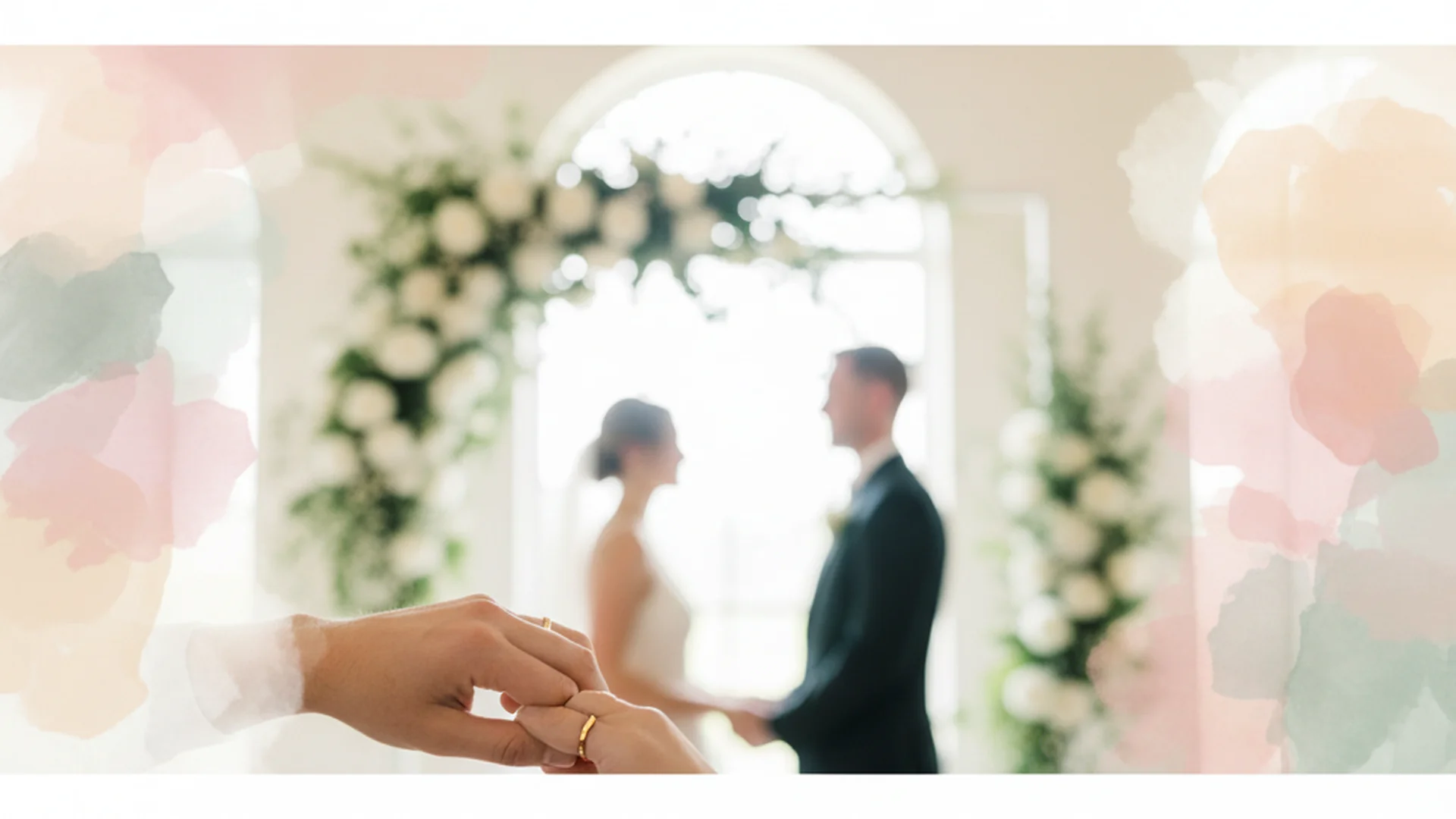
- The pronouncement is the legal and symbolic climax of the wedding ceremony.
- Many couples now use friend-officiants, making clear scripts essential.
- Modern trends favor egalitarian and gender-neutral language over traditional phrases.
The final few seconds of your ceremony are arguably the most memorable. After the rings have been exchanged and the vows have been whispered, all that stands between you and your life as a married couple is the wedding pronouncement wording. This is the definitive moment when your officiant declares your union official to the world. Whether you want something deeply traditional or a modern, high-energy declaration, choosing the right words sets the tone for your grand exit and the celebration to follow.
Understanding the Wedding Pronouncement
The wedding pronouncement is the formal declaration by the officiant that the couple is now legally and symbolically married. While many couples focus heavily on their vows, the pronouncement is the "legal climax" of the event. It transitions the ceremony from a series of promises into a recognized union.
In the United States, while the ceremony can be highly personalized, most jurisdictions require two "legal" elements for the marriage to be recognized: the Declaration of Intent (the "I Do's") and the Pronouncement. While the specific wording isn't always mandated by law, the act of a licensed officiant declaring the marriage is the public face of the legal contract you are signing.
Note
The UK Exception: Mandatory Wording
If you are planning a civil ceremony in the United Kingdom, you should be aware that the flexibility is slightly different. UK civil ceremonies require couples to choose from three specific sets of "contracting words": Traditional, Modern, or Simplified. For example, the traditional wording must include: "I call upon these persons here present to witness that I... do take thee... to be my lawful wedded wife/husband." If you are looking for more flexibility, you might consider a Civil Wedding Ceremony Script that balances these requirements with personal touches.
Pronouncement vs. Presentation: What is the Difference?
It is a common misconception that the pronouncement and the presentation are the same thing. However, they serve two distinct purposes in the Complete Guide to Wedding Ceremonies.
- The Pronouncement: This is the legal declaration. It sounds like: "I now pronounce you married."
- The Presentation: This is the social introduction to your guests. It sounds like: "I present to you, for the first time, Mr. and Mrs. Smith!"
Typically, the sequence follows this order: Pronouncement -> Permission to Kiss -> The Kiss -> Presentation. Understanding this flow helps your photographer capture the "first kiss" at the exact right moment without the officiant standing directly between you and the camera.
Wedding Pronouncement Wording Styles
With many couples now opting for secular, religion-free ceremonies, the demand for creative wording has never been higher. Below are several templates categorized by the "vibe" of your wedding day.
Traditional and Religious
For those hosting a Christian Wedding Ceremony Script or a formal church event, these options remain the gold standard.
- "By the authority vested in me by the State of [State], and in the presence of God and these witnesses, I now pronounce you husband and wife. You may now kiss the bride!"
- "Whom God hath joined together, let no man put asunder. I now pronounce you husband and wife."
Modern Romantic
These scripts focus on the emotional weight of the partnership rather than just the legal authority.
- "By the love that has brought you here today, and the promises you have shared, I now pronounce you married. You may share your first kiss as a married couple."
- "In front of your most cherished friends and family, and by the power of the commitment you’ve made, I declare you joined in marriage."
Gender-Neutral and Inclusive
As inclusive language becomes increasingly common for 2025-2026, many couples are moving away from "husband and wife."
- "In the presence of your family and friends, I now pronounce you partners for life. You may now seal your marriage with a kiss!"
- "By the power of your own words and the love in this room, I now pronounce you legally married and spouses for life."
| Style | Key Phrase Example | Best For |
|---|---|---|
| Traditional | "Husband and Wife" | Religious or Formal |
| Modern | "Married Couple" | Secular/Contemporary |
| Inclusive | "Partners for Life" | LGBTQ+ or Egalitarian |
| Casual | "Officially Married" | Backyard/Elopements |
Tip
Top Trends for 2025-2026 Ceremonies
The "friend-officiant" movement is the biggest trend in the industry. A growing number of couples now choose a friend or family member to officiate. This has led to a shift toward more conversational and "community-focused" pronouncements.
1. The Community Vow
Instead of the ceremony being a one-way dialogue from the officiant to the couple, the "Community Vow" involves the guests. The officiant asks: "Do you, their community, promise to support this marriage and celebrate their love in the years to come?" The "We do!" from the crowd often immediately precedes the final pronouncement, creating a high-energy transition into the party.
2. The Egalitarian Pronouncement
Modern couples are increasingly rejecting the "giving away" of the bride. The egalitarian pronouncement emphasizes equality: "Thomas and Sarah, on this day you vow to honor each other as equals... I now declare you married."
3. "Adventure" Themes for Gen Z
For 2026, "Let the adventure begin" is rapidly replacing "Until death do us part" as the most popular closing sentiment. It reframes marriage from a static state of being into an active, lifelong journey.
4. Introverted "I Do's"
Some couples are choosing to whisper their private vows to each other while music plays, keeping the most intimate words for themselves. Following this, they have a very public, high-energy "Surprise" pronouncement that signals the start of the reception immediately.
Do this
From the OurVows workspace
Shaping your ceremony?
Draft your vows and ceremony, then keep the whole day organized in one place.
Best Practices for a Perfect Pronouncement
If you are a friend officiating a wedding, there are several "pro-level" moves that can make the difference between a good ceremony and a great one.
The "Step Aside" Rule
This is the number one piece of advice from wedding photographers. After you say the pronouncement, but before the kiss, physically step to the side. This ensures that the couple is the sole focus of the "First Kiss" photograph, and your head isn't "growing" out of their shoulders in their favorite wedding photo.
Mic Levels and the Recessional
The pronouncement is the loudest "cheer" moment. You should do a final mic-level check with the DJ or sound technician. Ensure your voice won't be drowned out by the sudden start of the high-energy recessional music. If you're managing your own timeline, check your 1 Month Before Wedding Checklist to ensure sound equipment is finalized.
The "Look at Each Other" Cue
Encourage the couple to face one another and hold hands during the pronouncement. This creates a more intimate "bubble" before they turn to face the crowd for the presentation.
Heads up
Common Mistakes to Avoid
Even seasoned officiants can stumble during the high-pressure final moments. Here are the most common pitfalls to avoid:
- Mispronouncing Names: This is the #1 mistake made by friend-officiants. Write the names phonetically in your script (e.g., STE-fuh-nee and KAY-leb).
- The "Outdated Power" Phrase: Phrases like "You may now kiss the bride" are being phased out. Use "You may now kiss each other" to reflect a more balanced and modern partnership.
- Roasting During the Ceremony: While the reception is the place for laughs and inside jokes, the pronouncement should remain a moment of joy and sanctity. Avoid "roasting" the couple in the final five seconds.
- Skipping the Pronouncement Entirely: In the excitement of the vows, some first-time officiants jump straight to "I present to you..." and forget to actually declare them married. Follow your script closely!
Frequently asked questions
Does the pronouncement itself make the marriage legal?
Do we have to say "Husband and Wife"?
When does the kiss happen?
What if we want a very short ceremony?
How do we handle different last names in the presentation?
Conclusion
The wedding pronouncement is more than just a legal necessity; it is the verbal seal on your new life together. Whether you choose the timeless "husband and wife" or an adventure-themed declaration for 2026, ensure the words resonate with your unique partnership. For officiants, remember the "step aside" rule and always double-check those name pronunciations!
Do this
Ready when you are
Ready to Start?
Craft the perfect vows to lead up to your pronouncement.
Ready when you are
Plan your wedding without the chaos.
Free forever for couples just getting started. Two minutes to set up. No credit card.
Keep reading

Crafting the Perfect Second Marriage Ceremony Script: A Guide to New Beginnings
Planning a remarriage? Discover how to write a Second Marriage Ceremony Script that honors your past while celebrating a beautiful, mature future.
Pew Decorations Wedding: 15 Inspiring Ideas and Trends for 2025-2026
Transform your ceremony aisle with stunning pew decorations wedding ideas. From sustainable florals to 2026 trends, learn how to frame your walk to the altar.
The Ultimate Wedding Processional Order Guide: Traditions and Modern Trends
Master your wedding processional order with our comprehensive guide. From traditional Christian and Jewish lineups to modern LGBTQ+ and 2025 trends.