The Ultimate Wedding Flowers Checklist: A Complete Guide for 2025-2026
Planning your wedding florals? This comprehensive Wedding Flowers Checklist covers everything from bouquets to reception decor, budget tips, and 2026 trends.
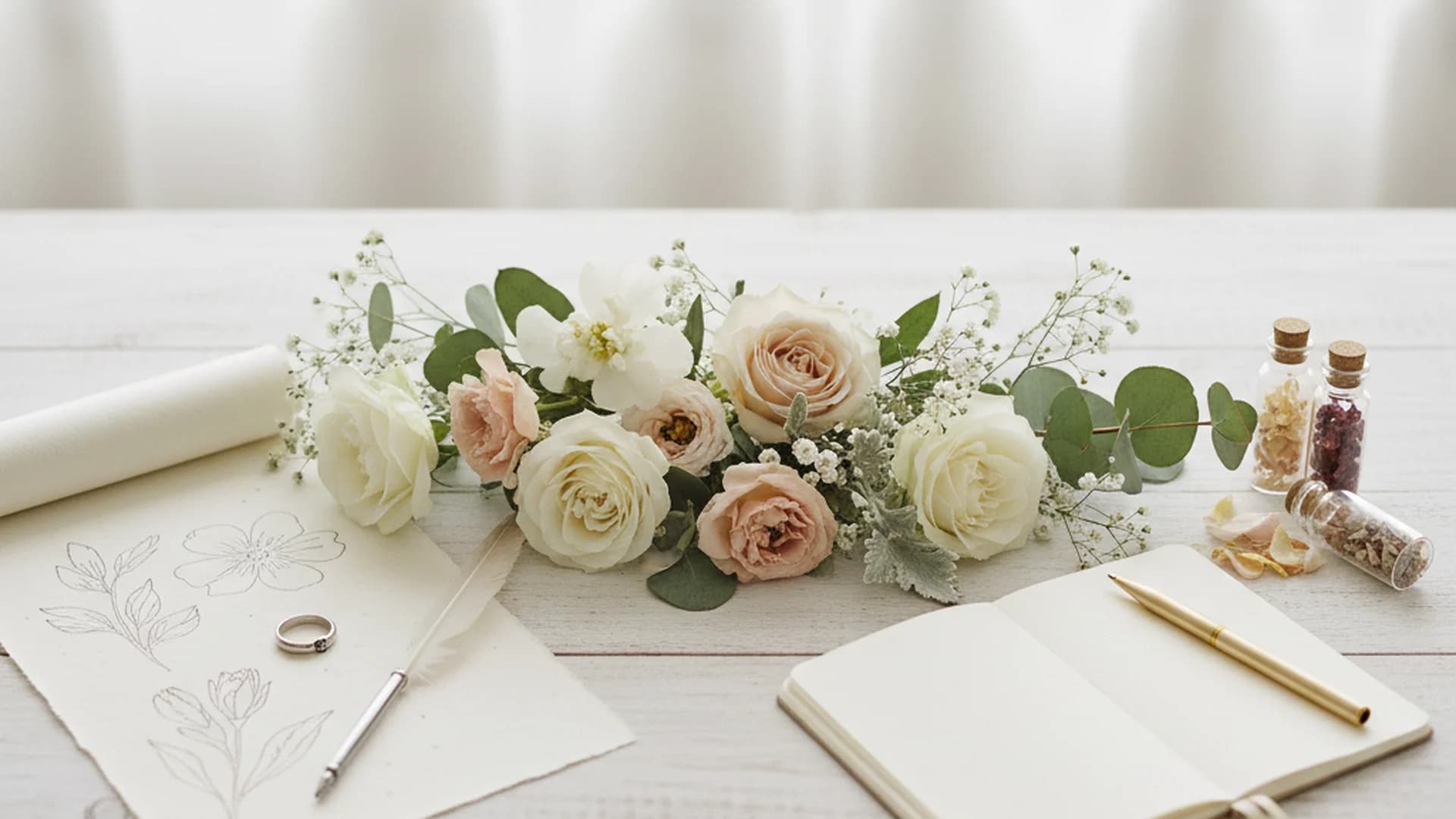
- Flowers should ideally account for 15-20% of your total wedding budget for 2025-2026.
- Repurposing ceremony flowers for the reception is the best way to maximize your investment.
- Book your florist 9-12 months in advance to secure your preferred date and style.
Flowers are the living heartbeat of a wedding. As a relationship counselor, I often tell my couples that the aesthetics of your day should reflect the organic growth of your partnership. However, moving from a Pinterest board to a finalized order can be overwhelming. This Wedding Flowers Checklist is designed to simplify that journey, ensuring no petal is left behind while helping you navigate the shifting floral landscape of the 2025 and 2026 seasons.
Whether you are planning a grand ballroom affair or a minimalist Backyard Wedding Checklist event, understanding the scope of your floral needs is essential for both your budget and your sanity.
Understanding the 2025-2026 Floral Landscape
In previous years, flowers were often viewed as an afterthought, typically accounting for about 8-10% of the total budget. However, for the 2025 and 2026 seasons, we are seeing a significant shift. Couples are now prioritizing high-impact floral installations—think "floral clouds" and "grounded meadows"—which has pushed the average floral investment to 15-20% of the total budget.
Before diving into the checklist, it is helpful to use a Wedding Budget Calculator to see how these numbers align with your overall financial plan.
Tip
Phase 1: Personal Flowers (To Wear or Carry)
Personal flowers are the arrangements that will appear in almost every close-up photograph of the wedding party. These are often the most sentimental pieces of the day.
The Bridal Party Essentials
- Bride’s Bouquet: The "North Star" of your floral design. It sets the tone for every other arrangement.
- Bridal Hair Flowers or Flower Crown: A rising trend for 2025, especially for garden and boho-themed weddings.
- Toss Bouquet: A smaller, simpler version of your main bouquet if you plan on doing a traditional bouquet toss.
- Bridesmaid Bouquets: Usually designed as smaller, complementary versions of the bridal bouquet.
- Flower Girl Petals or Accessories: Consider a floral "hoop" or a small posy instead of a traditional basket for a modern twist.
The Gentlemen and Family
- Groom’s Boutonnière: This should be slightly more intricate than the other boutonnières to distinguish the groom.
- Groomsmen & Usher Boutonnières: Simple, sturdy blooms that can withstand plenty of hugs and movement.
- Family Corsages and Boutonnières: Do not forget the mothers, fathers, and grandparents. These are small tokens of honor that mean a great deal.
- Pet Accessories: If your "Dog of Honor" is joining the ceremony, a floral collar or leash attachment is a must-have for the 2026 wedding season.
Note
Phase 2: Ceremony Decor
The ceremony is the emotional core of your wedding day. The flowers here should frame the couple without distracting from the "I dos."
Framing the Moment
- Entrance Arrangements: Large urns or pedestals that greet guests as they arrive at the venue.
- Altar, Arch, or Chuppah: This is the main focal point. For 2025, "broken arches" (two separate floral pillars) are replacing traditional circular arches.
- Aisle Markers or Pew Ends: Small clusters of flowers or greenery tied to the end of the chairs to define the path.
- Aisle Runner or Ground Meadows: "Grounded meadows"—arrangements that look like they are growing out of the floor—are a major trend for 2026.
- Petal Station: A basket of fresh or dried petals for guests to toss during your grand exit.
Heads up
Phase 3: Reception Decor
The reception is where your guests will spend the majority of their time. This is the best place to showcase your personal style through centerpieces and installations.
Tablescapes and Guest Areas
- Welcome Table & Seating Chart: Small arrangements here tie the entrance into the overall theme.
- Cocktail Table Bud Vases: Minimalist touches that keep the social hour feeling cohesive.
- Guest Table Centerpieces: These can be tall (to fill vertical space in high-ceiling rooms) or low (to facilitate conversation).
- Head Table or Sweetheart Table: This usually features the most lush arrangement of the reception, often using repurposed flowers from the ceremony.
- Bar & Lounge Arrangements: High-traffic areas like the bar are perfect for "pops" of color.
- Cake Flowers: Work with your baker to ensure fresh, food-safe blooms are used to decorate the tiers.
- Powder Room Decor: A small, fragrant arrangement in the restrooms is a luxury touch guests always notice.
Do this
Real-World Floral Benchmarks (2025-2026)
To help you plan your Complete Wedding Planning Checklist Guide, here are the current market rates for individual items:
| Floral Item | Estimated Cost (Standard) | Estimated Cost (Luxury) |
|---|---|---|
| Bridal Bouquet | $150 – $250 | $350+ |
| Bridesmaid Bouquet | $65 – $100 | $150+ |
| Boutonnière | $15 – $20 | $30+ |
| Ceremony Arch | $600 – $1,500 | $5,000+ |
| Reception Centerpiece | $75 – $150 | $400+ |
From the OurVows workspace
Want this checklist working for you, automatically?
Get a personalized timeline that surfaces every task at the right moment — and lets you hand things to your partner.
Top 2025-2026 Floral Trends
If you want your wedding to feel current yet timeless, consider incorporating these emerging trends:
1. Victorian Resurgence (2026 Focus)
We are seeing a return to 18th-century romance. This involves monochromatic bundles of classic flowers like Calla Lilies and Lily of the Valley. It is sleek, sophisticated, and incredibly high-fashion.
2. Fruit + Florals
Incorporating grapes, citrus, or pomegranates into table centerpieces creates a "still-life painting" aesthetic. This works beautifully for vineyard or Italian-inspired weddings.
3. Hanging Installations
"Floral clouds" or suspended garlands over the dance floor continue to dominate. These installations create an immersive "under the canopy" feel that standard centerpieces cannot match.
4. Edible Florals
Using flowers as a garnish for cocktails or frozen into ice cubes is a great way to create a cohesive sensory experience. Imagine a signature gin cocktail garnished with the same dried lavender found in your bouquet.
Common Mistakes to Avoid
In my experience working with couples, floral planning is often where the most "last-minute" stress occurs. Here are the most common pitfalls:
- Ignoring Seasonality: Requesting Peonies in December or Dahlias in April will significantly increase costs and reduce the quality of the blooms. If you have a specific flower in mind, check its peak season first.
- The "DIY is Cheaper" Myth: While DIY Wedding Checklist projects can save money in some areas, flowers are rarely one of them. Professional refrigeration, specialized tools, and the sheer time required to prep stems on the morning of your wedding can lead to immense stress.
- Over-Matching: Trying to match your flowers perfectly to the bridesmaid dress fabric often results in a "flat" look in photos. Instead, use complementary colors or "pops" of contrast.
- Concentrating Decor: Many couples put their entire budget into the bouquet and leave the guest tables bare. It is better to have a cohesive, smaller-scale look throughout the entire venue.
- Booking Too Late: Luxury florists often only take one wedding per weekend. If you wait until four months before your date, you may be settling for your third or fourth choice.
Expert Recommendations for a Stress-Free Experience
1. Trust the Expert Instead of giving your florist a strict list of specific blooms, provide them with a "vibe," a color palette, and a few "must-have" textures. This allows them to source the freshest, highest-quality flowers available on your actual wedding date.
2. Prioritize Fragrance Scent is the strongest link to memory. Incorporate scented blooms like lavender, sweet peas, or garden roses. Every time you smell those flowers in the future, you will be transported back to your wedding day.
3. Scale Matters Choose arrangements that fit the venue's architecture. If you are in a grand ballroom with 20-foot ceilings, tiny bud vases will look "lost." Conversely, in a small, intimate bistro, massive tall arrangements might feel claustrophobic.
Frequently asked questions
When should I start talking to florists?
How can I save money on wedding flowers?
Do I need to provide my own vases?
What are "filler" flowers, and are they bad?
Conclusion
Your wedding flowers are more than just a line item on a budget; they are the visual framework of your celebration. By following this Wedding Flowers Checklist, you can ensure that every detail—from the groom's boutonnière to the guest restroom decor—is handled with intention and style.
As you move forward with your planning, remember that the goal is to create an environment that feels like you. Don't be afraid to break tradition or lean into the bold trends of 2026 if they resonate with your personality.
Do this
Ready when you are
Start Your Planning
Get organized with our interactive tools today.
Ready when you are
Plan your wedding without the chaos.
Free forever for couples just getting started. Two minutes to set up. No credit card.
Keep reading

The Ultimate Guide to Digital Wedding Checklist Tools for 2025-2026
Discover the best digital wedding checklist tools for 2025. Learn how AI, mobile apps, and smart automation are revolutionizing modern wedding planning.
The Ultimate Wedding Checklist App Comparison: Top Picks for 2025–2026
Navigate the digital wedding planning landscape with our expert comparison of the best wedding checklist apps for 2025 and 2026. Find the perfect tool for your big day.
The Ultimate Winter Wedding Checklist: Planning Your 2025-2026 Celebration
Navigate your seasonal celebration with our expert winter wedding checklist. Learn how to save 20-50% on venues and master the logistics of a cozy, cold-weather wedding.