Mastering the Wedding Champagne Toast: The Ultimate Guide for 2025–2026
Navigate the etiquette, traditions, and trends of the wedding champagne toast. From serving math to public speaking tips, master your reception moment.
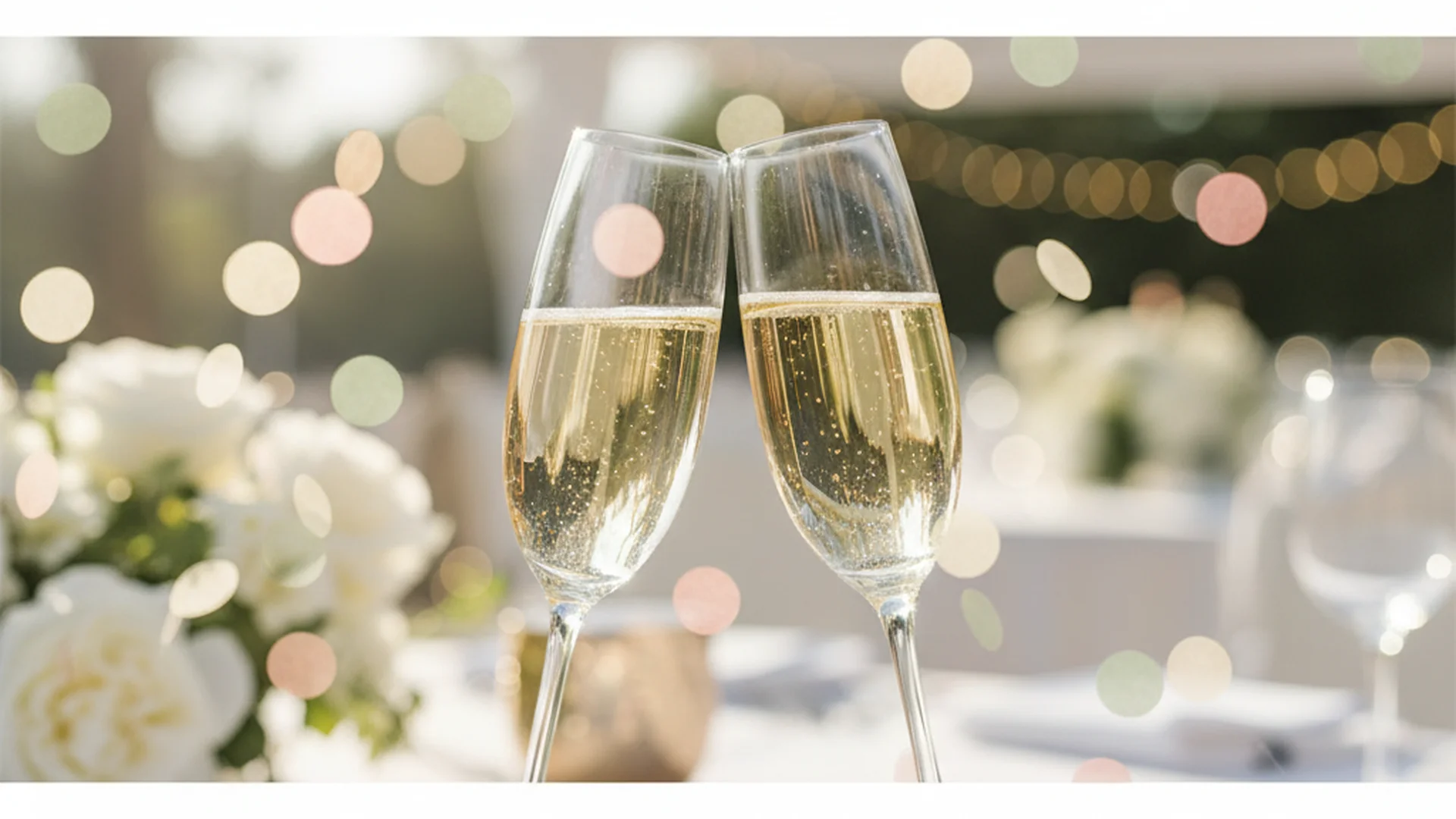
- Calculate 8–10 toast-sized pours per 750ml bottle to minimize waste.
- Follow the traditional order: Hosts/Parents, Best Man, Maid of Honor, then the Couple.
- The couple should remain seated and refrain from drinking while being toasted.
The wedding champagne toast is perhaps the most iconic moment of any reception. It is the bridge between the formalities of the ceremony and the high-energy celebration of the dance floor. As a professional vow ghostwriter and public speaking coach, I have seen how this single moment can transform the atmosphere of a room—either through a heartfelt sentiment that brings guests to tears or a poorly timed "roast" that leaves everyone reaching for their appetizers in awkward silence.
For the 2025 and 2026 wedding seasons, the landscape of the wedding champagne toast is shifting. We are moving away from rigid, wasteful traditions and toward mindful, personalized experiences that prioritize connection over performance. Whether you are the couple planning your big day or a best man battling pre-speech jitters, understanding the nuances of this tradition is essential.
The History and Tradition of the Toast
To understand the modern wedding champagne toast, we must look back at its surprisingly practical origins. The term "toast" actually dates back to 16th-century England. During this time, it was common practice to place a piece of spiced, toasted bread at the bottom of a communal wine jug. The bread served two purposes: it soaked up the acidity of the often-harsh wine and added a hint of flavor to the dregs.
The tradition of clinking glasses has an even more storied (and slightly darker) history. It originated as a "test of trust." To ensure that a host had not poisoned a guest’s drink, glasses were clinked hard enough that liquid would splash from one cup into the other. If the host drank freely after the clink, the guest knew the wine was safe.
Today, we clink for celebration rather than safety, but the weight of the tradition remains. It is a collective moment of unity, where every guest in the room focuses their energy and well-wishes on the newlyweds.
Note
Planning the Pour: Math and Economics
One of the most significant changes for 2025/2026 weddings is the shift toward economic mindfulness. Most couples say the economy has impacted their wedding planning. This has led to a major trend: the end of the "dedicated champagne pour."
Historically, servers would circle the room and fill every guest's glass with champagne specifically for the toast. However, planners have found that a sizable share of that champagne goes to waste as guests who prefer beer, wine, or cocktails only take a mandatory sip.
The Consumption Formula
If you are opting for a dedicated pour, you need to know the math. A standard 750ml bottle of champagne provides 6 full glasses, but for a toast, you only need a 3–4 oz pour.
| Guest Count | Bottles Needed (Toast Pour) | Bottles Needed (Full Glass) |
|---|---|---|
| 50 | 6-7 Bottles | 9 Bottles |
| 100 | 12-15 Bottles | 17 Bottles |
| 150 | 18-20 Bottles | 25 Bottles |
| 200 | 25-30 Bottles | 34 Bottles |
Tip
The Correct Order of Toasts
Timing is everything in complete guide to wedding reception planning. If the toasts happen too early, guests might be hungry; if they happen too late, guests might be too "celebratory" (read: intoxicated) to pay attention.
The traditional order of operations is designed to build momentum:
- The Host/Parents: Usually the father of the bride or the primary hosts. This speech is typically a "welcome" and a thank you to guests for traveling.
- The Best Man: Usually the first of the wedding party. His role is to provide a mix of humor and sincerity regarding the groom.
- The Maid of Honor: She follows the best man, offering a heartfelt perspective on the bride and the couple’s relationship.
- The Couple: A brief, 1–2 minute thank you from the newlyweds to their guests and parents.
Real-World Example: The "Course-Corrected" Timeline
In 2024, a couple I coached decided to split their toasts to keep the energy high. They had the Father of the Bride speak immediately after the grand entrance to "open" the floor. They then saved the Best Man and Maid of Honor for the time between the salad and the main course. This prevented a 20-minute block of sitting and listening, which can often lead to guest fatigue.
Heads up
The Art of the Speech: Expert Tips
Public speaking is the number one source of anxiety for wedding party members. The vast majority of best men report significant nerves before their speech. As a coach, my biggest piece of advice is to prioritize the "3-Minute Rule."
The 3-Minute Rule
A toast is not a keynote address. The sweet spot for a wedding toast is between 2 and 3 minutes. Anything under 60 seconds feels rushed, while anything over 5 minutes risks losing the room's attention entirely.
Preparation and Delivery
- Ditch the Phone: While it’s tempting to read from your Notes app, the screen glare looks terrible in professional photography. Use physical index cards.
- Stay Sober-ish: Avoid the "liquid courage" trap. Have one drink to take the edge off, but save the heavy celebrating for after you’ve put the microphone down.
- Posture and Grip: Stand up straight and hold the glass by the stem. Holding the bowl of the glass warms the champagne, which can ruin the flavor profile.
Do this
From the OurVows workspace
Planning the reception?
Build the timeline, work out the bar, and seat every guest — without the spreadsheet chaos.
Modern Trends for 2025 and 2026
The "Wedding of Vibe" is the theme for upcoming seasons. Couples are prioritizing atmospheric experiences over traditional decor.
Champagne Towers vs. Walls
While champagne walls (where guests grab a glass from a vertical display) were popular in the early 2020s, they are officially "out" for 2026. This is because the drinks often sit for too long, becoming flat and lukewarm. In their place, Champagne Towers are seeing a massive revival. They offer a theatrical, "Old Hollywood" photo opportunity that guests love to film for social media.
The Wellness Revolution
Mindful drinking is on the rise. We are seeing more "Zero Proof" toasts featuring high-end non-alcoholic sparkling wines. This ensures that sober guests, pregnant friends, and children can all participate in the ritual without feeling like an afterthought.
AI Assistance
A growing number of couples are comfortable with guests using AI to draft toasts. If you’re struggling with writer's block, using a tool like a wedding vow writer can help you structure your thoughts, though you should always add personal anecdotes to make it your own.
Common Mistakes to Avoid
In my years of coaching, I have seen the same mistakes repeated. Avoiding these will elevate your wedding champagne toast from "fine" to "unforgettable."
- The "Roast" Mistake: A wedding is not a Comedy Central special. While a little gentle teasing is fine, avoid "inside jokes" that 90% of the room won't understand. If you have to say, "I guess you had to be there," the joke failed.
- Mentioning the "Ex": This should go without saying, but never reference past relationships. It creates instant tension and is a major breach of etiquette.
- The "Wing It" Trap: Even the most confident speakers should have notes. Nerves, adrenaline, and a few sips of prosecco can make even the best storytellers lose their way.
- Drinking During Your Own Toast: If you are the one being toasted (the couple), do not drink while the speaker is talking. Wait until they raise their glass to you, then stand (if you were seated) and take a sip.
Heads up
Frequently asked questions
Do we have to use champagne for the toast?
What is the ideal temperature for serving champagne?
Should the couple stand up during the toasts?
How do we handle toasts at a buffet-style wedding?
How many bottles should I buy for 100 guests?
Conclusion: Making the Moment Count
The wedding champagne toast is more than just a drink; it is a moment of collective recognition. Whether you choose a theatrical champagne tower or a quiet, "drink in hand" acknowledgement, the goal is the same: to pause the whirlwind of the day and focus on the love that brought everyone together.
By following the 3-minute rule, respecting the order of operations, and choosing quality over quantity, you can ensure that this tradition remains a highlight of your celebration. Remember, the best toasts aren't the ones that are perfectly performed, but the ones that are perfectly sincere.
Do this
Ready when you are
Ready to Write Your Toast?
Use our expert tools to craft a speech they'll never forget.
Ready when you are
Plan your wedding without the chaos.
Free forever for couples just getting started. Two minutes to set up. No credit card.
Keep reading
Mastering the Wedding Reception Order of Events: A 2025–2026 Guide
Plan the perfect wedding reception order of events with our expert guide. Explore modern timelines, 2025-2026 trends, and tips for a seamless celebration.
The Ultimate Guide to Wedding Ceremony Songs: Orchestrating Your Perfect Moment
Planning your 2025-2026 wedding? Discover the best wedding ceremony songs, from cinematic scores to modern pop covers, plus expert tips for timing and transitions.
The Ultimate Guide to Wedding Processional Songs for 2025 & 2026
Discover the perfect wedding processional songs for your big day. From classical masterpieces to modern Taylor Swift hits, learn how to time your walk perfectly.