The Ultimate Guide to Wedding Ceremony Songs: Orchestrating Your Perfect Moment
Planning your 2025-2026 wedding? Discover the best wedding ceremony songs, from cinematic scores to modern pop covers, plus expert tips for timing and transitions.
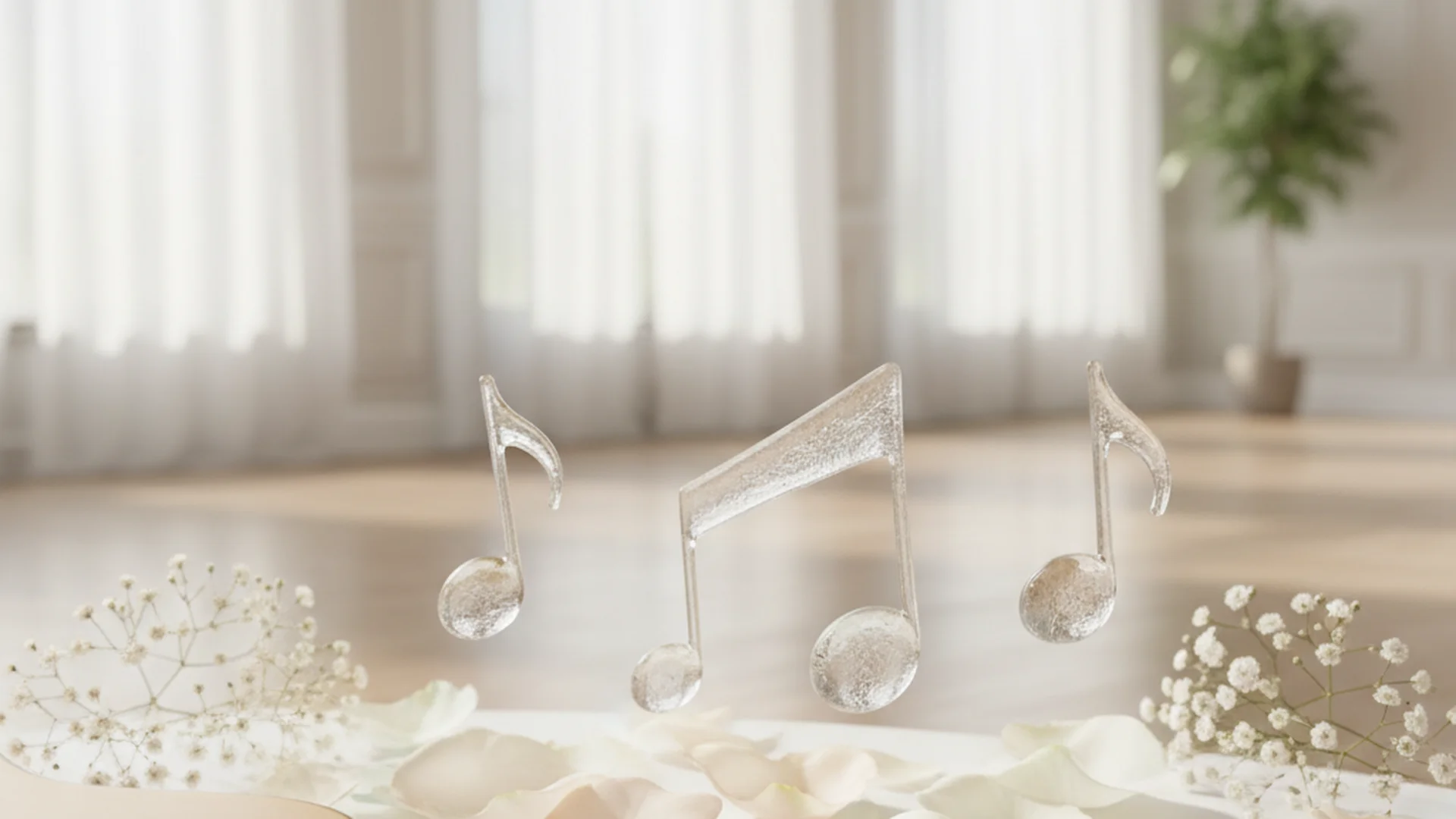
- A standard ceremony requires music for four distinct phases: Prelude, Processional, Interlude, and Recessional.
- Modern trends are leaning toward "cinematic" orchestral scores and pop songs reimagined as classical string pieces.
- Timing is everything—aim for a 2-minute walking pace for your grand entrance and high-energy music for your exit.
Music is the invisible architecture of your wedding day. It sets the emotional tone before a single word is spoken and carries the energy long after the last guest has left. When choosing your wedding ceremony songs, you aren't just picking background noise; you are selecting the soundtrack to the most pivotal moments of your life. Whether you dream of a traditional walk down the aisle to a string quartet or a high-energy exit to a 90s power ballad, your choices should reflect your unique personality as a couple.
In the 2025-2026 season, we are seeing a massive shift toward "cinematic" experiences, where couples prioritize the "emotional journey" of their guests. From the "Ed Sheeran Effect" to the rise of bespoke songwriting, navigating the world of ceremony music requires a blend of logistical planning and creative flair.
The Four Phases of Ceremony Music
Most couples realize they need a song to walk down the aisle, but a truly professional ceremony involves four distinct musical "chapters." Failing to plan for these transitions is one of the most common oversights in wedding planning.
1. The Prelude: Setting the Atmosphere
The prelude music plays as your guests arrive and find their seats. This usually lasts 20 to 30 minutes. The goal here is to mask the sound of shuffling feet and whispered greetings while establishing the "vibe" of the day.
Tip
2. The Processional: The Grand Entrance
This is the big one. Usually, this is split into two parts: one song for the wedding party (bridesmaids, groomsmen, flower girls) and a second, more impactful song for the bridal entrance. If you are looking for inspiration for the rest of your day, you might also want to check out our Wedding DJ Song List for later festivities.
3. The Interlude: The Signing of the Register
Often forgotten, the interlude occurs during the signing of the legal documents or during a unity ceremony (like lighting a candle or pouring sand). This process takes longer than you think—usually 5 to 8 minutes.
Heads up
4. The Recessional: The Celebration
The moment the officiant says, "I now pronounce you..." the energy needs to skyrocket. This is your "just married" anthem. Unlike the processional, which should be steady and rhythmic, the recessional should be high-tempo and celebratory.
| Ceremony Phase | Recommended Tempo | Duration | Vibe |
|---|---|---|---|
| Prelude | Mid-tempo/Soft | 20-30 min | Welcoming |
| Processional | Slow/Stately | 2-4 min | Emotional |
| Interlude | Low/Ambient | 5-8 min | Reflective |
| Recessional | Fast/Upbeat | 3-5 min | Joyous |
Top Trends for 2025 and 2026
As we look toward the upcoming wedding seasons, several key trends are emerging that move away from the "standard" wedding marches of the past.
The "Bridges of Bridgerton" Influence
The trend of taking modern pop hits and reimagining them as classical string quartet arrangements shows no signs of slowing down. Couples are choosing artists like Taylor Swift, Olivia Rodrigo, and Chappell Roan, but having them performed by violinists or cellists. This allows you to have "your" song while maintaining the formal gravity of a wedding ceremony.
Cinematic Scores and Orchestral Weight
Couples are increasingly looking to Hollywood for their wedding ceremony songs. Scores from films like Interstellar (Hans Zimmer), About Time, or even the dramatic themes from Succession are being used to create a "movie-like" emotional weight. These tracks are designed to pull at the heartstrings and create a sense of scale.
Retro-Nostalgia and Power Ballads
There is a revival of 80s and 90s power ballads, but with a twist. Instead of the original synth-heavy recordings, couples are hiring acoustic soloists to perform stripped-back versions of Whitney Houston or George Michael hits. This "retro-acoustic" style feels both nostalgic and fresh.
Note
Best Practices for Choosing Your Music
Choosing the right track is about more than just liking the melody. You have to consider the logistics of the walk and the acoustics of the space.
The 2-Minute Rule
Even if your aisle is only 20 feet long, you should aim for your processional music to establish the mood for at least 2 minutes. This gives your photographer time to get the "shot," gives your guests time to settle their attention on you, and prevents the moment from feeling rushed.
The Lyric Background Check
This is the "Creative Director" in me speaking: Read the full lyrics of your chosen song. Many songs that sound romantic are actually about stalking, breakups, or unrequited love.
- “Every Breath You Take” by The Police is about a stalker.
- “I Will Always Love You” is a breakup song.
- “Perfect” by Ed Sheeran is a safe bet (it’s the #1 requested song for a reason), but if you go off the beaten path, do your homework!
Matching Your Venue to Your Instruments
Your environment dictates how sound travels.
- Cathedrals/Churches: These spaces have high ceilings and natural reverb. Warm instruments like the cello, organ, or a full choir sound majestic here.
- Outdoor/Garden Settings: Wind and open space can "eat" sound. Acoustic guitars, harps, or amplified violins are better choices as they cut through the background noise of nature.
Do this
From the OurVows workspace
Planning the reception?
Build the timeline, work out the bar, and seat every guest — without the spreadsheet chaos.
Common Mistakes to Avoid
Even the most well-planned weddings can hit a sour note if the music isn't handled correctly. Here are the most frequent blunders I see in my role as a wedding humor consultant:
1. The "Silent Ceremony" Start
As mentioned earlier, do not let guests sit in silence. It makes people whisper, it feels awkward, and it heightens the "nerves" in the room. Always have a 30-minute prelude list.
2. Choosing a Slow Recessional
You’ve just kissed! The crowd is cheering! Don't kill that high with a slow, mournful ballad. You want something with "kick." Think Stevie Wonder’s "Signed, Sealed, Delivered" or Natalie Cole’s "This Will Be (An Everlasting Love)." If you're planning the rest of your party music, check out our Wedding First Dance Songs for that next big musical transition.
3. Ignoring the Transitions
If your musician stops abruptly when you reach the altar, it creates a "jolt" in the energy. Work with your performers or DJ to ensure they know how to fade the music out gracefully once you’ve taken your partner’s hand.
4. Overlooking the Technical Setup
If you are using a DJ or a digital playlist, ensure there is a high-quality sound system. A phone plugged into a tiny Bluetooth speaker at the front of a 100-person ceremony will result in a "tinny" sound that fails to reach the back rows.
Frequently asked questions
How many songs do I actually need for my ceremony?
- Prelude: 8-10 background songs.
- Processional: 1-2 songs (one for the party, one for the grand entrance).
- Signing/Interlude: 2 songs (to be safe).
- Recessional: 1 high-energy exit song.
Should I use the same song for the bridal party and my entrance?
Modern trends favor separate songs. A distinct musical shift—such as a "crescendo" in the music or a change from strings to a piano melody—signals the "Grand Entrance" to your guests. It creates a much more impactful "wow" moment than using the same loop for five minutes.
Can I use songs with lyrics during the ceremony?
Yes, but with caution. Instrumental versions are generally recommended for the processional because lyrics can sometimes distract from the visual moment of the entrance. However, vocals are highly effective and welcome for the Recessional when the mood shifts from solemn to celebratory.
What if my favorite song is too fast for walking?
Don't abandon the song! Live musicians (violinists, pianists, or acoustic guitarists) can "ballad-ize" almost any track. They can slow the tempo to match a natural, stately walking pace. If you are using a digital track, a DJ can often find a "slowed and reverb" version or an acoustic cover that fits the tempo you need.
Conclusion
Your wedding ceremony songs are the heartbeat of your "I Do's." They provide the emotional cues that tell your guests when to hold their breath and when to cheer. By balancing the timeless classics with the cinematic trends of the 2025-2026 season—and avoiding the common pitfalls of "silent starts" and "lyrical mishaps"—you can ensure your ceremony is as beautiful to hear as it is to see.
Remember, whether you are spending $1,200 on a DJ or $15,000 on a full orchestral ensemble, the most important thing is that the music feels like you. If you're still in the early stages of planning your timeline, don't forget to look at our 12 Month Wedding Planning Checklist to keep your music selection on track.
Do this
Ready when you are
Ready to Plan Your Music?
Start building your perfect wedding soundtrack with our planning tools.
Ready when you are
Plan your wedding without the chaos.
Free forever for couples just getting started. Two minutes to set up. No credit card.
Keep reading
Mastering the Wedding Reception Order of Events: A 2025–2026 Guide
Plan the perfect wedding reception order of events with our expert guide. Explore modern timelines, 2025-2026 trends, and tips for a seamless celebration.
The Ultimate Guide to Wedding Processional Songs for 2025 & 2026
Discover the perfect wedding processional songs for your big day. From classical masterpieces to modern Taylor Swift hits, learn how to time your walk perfectly.
The Ultimate Guide to Wedding Reception Songs (2025-2026 Trends)
From classic floor-fillers to 2026's viral hits, discover the ultimate guide to wedding reception songs. Master your playlist with expert tips and trends.