Mastering Your Wedding Budget by Category: The Ultimate 2025–2026 Guide
Navigate your 2025-2026 wedding planning with our comprehensive wedding budget by category guide. Learn current costs, hidden fees, and expert saving tips.
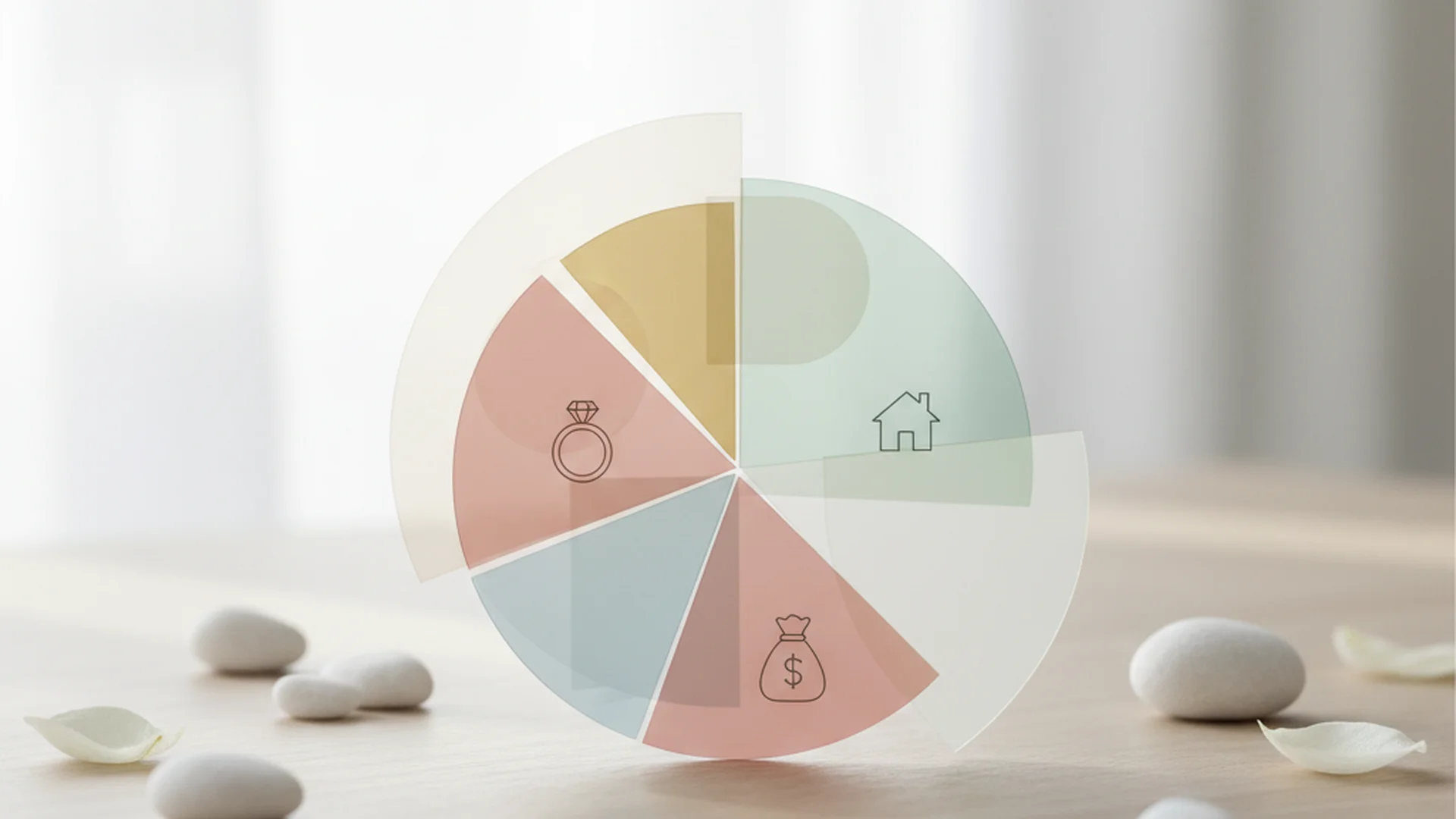
- The average US wedding cost in 2025 is projected at $36,000.
- Venue and catering should consume no more than 35-50% of your total spend.
- Prioritize the "Big Three": Food, Photography, and Entertainment for the best guest experience.
Congratulations! You’re engaged. You’ve probably already spent several hours staring at your ring, three days debating whether your third cousin twice-removed deserves an invite, and approximately five minutes realizing that weddings are, in fact, quite expensive. Navigating your Wedding Budget by Category is the single most important step in moving from "dreaming" to "doing" without accidentally selling a kidney to afford the premium peonies.
As we look toward the 2025 and 2026 seasons, the wedding landscape is shifting. We are seeing a move away from "micro" everything and a return to the grand celebration, but with a sharper focus on the "guest experience." Whether you are planning a black-tie gala in Manhattan or a bohemian bash in the Midwest, understanding where your money goes—and why—is the key to a stress-free walk down the aisle.
The High-Level Breakdown: Where the Money Goes
Before we dive into the nitty-gritty details, let’s look at the broad strokes. In 2025, inflation has stabilized, but service costs remain high due to labor demands and the "experience economy." Most planners recommend a percentage-based approach to ensure you don't overspend in one area only to realize you can only afford to serve saltines and tap water at the reception.
| Category | Percentage of Total Budget | Estimated Cost ($36,000 Budget) |
|---|---|---|
| Venue & Catering (Food/Drinks) | 35% – 50% | $12,600 – $18,000 |
| Photography & Videography | 10% – 15% | $3,600 – $5,400 |
| Planning & Coordination | 8% – 12% | $2,880 – $4,320 |
| Flowers & Decor | 8% – 10% | $2,880 – $3,600 |
| Attire & Beauty | 5% – 10% | $1,800 – $3,600 |
| Music & Entertainment | 5% – 10% | $1,800 – $3,600 |
| Stationery & Gifts | 2% – 5% | $720 – $1,800 |
| Contingency Fund | 5% – 10% | $1,800 – $3,600 |
Note
Deep Dive: The Major Categories
Venue and Catering: The Heavyweights
This is consistently the largest slice of the pie. In the 2025–2026 cycle, couples are prioritizing high-quality dining. Think interactive food stations, farm-to-table menus, and signature cocktails that actually taste like something.
The "35% Rule" is a vital benchmark here. If your venue and catering exceed 50%, you will feel the squeeze in every other category. Remember that "Venue" often includes more than just the space—it's the tables, chairs, linens, and the staff who make sure your uncle doesn't try to start a campfire in the middle of the ballroom.
Tip
Photography and Videography: The Legacy
You’ll eat the cake, the flowers will wilt, and your shoes will eventually end up in a box under the bed. The photos and videos are what remain. Experts recommend allocating 10-15% here. In 2025, there is a massive trend toward "Content Creators"—specialists who capture vertical, social-media-ready video on iPhones in addition to the traditional professional photographer.
Heads up
Music and Entertainment: The Vibe
Whether it’s a soulful 10-piece band or a high-energy DJ with a light show, entertainment defines the energy of your reception. This category usually sits at 5-10%. If you want that "concert" feel, you might push toward the higher end of that range.
Real-World Budgeting Examples
To see how these numbers play out in the wild, let's look at three distinct scenarios based on current 2025 data.
Example 1: The High-End Metropolitan Wedding
- Location: Washington D.C.
- Total Spend: $70,000
- Guest Count: 120
- The Strategy: This couple prioritized a historic venue and a full open bar. To stay within $70k in a high-cost area, they used digital Save-the-Dates and opted for a "minimalist lush" floral design that reused ceremony flowers for the reception.
Example 2: The Midwest Modern Celebration
- Location: Nebraska
- Total Spend: $18,000
- Guest Count: 80
- The Strategy: By keeping the guest count under 100, they stayed well below the national average. They utilized a local brewery as a venue (lower rental fee) and spent a higher percentage (15%) on a top-tier photographer to capture the aesthetic.
Example 3: The Digital-Savvy "Smarter" Budget
- Location: Suburban Georgia
- Total Spend: $25,000
- Guest Count: 100
- The Strategy: This couple used our Wedding Budget Spreadsheet Template to track every cent. They saved $1,500 by using QR codes for RSVPs and AI tools to help draft their ceremony script, allowing them to splurge on a late-night taco truck for guests.
From the OurVows workspace
Mapping out your budget?
Set category targets, log every payment, and see exactly where you stand — no spreadsheet required.
New Trends for 2025 and 2026
The wedding industry doesn't stand still. If you’re budgeting now for a 2026 date, keep these emerging trends in mind:
Wedding Weekends
The one-day wedding is evolving into a three-day experience. This often includes welcome drinks on Friday, the wedding on Saturday, and a farewell brunch on Sunday. If you're going this route, you need a separate "Experience Budget." While you aren't always expected to pay for every guest's meal for three days, the logistical costs add up.
AI-Integrated Planning
A growing number of couples are now using AI for budget drafting and floor plan creation. Utilizing a (Marketing) - Tools - Wedding Budget Calculator can save you hours of manual math and help you visualize your Wedding Budget by Category instantly.
Sustainability and Transparency
Gen Z and Millennials are demanding to know where their money is going. This has led to a rise in "Transparent Pricing" among vendors. If a vendor is "gatekeeping" their prices or refusing to provide a clear contract, it's a red flag.
Do this
Common Mistakes to Avoid
Even the most organized couples can fall into these budgeting traps:
- The "Backyard Wedding" Trap: Many assume a backyard wedding is a budget-saver. In reality, once you factor in the cost of a high-quality tent (with flooring), portable luxury restrooms, generators, and catering rentals, you often spend more than you would at a traditional venue.
- Forgetting the "Hidden" Fees: Your $150-per-head catering quote isn't the final price. Once you add a 22% service charge and 8% sales tax, that $150 becomes $195. Always calculate the "plus-plus" (service and tax) early on.
- The Guest Count Creep: Every guest you add is a "per-person" cost. Adding 10 people doesn't just mean 10 more meals; it's another table, 10 more chairs, another centerpiece, and a larger cake. At an average of $284 per guest, those 10 people just cost you $2,840.
Heads up
Frequently asked questions
Can I still plan a wedding for under $20,000?
Should I include the honeymoon in my wedding budget?
When should I start budgeting?
What is the "Wedding Tax"?
Conclusion: Balancing the Books and the Bliss
Planning your Wedding Budget by Category is less about restricting your joy and more about empowering your choices. By understanding the standard percentages and current 2025–2026 trends, you can allocate your funds to the things that truly matter to you—whether that’s a world-class photographer, a floral installation that would make a botanist weep, or just a really, really great open bar.
Remember to keep a 5-10% contingency fund for those inevitable "oh no" moments, and don't be afraid to use technology to your advantage. For a more detailed look at specific price points, check out our $25000 Wedding Budget Breakdown to see how to make every dollar count.
Do this
Ready when you are
Ready to Start?
Take control of your planning today with our professional tools.
Ready when you are
Plan your wedding without the chaos.
Free forever for couples just getting started. Two minutes to set up. No credit card.
Keep reading

$40,000 Wedding Budget Breakdown: A 2025-2026 Planning Guide
Discover how to allocate a $40,000 wedding budget in 2025-2026. Get expert breakdowns, real-world examples, and tips for a high-quality guest experience.

The Ultimate Wedding Budget for 150 Guests: 2025-2026 Planning Guide
Planning a wedding for 150? Discover the real costs, hidden fees, and expert tips for managing a wedding budget for 150 guests in the 2025-2026 season.

Mastering Your Wedding Budget Priorities: A Guide for 2025–2026
Navigate 2025–2026 wedding costs with expert advice on wedding budget priorities, hidden fees, and modern trends like AI and experiential spending.