The Ultimate Wedding Attire Checklist: Dress Codes, Timelines, and 2026 Trends
Navigate your wedding wardrobe with ease. Our Wedding Attire Checklist covers timelines, budget tips, and 2025-2026 trends for couples and guests.
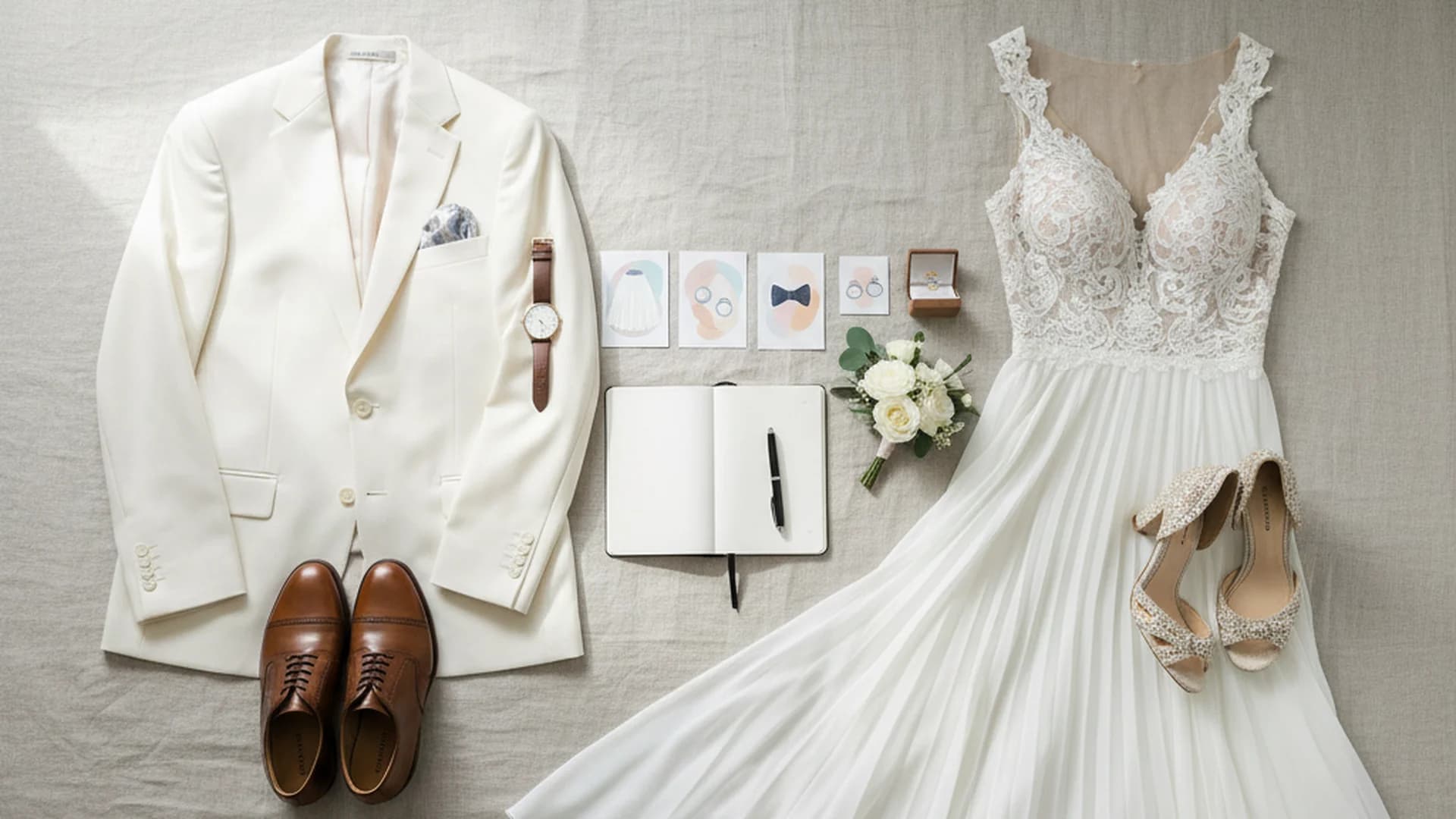
- Start your attire search 12 months in advance to accommodate lead times.
- Allocate approximately 10% of your total budget to attire and alterations.
- 2026 trends favor Regency-inspired aesthetics and jewel-toned suits.
Finding the perfect outfit for a wedding is often a delicate dance between high fashion and logistical reality. Whether you are the one walking down the aisle or a guest trying to decode a "Mountain-Chic Formal" dress code, having a comprehensive Wedding Attire Checklist is the only way to ensure you don't end up with a wardrobe malfunction—or worse, a suit that feels like a medieval torture device. In this guide, we will break down everything from the 12-month shopping timeline to the specific fashion trends dominating the 2025-2026 seasons.
The Ultimate Attire Timeline: When to Buy and Why
One of the most common mistakes couples make is assuming they can walk into a boutique and leave with a gown or suit the same day. Most high-end bridal and formal wear is made-to-order, meaning a sewing machine doesn't even hum until your deposit is paid. To stay ahead of the curve, follow this professional timeline.
12 to 9 Months Before the Big Day
This is the "dreaming" phase. Start by researching styles on Pinterest and setting a hard budget. Remember that your attire budget should include not just the garment, but also the veil, shoes, undergarments, and those inevitable (and expensive) alterations.
- 12 Months Out: Research styles and book appointments.
- 10 Months Out: Purchase the gown or suit. Designer pieces often take 6–8 months to ship from the manufacturer.
6 Months to 8 Weeks Out
Once your main garment is secured, it is time to focus on the supporting cast. This includes the wedding party and your specific accessories.
- 6 Months Out: Order bridesmaid dresses and groomsmen suits. At this stage, you should also have your shoes selected. You cannot have a hemline fitting without the exact height of your wedding day footwear.
- 3 Months Out: The first fitting. This is where the magic happens—and where you must bring your actual wedding-day shapewear.
Heads up
2025-2026 Bridal Trends: What’s In?
If you want to stay ahead of the fashion curve, you need to look at what is hitting the runways for 2026. We are seeing a move away from minimalist "clean girl" aesthetics toward something much more dramatic and historical. For more detailed bridal prep, check out our Bride Wedding Checklist.
The "Bridgerton" Effect and Regency Core
The influence of period dramas is stronger than ever. Expect to see heavy lace, square necklines, and corset-style bodices. Specifically, "Basque" or drop waists—which feature a V-shaped seam that elongates the torso—have surged in popularity for the upcoming season.
The Rise of the Second Look
A growing number of couples are now budgeting for "transitional" attire. This refers to a second, often shorter, outfit for the reception.
- Example 1: A bride wearing a heavy Mikado silk ballgown for the ceremony, then switching into a feathered mini-dress or a sleek bridal jumpsuit for the dance floor.
- Example 2: A groom swapping a traditional tuxedo jacket for a custom velvet "smoking jacket" once the cake is cut.
Do this
Groom and Groomsmen: Beyond the Basic Black Tux
The modern groom is no longer satisfied with being a "prop" in a black suit. Tailoring and color are the primary focus for 2025 and 2026. If you're helping organize the guys, our Best Man Checklist can help keep the group on track.
Jewel Tones and Texture
Deep emerald green, burgundy, and sapphire blue are the new neutrals. Velvet is also making a massive comeback for evening weddings. These textures add depth to photography that a standard flat-weave wool simply cannot match.
Oversized and Relaxed Tailoring
In a shift away from the "ultra-slim" fit of the last decade, high-fashion silhouettes are becoming slouchier and more relaxed. Think tonal palettes (beige on beige, grey on grey) with wider trousers and unstructured blazers.
Note
Guest Attire Etiquette: Decoding the Invite
As a guest, your job is to look your best without drawing attention away from the couple. With guests often spending a few hundred dollars per wedding, you want to make sure your investment is appropriate.
Can You Wear Black?
Modern Answer: Yes! Black is now considered a chic, universal neutral for evening and formal weddings. However, avoid black for morning, garden, or beach weddings, where it can look overly somber.
The "White-ish" Rule
Rule of Thumb: If the base color of your dress is white, cream, or ivory, and it could potentially be mistaken for a bridal gown from 50 feet away, do not wear it. Even if it has a floral pattern, if the background is white, it is usually better to choose another color.
| Dress Code | Men’s Attire | Women’s Attire |
|---|---|---|
| Black Tie | Tuxedo, black bow tie, cummerbund | Floor-length evening gown |
| Black-Tie Optional | Tuxedo OR dark formal suit | Floor-length gown or elevated cocktail dress |
| Semi-Formal | Suit and tie (dark or light depending on time) | Midi-dress, chic jumpsuit, or cocktail dress |
| Casual | Chinos and a button-down (no tie required) | Sundress or dressy separates |
Tip
From the OurVows workspace
Want this checklist working for you, automatically?
Get a personalized timeline that surfaces every task at the right moment — and lets you hand things to your partner.
Common Mistakes to Avoid
Even with a perfect Wedding Attire Checklist, things can go sideways if you ignore the environment or the logistics of the day.
1. Ignoring the Venue Terrain
Real-World Example: A guest wears 5-inch stilettos to a "Backyard Garden" wedding. Within ten minutes, she is aerating the lawn with her heels and eventually has to spend the night barefoot. Always check the venue. If there is grass or sand, opt for a block heel or a wedge. For more on planning these types of events, see our Backyard Wedding Checklist.
2. Underestimating Alterations
Many people budget for the price of the dress but forget that alterations can cost between $300 and $800. A gown that fits perfectly in the bust but is two inches too long will result in you tripping during your first dance.
3. Forgetting the "Foundation"
The wrong underwear can ruin the lines of a $5,000 dress. Visible panty lines (VPL) and bra straps are the enemies of wedding photography. Purchase your shapewear early and wear it to every single fitting.
Heads up
The Final Countdown: 2-3 Weeks Before
As you approach the finish line, use our 1 Month Before Wedding Checklist to stay organized. For attire specifically, the final 14 days are about "the pick-up" and "the pack."
- The Final Fitting: This should take place 2-3 weeks out. Your weight may have fluctuated due to stress, so this is the time for those tiny, last-minute adjustments.
- The Emergency Kit: Every couple should have a small bag containing fashion tape, safety pins, a Tide pen, and extra earring backs.
Frequently asked questions
What does "Black-Tie Optional" actually mean?
Is it okay to wear a jumpsuit to a formal wedding?
How much should I spend on a wedding dress?
When should I buy my wedding shoes?
Conclusion
A wedding is a marathon of style, and preparation is your best accessory. By following a structured Wedding Attire Checklist, you can avoid the stress of last-minute alterations and the embarrassment of a dress-code faux pas. Remember to honor the venue, respect the timeline, and most importantly, choose fabrics and fits that allow you to actually enjoy the day. For a more comprehensive look at your entire journey, check out our Complete Wedding Planning Checklist Guide.
Do this
Ready when you are
Ready to Start?
Use our automated tools to build your personalized attire schedule today.
Ready when you are
Plan your wedding without the chaos.
Free forever for couples just getting started. Two minutes to set up. No credit card.
Keep reading

The Ultimate Guide to Digital Wedding Checklist Tools for 2025-2026
Discover the best digital wedding checklist tools for 2025. Learn how AI, mobile apps, and smart automation are revolutionizing modern wedding planning.

The Ultimate Wedding Checklist App Comparison: Top Picks for 2025–2026
Navigate the digital wedding planning landscape with our expert comparison of the best wedding checklist apps for 2025 and 2026. Find the perfect tool for your big day.
The Ultimate Winter Wedding Checklist: Planning Your 2025-2026 Celebration
Navigate your seasonal celebration with our expert winter wedding checklist. Learn how to save 20-50% on venues and master the logistics of a cozy, cold-weather wedding.