The Ultimate Guide to a Vintage Wedding Theme: A Timeless Celebration
Discover how to plan a perfect Vintage Wedding Theme. From 1920s glamour to 90s minimalism, learn to blend history, sustainability, and personal storytelling.
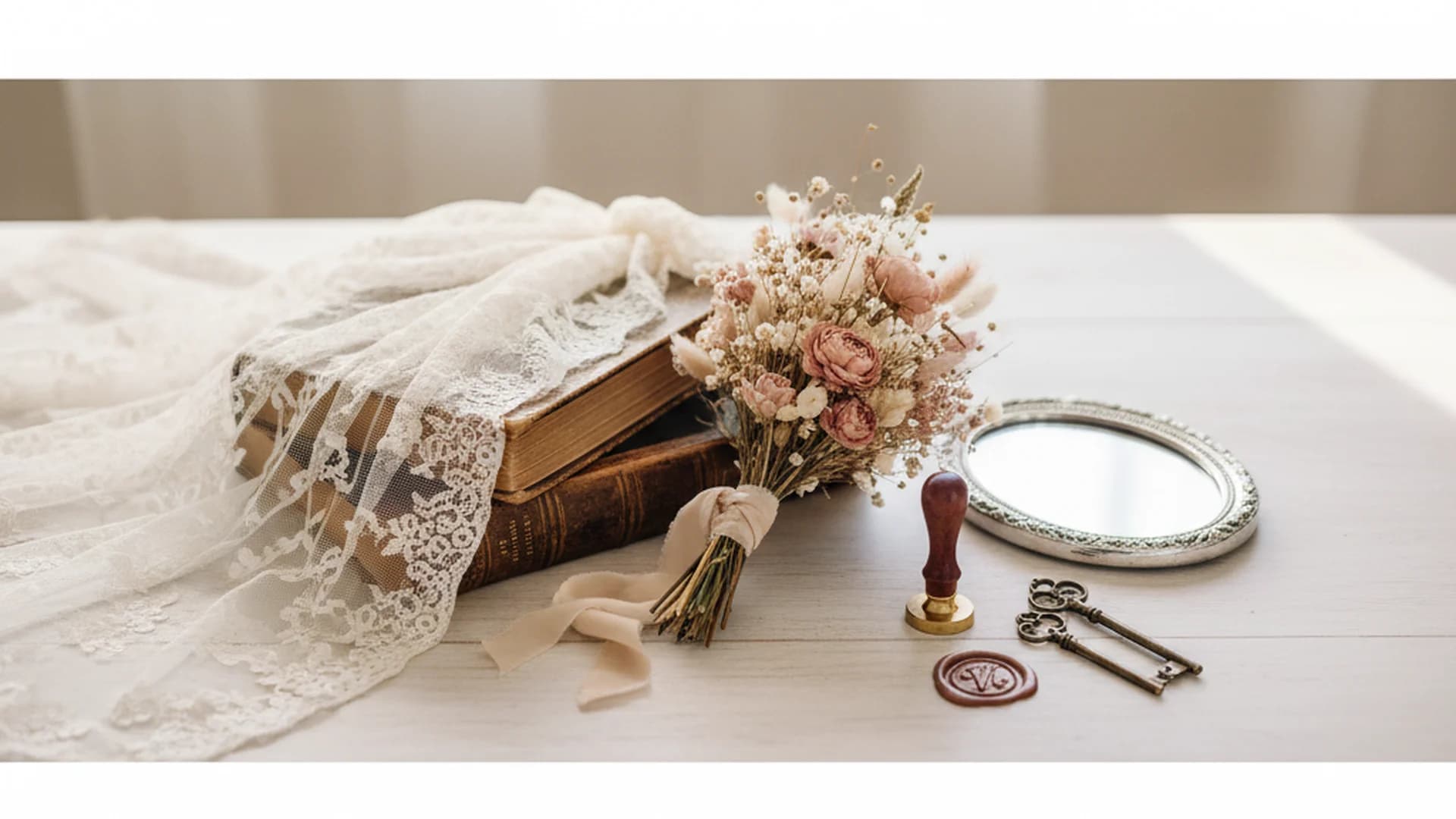
- Select a specific 'Lead Era' to ensure a cohesive and intentional aesthetic.
- Prioritize sustainability by using heirloom decor and authentic pre-owned attire.
- Mix vintage elements with modern comforts to ensure guest satisfaction and functionality.
In the world of ceremony design, the Vintage Wedding Theme has undergone a breathtaking transformation. What was once defined by simple "shabby chic" burlap and mason jars has evolved into a sophisticated, multi-era celebration of history, sustainability, and personal storytelling. As we look toward 2025 and 2026, the trend is shifting toward "Vintage Reimagined"—a style that seamlessly blends authentic historical elements with modern minimalism and avant-garde artistry.
Choosing a vintage theme isn't just about looking backward; it’s about honoring the craftsmanship of the past while looking forward to a sustainable future. Whether you are drawn to the jazz-fueled opulence of the 1920s or the clean, slip-dress elegance of the late 1990s, a vintage celebration allows you to create a day that feels both timeless and deeply personal.
Why Choose a Vintage Wedding Theme?
Beyond the undeniable aesthetic appeal, the surge in vintage-themed weddings is driven by practical and ethical considerations. In an era of mass production, couples are increasingly seeking "one-of-a-kind" pieces that carry a sense of history.
The Sustainability Factor
One of the primary drivers for the vintage revival in 2025 is environmental consciousness. With most modern couples citing sustainability as a top priority, the "reduce, reuse, and recycle" ethos of vintage planning is a natural fit. By opting for a pre-owned gown or renting antique furniture, you significantly reduce the carbon footprint of your event.
Cost-Effective Sophescence
Budgeting is a major concern for any couple. Interestingly, vintage weddings often cost noticeably less than contemporary, high-glamour events. This is largely due to the use of secondhand decor, family heirlooms, and DIY elements that provide high visual impact without the luxury markup. If you are working with a $10000 Wedding Budget, a vintage theme can make your funds stretch much further through clever sourcing and curated styling.
Do this
Defining Your Era: The Foundation of Vintage Style
A common mistake in wedding planning is trying to incorporate "everything old" at once. To avoid your wedding looking like a cluttered thrift store, experts recommend choosing a "Lead Era." This allows you to maintain a cohesive thread throughout your stationery, attire, and decor.
1. The Roaring Twenties (Art Deco)
Characterized by geometric shapes, gold accents, and fringe, this era is perfect for high-drama ballrooms. If you enjoy the aesthetic of The Great Gatsby, you might want to explore our guide on the Art Deco Wedding Theme for specific styling tips.
2. Mid-Century Modern (1950s & 60s)
Think "Mad Men" sophistication. This era focuses on clean lines, teak wood, and tea-length dresses. It is an excellent choice for couples who want a vintage feel that still leans toward minimalism.
3. The Bohemian 70s
For the free-spirited couple, the 1970s offer macramé, velvet textures, and earthy tones. This era pairs beautifully with outdoor or garden settings. You can find more inspiration in our deep dive into the Bohemian Wedding Theme.
4. The 90s Minimalist Revival (The New Vintage)
In the wedding industry, an item is classified as vintage if it is at least 20 years old. This means the late 1990s are officially vintage! We are seeing a massive surge in "Carolyn Bessette-Kennedy" style slip dresses, square-toe heels, and understated elegance.
| Era | Key Textures | Primary Motifs | Recommended Venue |
|---|---|---|---|
| 1920s | Silk, Fringe, Brass | Art Deco Geometry | Historic Ballroom |
| 1950s | Tulle, Lace, Chrome | Polka Dots, Florals | Retro Diner or Garden |
| 1970s | Velvet, Suede, Rattan | Macramé, Wildflowers | Forest or Meadow |
| 1990s | Satin, Crepe, Glass | Clean Lines, Sheer | Industrial Loft |
Note
Planning and Design Best Practices
As an interfaith wedding officiant, I often see how the physical environment of a ceremony influences the emotional weight of the vows. To ensure your vintage wedding theme feels intentional rather than accidental, follow these expert recommendations.
Venue First
Let your venue do the heavy lifting. A historic mansion, an old library, or even a vintage train depot provides a built-in atmosphere that requires very little additional decor. If you choose a venue with character, you won't need to spend thousands on rentals to "create" a vibe.
The Modern Heirloom Approach
Incorporate family treasures to add emotional depth to your day. This could be your grandmother’s brooch pinned to your bouquet, your grandfather’s cufflinks, or using a family Bible during the ceremony. These "Modern Heirlooms" act as a bridge between your family’s history and your new future.
Tip
Audit Your Lighting
Modern LED up-lighting can instantly kill a vintage vibe. To maintain a nostalgic glow, focus on warm candlelight, brass candelabras, and Edison bulbs. The goal is to create an atmosphere that feels "storied" and intimate.
Emerging Trends for 2025 and 2026
The next two years will see a departure from static "props" toward more artistic, avant-garde interpretations of history.
Avant-Garde Vintage (2026)
This trend treats vintage items as art installations. Rather than just placing flowers in a vase, imagine unexpected floral arrangements growing out of antique musical instruments or vintage luggage. It is about creating a "gallery opening" feel for your reception.
Vintage Film Photography
Couples are moving away from the "perfectly polished" look of digital photography. In 2025, expect to see a rise in grainy, nostalgic film shots. Direct flash photography (the "paparazzi" look) and Polaroid guestbooks are essential for capturing the raw, authentic emotion of a vintage-themed day.
Bold 2026 Color Palettes
While 2025 favors "Quiet Luxury" and neutrals, 2026 is trending toward bold "Mediterranean" tones. Look for combinations of:
- Sapphire Blue (inspired by mid-century velvet)
- Terracotta (nodding to 70s earthy tones)
- Fresh Chartreuse (a 1920s revival color)
Heads up
From the OurVows workspace
Planning a wedding is a lot. We make it feel like less.
Checklist, budget, guest list, and a wedding website — together in one free workspace built for both of you.
Real-World Examples of the Vintage Reimagined Trend
To help you visualize these concepts, here are three ways couples are successfully executing the vintage wedding theme today:
- The Library Luxe Wedding: A couple used a historic city library as their venue. They used vintage typewriters for guests to leave messages and served cocktails in 1930s-style coupe glasses. The color palette was deep emerald and gold, reflecting the library's original architecture.
- The 90s Warehouse Soirée: Embracing the "New Vintage," this couple chose an industrial loft. The bride wore a simple 90s-style bias-cut satin gown, and the decor featured minimalist glass vases and disposable cameras on every table for a nostalgic, lo-fi feel.
- The Garden Estate Revival: Using a "Regency" influence, this wedding featured corsetry-style dresses and "basque" waists. The reception used mismatched antique china patterns on long wooden tables, creating a curated, "collected-over-time" aesthetic.
Common Mistakes to Avoid
Even with the best intentions, vintage planning can go awry. Here is how to avoid the most frequent pitfalls.
The "Matchy-Matchy" Trap
The charm of a vintage wedding lies in "curated chaos." Trying to make every single fork, plate, and chair match perfectly can make your wedding feel like a movie set or a museum. Embrace slightly mismatched textures and patterns to give the event a soulful, lived-in feel.
Prioritizing Style Over Comfort
Authentic 1940s chairs may look stunning, but if they are rickety or uncomfortable, your guests will struggle during a four-hour dinner.
Tip
The "White is Universal" Myth
Authentic vintage dresses rarely come in "stark white." They are often shades of ivory, champagne, cream, or even tea-stained hues. If you buy an authentic dress, make sure your linens and paper goods match the specific undertone of your gown to avoid clashing.
Ignoring Modern Conveniences
A historic barn or mansion might not have the best climate control or modern accessibility. Always ensure that your vintage aesthetic doesn't come at the cost of your guests' basic needs. If you're stressed about the logistics, our Wedding Checklist Generator can help you stay on top of the modern essentials.
Frequently asked questions
How do I choose the right era?
Can I mix different vintage decades?
Should I clean an authentic vintage wedding dress?
Where can I find authentic vintage decor?
Conclusion
The Vintage Wedding Theme is more than just a trend; it is a way to celebrate the enduring nature of love by surrounding yourself with objects that have stood the test of time. By focusing on a lead era, prioritizing sustainability, and integrating your own family’s history, you can create a celebration that is both nostalgic and modern.
Remember that the goal of a vintage wedding is not to recreate the past perfectly, but to use the past as a canvas for your future. Whether you are working with a $20000 Wedding Budget or planning a small backyard elopement, the "Vintage Reimagined" approach ensures your day will be remembered for its soul, style, and story.
Do this
Ready when you are
Plan Your Dream Day
Use our free tools to organize your vintage wedding details today.
Ready when you are
Plan your wedding without the chaos.
Free forever for couples just getting started. Two minutes to set up. No credit card.
Keep reading
The Timeless Elegance of the Classic Wedding Theme: A Guide for 2025 and 2026
Explore the enduring appeal of the classic wedding theme. Learn about 2025-2026 trends, budgeting, and how to achieve a timeless "Old Money" aesthetic for your big day.
The Ultimate Guide to the Cottagecore Wedding Theme: 2025 Trends & Planning Tips
Discover how to plan a perfect Cottagecore wedding. From floral trends to budget-friendly tips, explore this romantic, pastoral aesthetic for your 2025-2026 celebration.
The Ultimate Guide to the Italian Wedding Theme: From Rustic Roots to Refined Luxury
Planning an Italian wedding theme? Discover the latest 2025-2026 trends in refined luxury, authentic decor, regional aesthetics, and essential logistics.