The Ultimate Guide to Planning a Spain Destination Wedding (2025-2026)
Plan your dream Spain destination wedding with our expert guide. Explore top regions, legal requirements, 2025 costs, and local trends for a Mediterranean celebration.
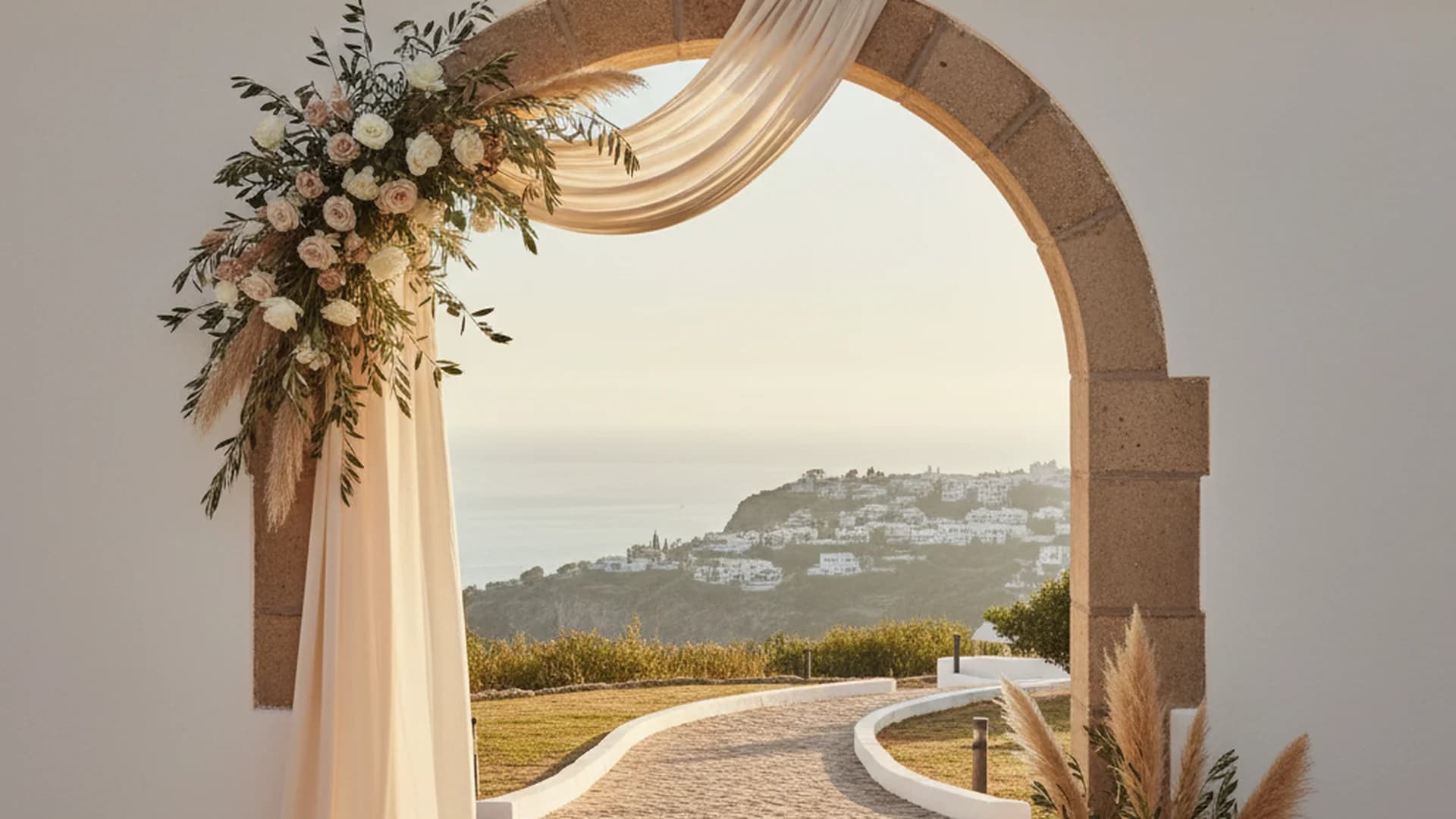
- Symbolic ceremonies are the most popular choice for non-residents to bypass legal hurdles.
- Always budget for an additional 10-21% VAT (IVA) which is often excluded from initial quotes.
- Mediterranean weddings peak from May to September, with ceremonies traditionally starting after 6:00 PM.
For couples seeking a blend of historic grandeur, sun-drenched coastlines, and world-class gastronomy, a Spain destination wedding remains one of the most coveted choices for the 2025 and 2026 seasons. From the soulful olive groves of Andalusia to the rugged cliffs of the Costa Brava, Spain offers a sensory experience that few other locales can match. As an interfaith wedding officiant, I have seen firsthand how the "Spanish rhythm"—a mix of relaxed elegance and late-night vibrance—transforms a standard wedding into an unforgettable cultural immersion.
Why Spain is Trending for 2025 and 2026
The allure of Spain is rooted in its diversity. Unlike more monolithic destinations, Spain offers a "choose your own adventure" style for couples. Whether you are dreaming of a high-end beach retreat in the Balearic Islands or a rustic-luxury celebration in a Catalan farmhouse (masia), the infrastructure for international weddings is incredibly robust.
The wedding sector in Spain currently generates nearly €4.8 billion annually, with approximately 8% of all ceremonies being hosted by foreign couples. This international appeal has led to a sophisticated vendor network that understands the specific needs of destination couples, particularly those from the UK, US, and Northern Europe.
Choosing Your Perfect Spanish Region
Spain is not a monolith; each region carries its own distinct personality, climate, and architectural style.
Andalusia: Soulful Tradition
Andalusia is the heart of traditional Spain. Think historic haciendas, the scent of orange blossoms, and the haunting sound of a Spanish guitar. This region is perfect for couples who want a "soulful" wedding.
Example: Imagine a ceremony held in a 17th-century olive grove near Seville, followed by dinner in a courtyard filled with bougainvillea and a party that lasts until the sun rises over the Sierra Nevada mountains.
Catalonia: Urban Luxury and Rugged Coasts
Barcelona and the surrounding Costa Brava offer a unique mix of cosmopolitan flair and natural beauty. You can host a high-fashion urban wedding in a Gothic Quarter palace or head north to the rugged cliffs for a seaside cliff-top vow exchange.
The Balearic Islands: High-End Retreats
Mallorca and Ibiza remain the top choices for luxury, multi-day weddings. These islands specialize in "immersive" experiences, where guests stay together in large villas or boutique hotels for a weekend of coastal celebration.
Note
The Financial Reality: Budgeting for Spain
Understanding the costs is vital to avoid "budget shock" later in the process. While Spain can be more affordable than the US or UK for certain items, high-end venues in Marbella or Ibiza command premium prices.
| Budget Tier | Estimated Cost (60–100 Guests) | Best For |
|---|---|---|
| Mid-Range | €15,000 – €25,000 | Boutique hotels, rustic masias |
| High-End | €30,000 – €45,000 | Luxury villas, coastal resorts |
| Ultra-Luxury | €70,000+ | Historic castles, private islands |
Catering is a significant portion of the budget, typically ranging from €160 to €200 per person. This usually includes the pica-pica (a long, lavish cocktail hour), a multi-course sit-down meal, and an open bar.
Heads up
Navigating the Legalities
One of the biggest hurdles for a Spain destination wedding is the legal paperwork.
Civil Ceremonies
For non-residents, a legal civil ceremony in Spain is extremely difficult. Generally, at least one partner must be a legal resident in Spain for at least two years.
Catholic Ceremonies
Spain is a Catholic country, and the Church allows non-residents to marry legally in a Catholic ceremony. The legalities are handled through your local parish at home and the local Spanish bishop’s office.
The "Symbolic" Solution
Most international couples choose to marry legally in their home country before traveling to Spain. They then host a "symbolic ceremony" or a "blessing" in Spain. This allows for total creative freedom in the script and location.
Tip
From the OurVows workspace
Planning from a distance?
A checklist tuned to your date, a shared budget, and a website your guests will actually use.
Expert Recommendations for a Seamless Event
Hire a Local Planner
The "frustrating bureaucracy" and language barriers in Spain can be daunting. A local planner is not just a luxury; they are a shield. They know which vendors are reliable and can negotiate contracts in Spanish to ensure you aren't overcharged.
Shift Your Timeline
Do not attempt a 2:00 PM ceremony in the Spanish summer. The heat can be dangerous for guests. Embrace the local rhythm:
- Ceremony: 6:00 PM – 7:00 PM
- Cocktails: 7:30 PM – 9:00 PM
- Dinner: 9:30 PM – 11:30 PM
- Dancing: 11:30 PM – 4:00 AM
Choose a "3-Area" Venue
To keep the energy high during a long Spanish wedding, look for venues with distinct spaces. Example: A garden for the ceremony, a separate courtyard for the cocktail hour, and an indoor or tented hall for dinner and dancing. This physical transition keeps guests engaged and moving.
Trends for 2025 and 2026
The landscape of destination weddings is shifting toward more personal and raw experiences.
- Wedding Content Creators: Many couples are now hiring specialized content creators alongside photographers. These professionals capture raw, behind-the-scenes iPhone footage for immediate social media sharing.
- Multi-Day "Immersive" Experiences: The one-day wedding is becoming a three-day event. This often includes a welcome tapas tour, a morning-of yoga session in a vineyard, and a "recovery" pool party the day after.
- Nature-Inspired "Rustic Luxury": Move away from stiff, formal decor. The trend is toward organic styling—olive branch garlands, wildflowers, and utilizing the "golden hour" light of the Mediterranean.
- Personalized Celebrants: As an interfaith officiant, I’ve seen a rise in "cultural fusion" ceremonies. Couples are blending Spanish traditions, like the arras (13 gold coins), with their own heritage to create a unique narrative.
Do this
Common Mistakes to Avoid
- The "Rain-Proof" Fallacy: Even with 300 days of sun, rain happens. Never book a venue that doesn't have a viable "Plan B" (indoor space).
- Late Invitations: For a destination wedding, guests need time to book flights and accommodation. Send your "Save the Dates" at least 8 to 12 months in advance.
- Checking the Dress: Never put your wedding gown or suit in checked luggage. Carry it in a garment bag onto the plane. Airlines are usually very accommodating with hanging it in the crew closet.
- DIY Logistics in Rural Areas: If you are marrying in a remote part of Andalusia, do not assume your guests can call an Uber. You must provide group transportation to ensure no one gets lost or stranded.
Frequently asked questions
Can we legally marry in Spain if we aren't residents?
How far in advance should we book a Spanish venue?
Do we need to pay for our guests' travel and lodging?
What is the best month for a wedding in Spain?
Conclusion
A Spain destination wedding is more than just a ceremony; it is an invitation for your guests to experience the legendary Spanish joie de vivre. By navigating the legalities early, respecting the local climate, and embracing the cultural nuances of the region, you can create a celebration that feels both exotic and deeply personal.
Planning a wedding abroad can be complex, but with the right resources, it becomes a beautiful journey. If you are just starting your planning process, consider using our (Marketing) - Tools - Wedding Budget Calculator to get a clear picture of your finances. For those looking at other Mediterranean options, you might also find our guide on an Amalfi Coast Destination Wedding helpful for comparison.
Do this
Ready when you are
Ready to Plan?
Start your destination wedding journey with our expert tools.
Ready when you are
Plan your wedding without the chaos.
Free forever for couples just getting started. Two minutes to set up. No credit card.
Keep reading
How to Plan an Elopement: The Ultimate 2025-2026 Guide
Learn how to plan an elopement in 2025-2026. From budget tips and permits to tiered celebrations, discover how to create an intentional, authentic wedding experience.
The Ultimate Guide to a Santorini Destination Wedding: 2025-2026 Edition
Planning a Santorini destination wedding? Discover costs, legal requirements for 2025-2026, the best venues, and expert tips for an iconic Greek island celebration.

The Ultimate Nashville Destination Wedding Guide: 2025-2026 Edition
Plan the perfect Nashville destination wedding with expert advice on venues, legal requirements, 2025 trends, and budgeting for the Music City experience.