The Ultimate Guide to Planning Your Scotland Destination Wedding in 2025-2026
Everything you need to know about planning a Scotland destination wedding, from legal M10 forms to the latest luxury castle trends for 2025 and 2026.
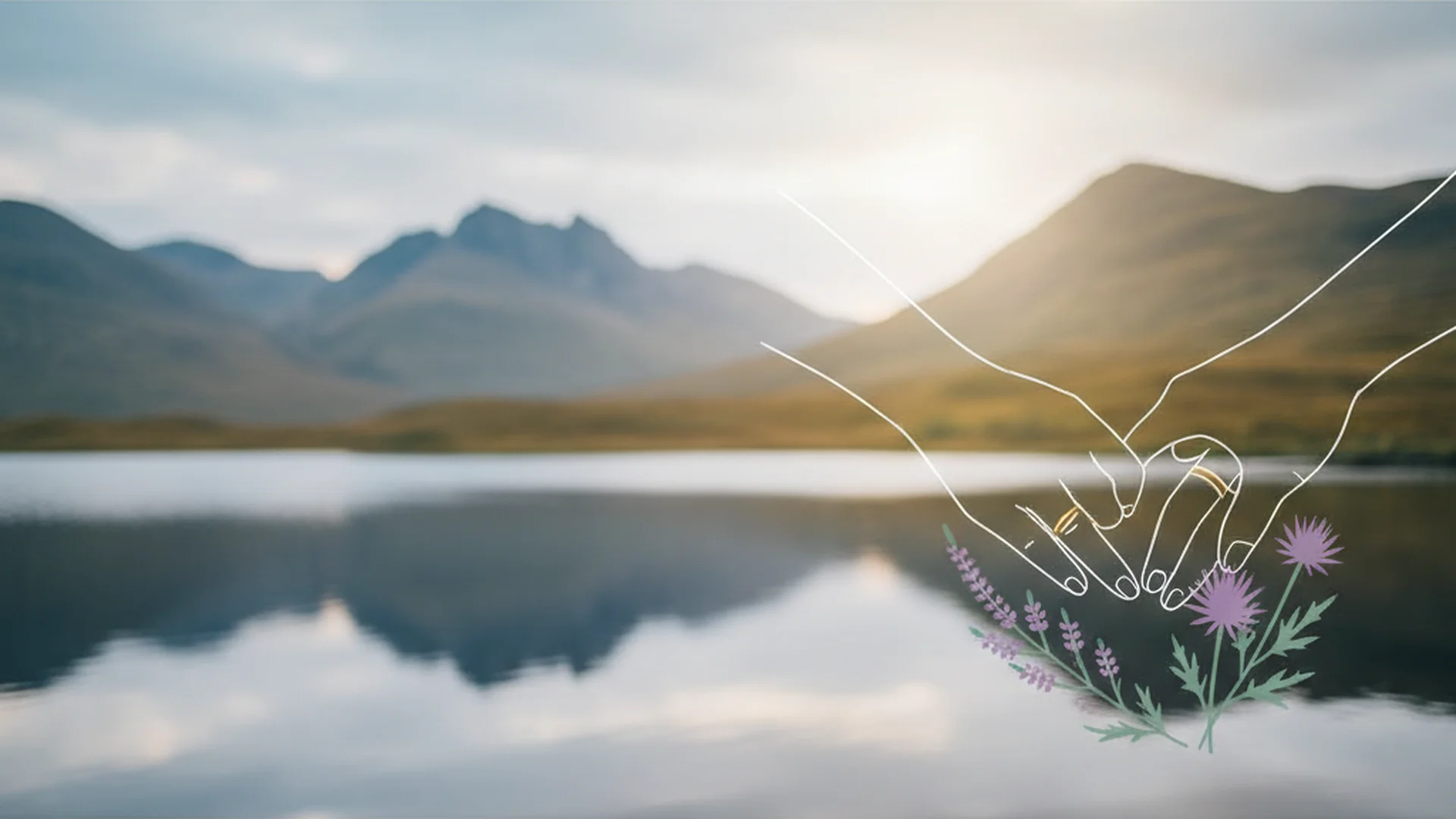
- Scotland offers some of the world’s most flexible marriage laws, allowing you to marry anywhere "safe and dignified."
- Legal paperwork (M10 forms) must be submitted between 3 months and 29 days before the ceremony.
- The 2025-2026 trend focuses on "luxury-per-guest" micro-weddings and 3-day weekend experiences.
There is a specific kind of magic that occurs when the mist rolls over a glen and the sound of a distant bagpipe echoes against ancient stone. It is the reason why a Scotland destination wedding remains at the top of the list for couples seeking something far beyond the traditional "white box" hotel ballroom. Whether you are dreaming of a rugged elopement on the Isle of Skye or a maximalist celebration in a 16th-century castle, Scotland offers a blend of drama, history, and surprisingly flexible legalities that few other countries can match.
As we look toward the 2025 and 2026 seasons, the Scottish wedding landscape is shifting. We are seeing a move away from the massive, impersonal gatherings of the past and a surge toward intentional, design-forward celebrations that prioritize the guest experience as much as the scenery.
Why Scotland is the Premier Choice for 2025-2026
Scotland isn't just a backdrop; it’s a character in your wedding story. In 2024 alone, nearly 27,000 marriages were registered in Scotland, with a significant 20% of those involving couples traveling from overseas. The United States, in particular, has seen a 54% increase in wedding tourism to the Highlands and cities like Edinburgh and Glasgow.
What makes it so attractive? Unlike many European destinations—where you might face residency requirements or be restricted to a town hall—Scotland allows you to marry anywhere. If you can hike to it, and your celebrant is willing to follow you, you can legally wed there. This freedom is the cornerstone of the Adventure Elopement Ideas that have become so popular in the post-pandemic era.
Tip
The Legal Roadmap: Navigating the Paperwork
While Scotland is flexible about where you marry, the government is very strict about how you apply. The legal process is non-negotiable and requires precision.
The M10 Marriage Notice Forms
Every couple must submit M10 Marriage Notice forms to the registrar in the district where the wedding will take place. This must be done no earlier than three months before the wedding and no later than 29 days before.
Heads up
The Marriage Schedule
The "Marriage Schedule" is the most important piece of paper you will handle. It is the physical document you, your partner, and your two witnesses sign during the ceremony. In Scotland, you must collect this document in person from the local registry office during the week of your wedding.
Note
Visa Requirements
Even if you are from a country that doesn't require a tourist visa for the UK (like the US or Canada), you generally need a Marriage Visitor Visa to legally marry in Scotland. Without this, you risk being turned away at the border or having your marriage deemed invalid.
Top Venue Styles for the 2025/2026 Season
The "Bridgerton effect" is alive and well in the Scottish wedding industry. We are seeing a massive demand for "Old Money" aesthetics and maximalist decor.
1. Stately Homes and Maximalist Castles
Venues like The Witchery in Edinburgh or grand estates in Perthshire are booking up 18 months in advance. These venues offer "architectural draping" and historical interiors that require very little additional decoration. They fit perfectly with the 2026 trend of deep burgundy and emerald green color palettes.
2. Modern Industrial Spaces
In cities like Glasgow, new venues like The Exchange are catering to couples who want a "city-chic" vibe with a Scottish twist. These spaces allow for bold, contemporary design while remaining close to the historical heart of the city.
3. Remote Highland Estates
For those seeking privacy, private estates in the Highlands offer a "weekend-long" experience. Instead of a five-hour event, couples are booking estates for three days—starting with a welcome dinner (perhaps a "mini-Highland games") and ending with a Sunday brunch.
| Venue Type | Average Guest Capacity | Vibe |
|---|---|---|
| Historic Castle | 50–120 | Formal, Regal, Traditional |
| Highland Lodge | 20–40 | Intimate, Cozy, Rustic |
| Edinburgh Boutique | 10–30 | Moody, Romantic, Gothic |
| Modern City Loft | 80–150 | Chic, Industrial, Vibrant |
2025-2026 Trends: What’s New?
Planning a Scotland destination wedding in 2025 or 2026 means embracing a "quality over quantity" mindset. Here are the trends currently dominating the planning boards of top Scottish designers:
The 3-Day Wedding Experience
The one-day wedding is becoming a thing of the past for destination couples. Because guests are traveling significant distances, couples are hosting:
- Friday: A "Welcome to the Glen" dinner featuring local malts and seafood.
- Saturday: The main ceremony and ceilidh (traditional Scottish dancing).
- Sunday: A "Survivor's Brunch" before guests head back to the airport.
Sustainability and Local Sourcing
Eco-conscious couples are ditching imported roses for seasonal Scottish foliage like heather, ferns, and wildflowers. Catering has also shifted toward "zero-waste" menus featuring local venison, hand-dived scallops, and Scottish salmon.
Bold Color Palettes
While pastels were once the standard, the moody Scottish landscape is inspiring a move toward deep cobalt blue, burnt orange, and rich forest greens. These colors pop beautifully against the grey stone of castles and the brown/purple hues of the moors.
Do this
From the OurVows workspace
Planning from a distance?
A checklist tuned to your date, a shared budget, and a website your guests will actually use.
Budgeting for Your Scottish Celebration
How much does a Scotland destination wedding actually cost? While the average UK wedding is around £18,000–£20,000, a luxury destination event usually starts much higher due to the logistics of travel and high-end venue hire.
If you are working with a specific budget, you might want to look at our guides for a $10000 Wedding Budget or a $20000 Wedding Budget to see how to allocate funds effectively. In Scotland, your biggest expenses will typically be venue hire (castles don't come cheap!) and high-quality photography to capture the landscape.
Tip
Common Mistakes to Avoid
Planning from thousands of miles away can lead to some common pitfalls. Here is what the experts (and Alistair's humor-filled archives) suggest you avoid:
1. Underestimating Travel Times
GPS might tell you it takes two hours to get from Glasgow to the Isle of Skye, but GPS hasn't met a herd of Highland cows blocking a single-track road.
- The Fix: Always add a 25% "buffer" to any travel time in your guest itinerary.
2. Choosing Fashion Over Function
That 10-foot train looks amazing in a cathedral, but it will act as a giant vacuum for mud and peat on a Scottish hillside.
- The Fix: If you're marrying outdoors, invest in "Ceremony Boots"—stylish boots or wellies—and change into your designer heels once you're back on the castle's dance floor.
3. Forgetting the "Plan B"
In Scotland, it doesn't just rain; it "mists," "drizzles," "howls," and "glowers."
- The Fix: Your indoor backup space must be as beautiful as your outdoor Plan A. If you're renting a marquee, ensure it has a wooden floor and proper heating—even in July!
4. DIYing the Legal Paperwork
The Scottish registrars are lovely, but they are bureaucrats. If a form is missing a signature or a date, they cannot process it.
- The Fix: Hire a local planner or use a service that specializes in international paperwork to review your M10 forms before you mail them.
Frequently asked questions
Can foreigners legally marry in Scotland?
Do we need witnesses for a Scottish wedding?
Can we have a religious ceremony outdoors?
What is a "Ceilidh" and do we need one?
When is the best time of year to marry in Scotland?
Final Thoughts: Writing Your Own Scottish Legend
Ultimately, a Scotland destination wedding is about more than just a ceremony; it is about the adventure of starting a life together in a place that feels timeless. Whether you are huddled together under an umbrella in the Glencoe wind or dancing the night away in a grand ballroom in Edinburgh, the memories made here are as rugged and enduring as the landscape itself.
As you begin this journey, remember to prioritize the story you want to tell. Do you want the grandeur of a Amalfi Coast Destination Wedding, or do you crave the soul-stirring, wild romance of the North? If it's the latter, Scotland is waiting for you.
Do this
Ready when you are
Ready to Start?
Begin your Scottish wedding journey with our expert tools.
Ready when you are
Plan your wedding without the chaos.
Free forever for couples just getting started. Two minutes to set up. No credit card.
Keep reading
How to Plan an Elopement: The Ultimate 2025-2026 Guide
Learn how to plan an elopement in 2025-2026. From budget tips and permits to tiered celebrations, discover how to create an intentional, authentic wedding experience.
The Ultimate Guide to a Santorini Destination Wedding: 2025-2026 Edition
Planning a Santorini destination wedding? Discover costs, legal requirements for 2025-2026, the best venues, and expert tips for an iconic Greek island celebration.
The Ultimate Nashville Destination Wedding Guide: 2025-2026 Edition
Plan the perfect Nashville destination wedding with expert advice on venues, legal requirements, 2025 trends, and budgeting for the Music City experience.