Puerto Rico Destination Wedding: Planning Guide
By OurVows Editorial Team8 min readPublished Updated
On this page
A Puerto Rico destination wedding feels like a Caribbean trip but works like a domestic one. Puerto Rico is a US territory, so US citizens don't need a passport to travel there from the mainland, you pay in US dollars, and a marriage legally performed there is recognized across the United States. What needs real planning is the paperwork, which is set by local authorities and can change, plus hurricane season, heat and island logistics.
Choosing a region
Puerto Rico packs a lot of variety into a small island. We haven't listed specific venues because availability and policies change; use this comparison to decide where to look.
| Area | Feel | Plan for |
|---|---|---|
| Old San Juan and the San Juan area | Historic streets, fortress walls, city dining | Usually the easiest travel and widest vendor choice; cobblestones affect shoes and transport |
| Rainforest and northeast coast (around El Yunque) | Green hills, beaches, resort stays | Frequent passing showers, so plan covered space |
| West coast (around Rincón) | Relaxed surf town, ocean sunsets | A longer trip from San Juan; ask which vendors are local and which would travel |
| South coast and central mountains | A drier coast and cooler highlands with coffee farms | Long distances between airport, lodging and venue; winding mountain roads |
| Vieques and Culebra | Small, quiet islands with beaches | Ferry or small-plane access that weather can disrupt; check how many guests local lodging can hold |
Whichever area you choose, ask each venue whether it has covered or indoor space, what happens to your date and deposits if a storm hits, whether it has backup power, and how guests will get there and back.
See it in OurVows · 0:31
Make a wedding website with OurVows
The OurVows wedding website builder: pages for your story, schedule, travel, hotels, Q&A and RSVPs, a live preview on desktop and phone, and the finished site guests see.
The legal marriage: what to check
A wedding ceremony and a legal marriage don't have to happen in the same place, so decide which route suits you.
Marry legally in Puerto Rico. Visitors can marry on the island. The license comes from the Demographic Registry (Registro Demográfico), which sits under the Puerto Rico Department of Health. Couples who live elsewhere have typically been asked for items such as photo ID, birth certificates, a sworn statement about residency and a medical certificate, and some of these documents are valid for only a short window, so don't collect them too early.
Marry at home, celebrate in Puerto Rico. Many couples sign their legal paperwork at home and hold a symbolic ceremony on the island, which avoids arranging a license while traveling. Be open with your officiant and guests about which part is legal, and see our guide to getting a marriage license for the general US process.
Questions to ask the Registry or your planner:
- Which documents do couples from outside Puerto Rico need, and must any be notarized, translated or recently issued?
- Are there medical or testing requirements, and how long is each document valid?
- Who may legally solemnize the marriage, and does your officiant qualify?
- How and when will you receive your certified marriage certificate?
Weather: hurricanes, rain and heat
Hurricane season
The Atlantic hurricane season runs roughly from June to November, with the most activity usually from late summer into autumn. A storm doesn't have to hit the island to disrupt a wedding: flights get canceled, guests may delay travel and vendors may be unable to work. If your date falls in that window, plan for it.
- Insurance. Buy event cancellation insurance early, because policies generally won't cover a storm that already has a name when you buy. Read what is covered for the venue, vendor deposits and guest travel, and see our wedding insurance guide.
- Contracts. Get storm and postponement terms in writing from your venue and every vendor, including what happens to deposits. Our vendor contract tips show what to look for.
- Flexibility. Choose flexible flights and lodging where you can, and decide in advance how you will tell guests about any change of plan.
Rain, heat and humidity
Short tropical showers are common, especially around the rainforest, so book a covered or indoor option even if you plan to marry outdoors. Our rainy wedding day plan covers how to make the call. Heat and humidity shape the details:
- Timing. Later-afternoon ceremonies are usually more comfortable than midday ones. Ask your photographer when the light is best and build the schedule around sunset.
- Attire and comfort. Lightweight, breathable fabrics such as linen blends and chiffon are easier to wear than heavy satin or wool, and pinned-up hair tends to hold better in humidity. Provide shade, water and fans for guests, and suggest light clothing and comfortable shoes in the invitation.
- Flowers and cake. Delicate blooms wilt quickly and buttercream softens in heat, so ask your florist and baker what holds up and how they will keep items cool until needed.
Vendors, language and logistics
- Vendors. Choice is usually widest around San Juan and the larger resort areas. A planner who works on the island can recommend vendors, explain permits and local rules, and be your contact while you plan from afar. If a vendor has to travel to you, ask what is included, such as travel time, lodging and fees, and get it in writing.
- Language. Spanish and English are both official languages, and you will find vendors who work in either or both. Confirm which language your contracts, officiant and ceremony will use.
- Shipping. Some retailers and carriers treat Puerto Rico differently from mainland addresses, with longer transit times, extra fees or restrictions. Check before ordering décor or attire, order early, and carry irreplaceable items such as rings and the dress yourself.
- Getting around. Guests may need rental cars or shuttles, and drives between regions can be slow. Vieques and Culebra are reached by ferry or small plane, with limited capacity and weather delays, so book early and have a backup.
- Budget. Destination weddings add costs such as a planner, site-visit trips, vendor travel fees, shipping and insurance. Ask whether taxes and service charges are included in each quote, then add these lines to our wedding budget calculator.
Looking after your guests
Guests are spending time and money to be there, so send details early, offer lodging at a few price points, explain transport, and suggest flexible fares and travel insurance, especially in hurricane season. Our guide to hosting out-of-town guests covers hotel blocks, welcome bags and who pays for what. A wedding website is a good home for travel details, your storm plan and RSVPs; the free OurVows plan includes a published wedding website on ourvows.app with RSVPs.
A planning timeline
| When | What to do |
|---|---|
| 12 to 18 months out | Choose where the legal marriage will happen, a region and a rough season. Set a budget, start the guest list and look for a local planner. |
| 9 to 12 months out | Book the venue and key vendors with storm and cancellation terms in writing. Send save-the-dates with travel basics. Buy event insurance soon after your first deposit. |
| 6 to 9 months out | Visit the island if you can. Line up guest lodging, order any shipped décor or attire, and ask the Registry for its exact document list and how recent each item must be. |
| 3 to 4 months out | Send invitations with travel details and your plan for sharing storm updates. Confirm paperwork steps and dates with the Registry. Book transport. |
| 1 to 2 months out | Confirm the headcount and day-of timeline with vendors. Check delivery dates and finalize your rain and heat plans. |
| Final week or two | Watch the forecast and storm advisories, confirm transport and vendor arrival times, and travel a few days early with your original documents. |
| After the wedding | Order certified copies of your marriage certificate, arrange an apostille if you need one abroad, and start any name changes. |
Frequently Asked Questions
Do we need a passport to get married in Puerto Rico?
US citizens traveling from the mainland don't need a passport, because Puerto Rico is a US territory, but you will still need acceptable photo ID to fly. If either of you isn't a US citizen, the usual US entry rules apply, so check passport and visa or travel authorization requirements early.
Can non-residents get legally married in Puerto Rico?
Yes, visitors can marry on the island, but you will need to follow the Demographic Registry's current requirements for non-residents. Rules and document timing are set locally and change, so confirm them directly before booking travel.
Is a Puerto Rico marriage valid in the rest of the US?
Yes. A marriage legally performed in Puerto Rico is recognized across the United States like a marriage from any state. If you need your certificate in another country, ask that country's authorities whether an apostille is required; the Puerto Rico Department of State issues apostilles for documents from the island.
When is the best time of year for a Puerto Rico wedding?
It depends on your priorities. The Atlantic hurricane season runs roughly June to November, so other months carry less storm risk, though showers can happen at any time. If you choose hurricane season, follow the insurance and contract steps above.
Can we have a private beach wedding in Puerto Rico?
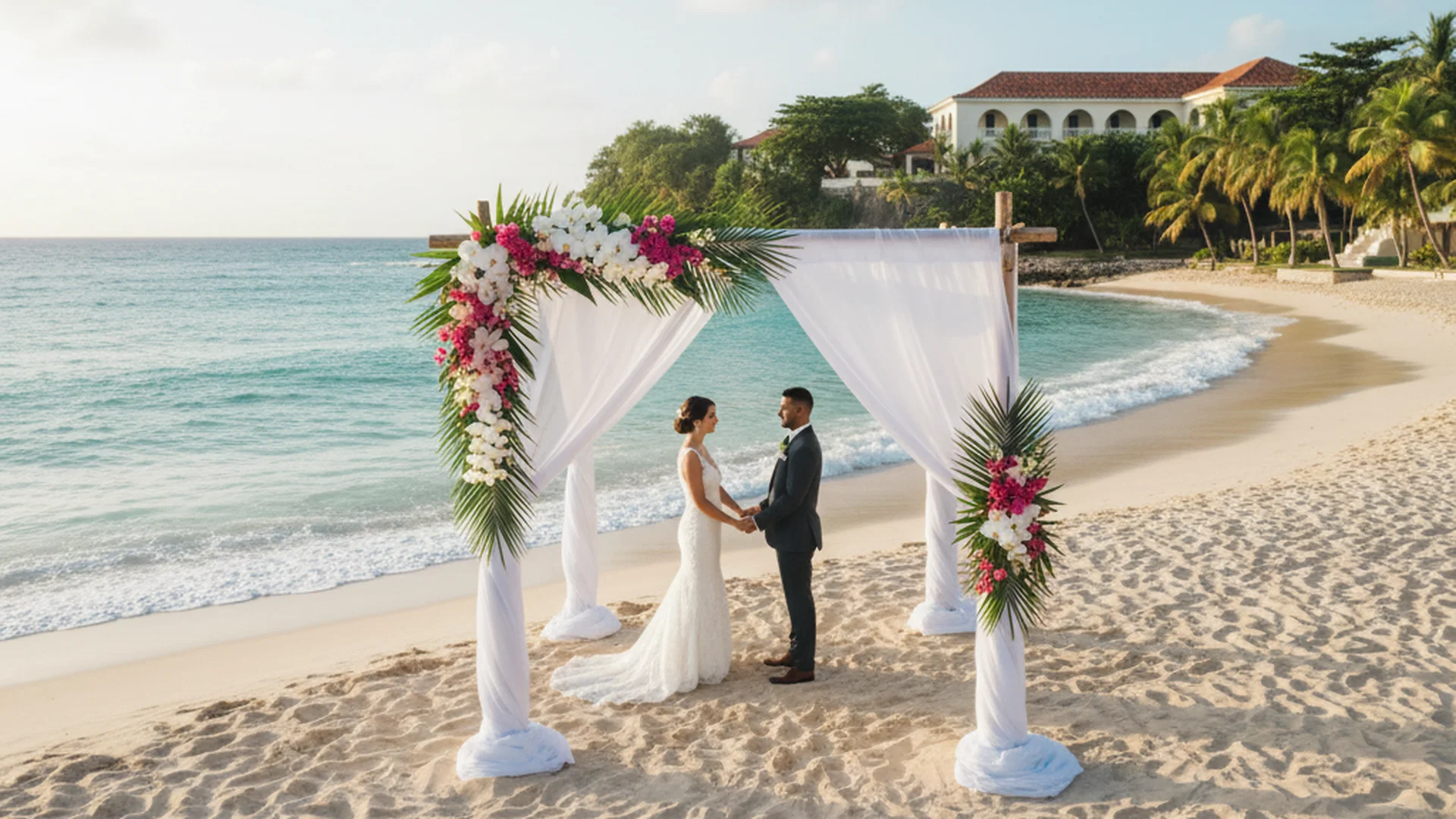
Not on public sand. Beaches in Puerto Rico are public by law, and a ceremony on one can require a permit. Venues with grounds beside the beach can offer more privacy, so ask what is private and who handles permits.
A destination wedding, organized
Your checklist, guest list, travel details and payments in one shared space. Plus lets you email every guest the details and remind the ones who haven't replied.