The Ultimate Guide to Private Dining Weddings: Intimate Luxury for 2025–2026
Discover the rise of private dining weddings. Learn how to plan an intimate, chef-led wedding experience focused on culinary excellence and deep connection.
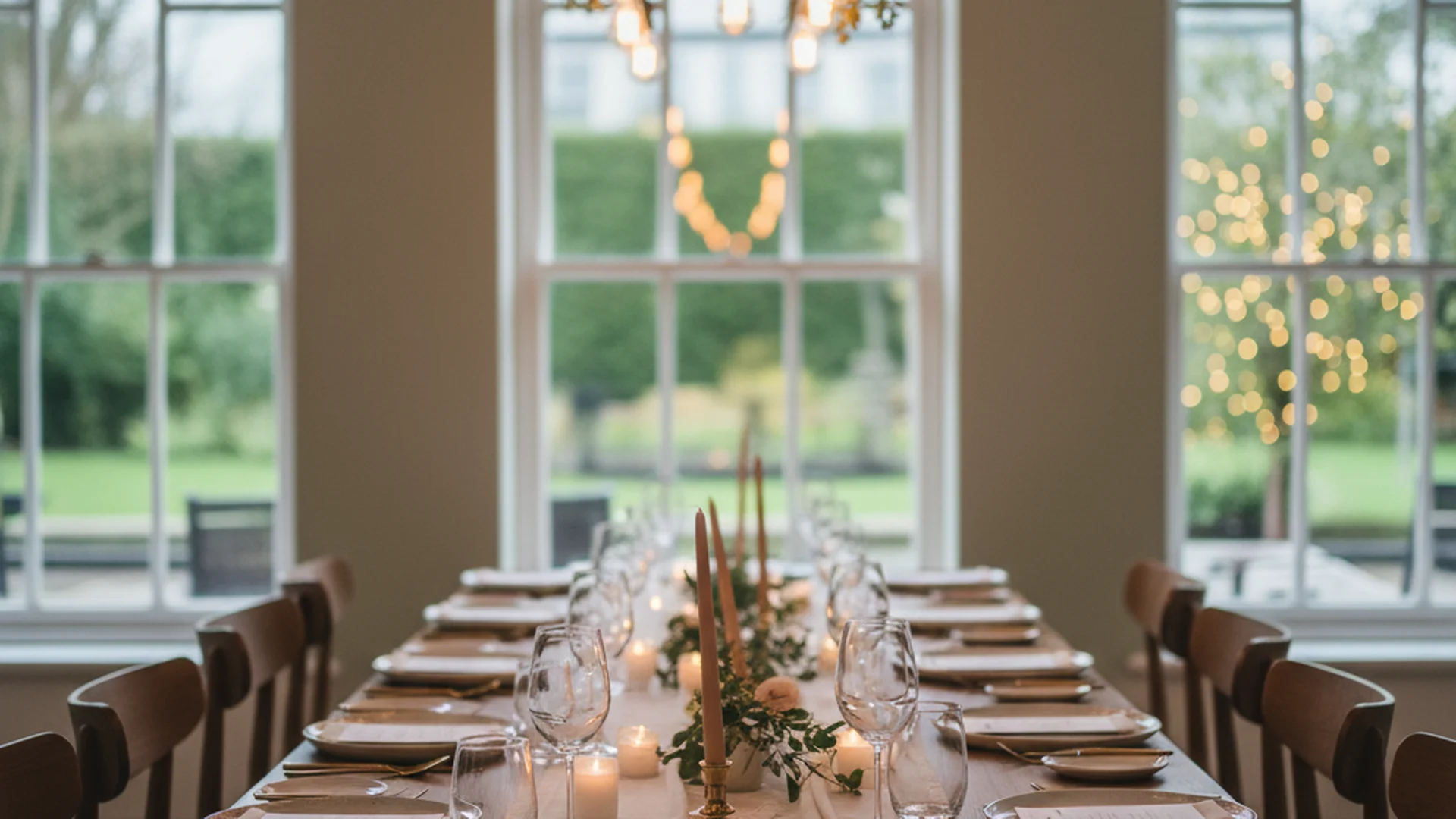
- Private dining weddings focus on quality over quantity, with 35–40% of budgets allocated to food.
- A "buyout" offers more flexibility for dancing and decor than a semi-private reservation.
- Interactive "eatertainment" and storytelling menus are the top trends for 2025–2026.
In the landscape of modern matrimony, the "bigger is better" philosophy is rapidly being replaced by a more intentional, curated approach. As a relationship counselor, I often see couples overwhelmed by the performative nature of traditional 200-person galas. That is why the Private Dining Wedding has become the standout trend for 2025 and 2026. By shifting the focus from a cavernous ballroom to an intimate, chef-led culinary experience, couples are reclaiming the emotional heart of their wedding day.
A private dining wedding isn’t just about having a smaller guest list; it is about elevating the sensory experience for those closest to you. Whether it is a full restaurant buyout or an exclusive chef’s table, this format prioritizes conversation, world-class cuisine, and a relaxed atmosphere that traditional venues often struggle to replicate.
The Shift Toward "Quality Over Quantity"
The global wedding market is currently witnessing a fascinating evolution. While the industry is projected to grow by over 12% annually through 2030, the growth isn't coming from larger guest counts. Instead, it is driven by specialized catering and premium, intimate experiences.
Couples today are increasingly opting for Intimate Wedding Ideas that allow them to spend more time with each guest. This shift is reflected in the budget: while a traditional wedding might allocate 15–20% of the funds to catering, those planning a private dining wedding are investing 35–40% of their total budget into the dining experience itself.
| Metric | Traditional Wedding | Private Dining Wedding |
|---|---|---|
| Average Guest Count | 100–150 | 10–50 |
| Per-Guest Investment | $250–$350 | $400–$500 |
| Budget Focus | Venue & Decor | Food & Beverage |
| Interaction Level | Low/Generalized | High/Personalized |
Do this
Why a Private Dining Wedding Works for Modern Couples
As a relationship counselor, I find that the environment of a private dining room fosters deeper connections. In a large hall, the couple is often pulled in a dozen directions, barely finishing a meal. In a private dining setting, the couple sits with their guests, participating in the shared joy of a multi-course feast.
Vibe Over Volume
One of the greatest advantages of a restaurant venue is the "built-in" luxury. Most high-end restaurants have already invested thousands in professional interior design, ambient lighting, and high-quality acoustics. This means you can often save significantly on floral arrangements and rentals because the space is already aesthetically complete.
Tip
Superior Service and Flexibility
Traditional caterers often have to cook for 200 people in a mobile kitchen or a tent. In a restaurant, you have a full professional kitchen at your disposal. This allows for a Micro Wedding Guide that includes complex dishes, wine pairings, and immediate adjustments for dietary needs that a traditional banquet simply cannot handle.
Defining Your Space: Private vs. Semi-Private
When scouting locations for your private dining wedding, you will encounter two main options: private rooms and semi-private spaces. Understanding the difference is crucial for your planning.
- Private Rooms: These are completely walled-off sections of the restaurant. They offer total privacy for toasts, speeches, and your own music.
- Semi-Private Spaces: These are often cordoned-off sections of the main dining room. While they are beautiful, you will likely hear the ambient noise of other patrons.
- Full Buyouts: This is the gold standard for private dining weddings. You pay a "minimum spend" to close the restaurant to the public, giving you total control over the floor plan, including space for a ceremony or a dance floor.
Heads up
2025–2026 Trends in Private Dining Weddings
The upcoming wedding seasons are all about "the experience." We are seeing a move away from the "Ceremony -> Cocktail -> Dinner" conveyor belt toward a more fluid, interactive evening.
Chef-Led "Eatertainment"
The buffet is being replaced by interactive stations where the "prep" is the performance. Imagine a chef live-searing scallops right in front of your guests or a handcrafted pasta station where guests choose their own infusions. This turns the meal into a form of entertainment.
Hyper-Personalized "Storytelling" Menus
Couples are now working with chefs to create menus that tell their history. I recently worked with a couple who served a four-course meal representing their journey: an appetizer from where they met (New York), a pasta course from their first vacation (Rome), a main dish from where they live now (Texas), and a dessert from their favorite local bakery.
"Meadowcore" Narratives
Sustainability and foraging are major themes. Chefs are integrating edible flowers, wild mushrooms, and locally foraged greens into the plate design, creating a "meadow on a plate" that feels both organic and high-end.
Note
From the OurVows workspace
Planning a wedding is a lot. We make it feel like less.
Checklist, budget, guest list, and a wedding website — together in one free workspace built for both of you.
Planning the Logistics
If you are transitioning from a large event to a smaller one, you may need to adjust your Micro Wedding Budget. While the total cost might be lower, the cost per person is almost always higher due to the premium nature of the ingredients and service.
Pacing the Evening
For a private dining wedding, the flow should be "progressive." Instead of rushing through dinner to get to the dancing, make the dinner the main event. A 2.5 to 3-hour multi-course experience allows for planned toasts between courses and meaningful conversation.
Site Visits are Mandatory
Never book a restaurant for your wedding based on photos alone. You must experience the service as a regular customer.
Tip
Real-World Examples of Private Dining Weddings
To help you visualize how this looks in practice, here are three ways couples are executing this trend:
1. The Michelin-Star Buyout
A couple in Chicago chose to skip the traditional venue and instead bought out a 40-seat Michelin-starred bistro for a Friday evening. They held their ceremony in a nearby park and walked to the restaurant for an eight-course tasting menu with world-class wine pairings.
2. The Speakeasy Dinner
In London, a couple utilized a private "secret room" behind a bookshelf in a historic pub. The vibe was "Old World Glamour," with dark wood, leather booths, and a personalized cocktail menu named after their pets. This is a perfect example of using a 20 Guest Wedding Ideas framework.
3. The Garden-to-Table Terrace
A couple in California used the private terrace of a farm-to-table restaurant. They focused on a "Meadowcore" aesthetic, with long wooden tables and family-style platters of locally sourced vegetables and meats, creating a feeling of a luxury dinner party rather than a formal reception.
Common Mistakes to Avoid
While private dining weddings are generally simpler to plan than large-scale events, there are unique pitfalls to watch out for.
- Underestimating "Wiggle Room": Many couples book a room that fits 40 people exactly. However, once you add a cake table, a place card display, and a small area for your guest book, the room can feel cramped. Always look for a room that can comfortably fit 10% more than your guest count.
- Assuming a Buffet is Cheaper: In a high-end restaurant, a buffet can actually be more expensive. It requires more food volume to keep the display looking "full" and often requires more staff to manage the stations than a plated meal.
- Skipping the "Cleanup" Talk: Restaurants operate on tight schedules. If your party runs late, you could face heavy overtime fees. Always clarify when you must be out of the space and who is responsible for removing any personal items like photos or flowers.
- Forgetting the Music: Just because a restaurant has a sound system doesn't mean it’s set up for a wedding. Check if you can plug in your own device or if they have a specific vendor you must use for live music.
Heads up
Frequently asked questions
Is a private dining wedding cheaper than a traditional one?
How do we handle dietary restrictions in a fine-dining setting?
Can we still have a dance floor in a restaurant?
How do we manage the guest list for such a small space?
Conclusion: Crafting an Unforgettable Connection
A private dining wedding is more than a meal; it is an intentional choice to prioritize intimacy and excellence over tradition and volume. By choosing a space that reflects your personality and a menu that tells your story, you create an environment where guests feel truly seen and celebrated.
As you move forward with your planning, remember to keep the focus on why you chose this format in the first place: the joy of a shared table and the beginning of a new chapter with your closest loved ones.
Do this
Ready when you are
Ready to Plan?
Start calculating your intimate wedding budget and guest list today.
Ready when you are
Plan your wedding without the chaos.
Free forever for couples just getting started. Two minutes to set up. No credit card.
Keep reading
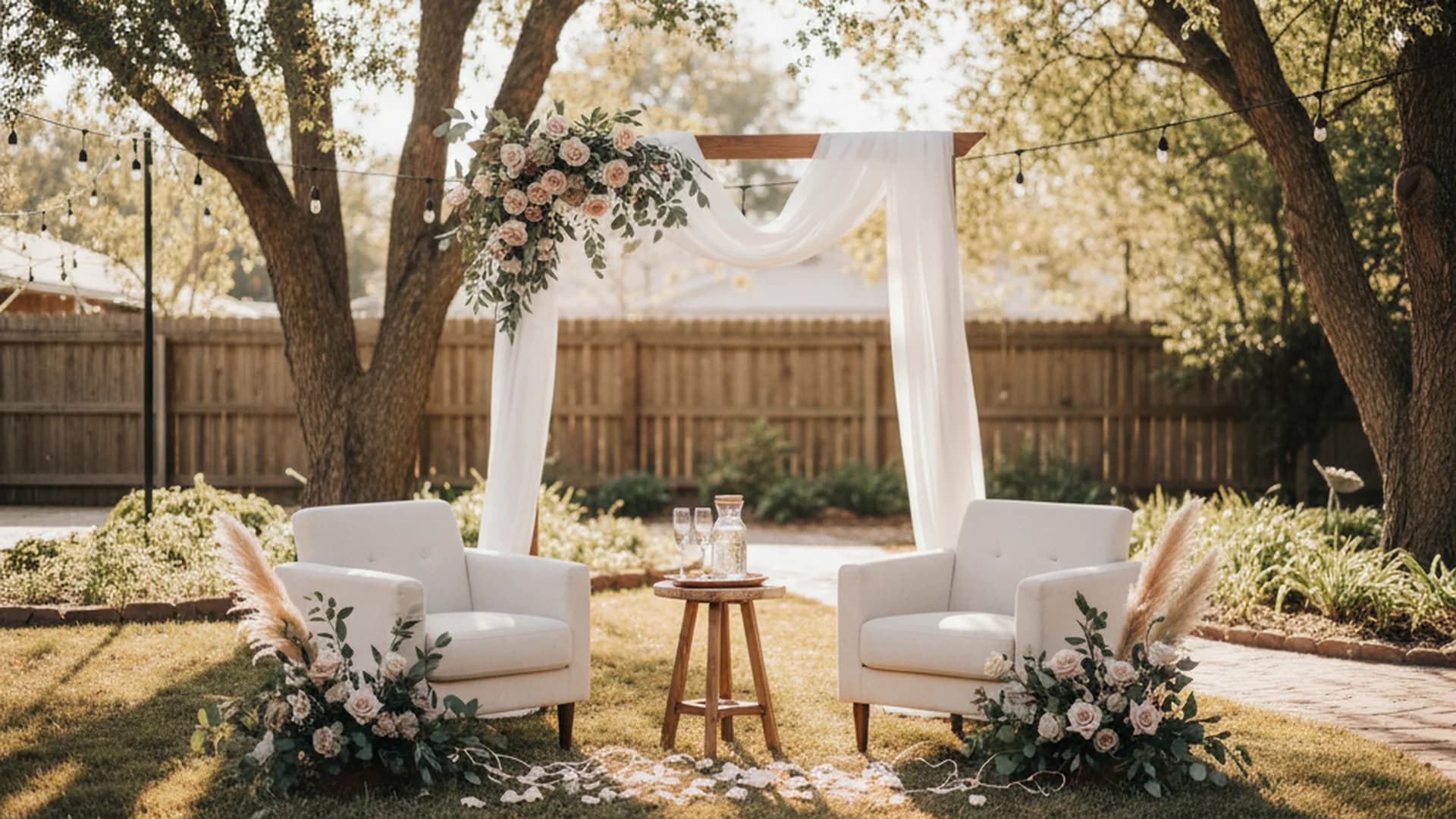
The Ultimate Guide to Planning a Backyard Micro Wedding (2025-2026)
Discover how to plan a refined, high-end backyard micro wedding. Learn about 2025 trends, space requirements, and how to create an intimate guest experience.
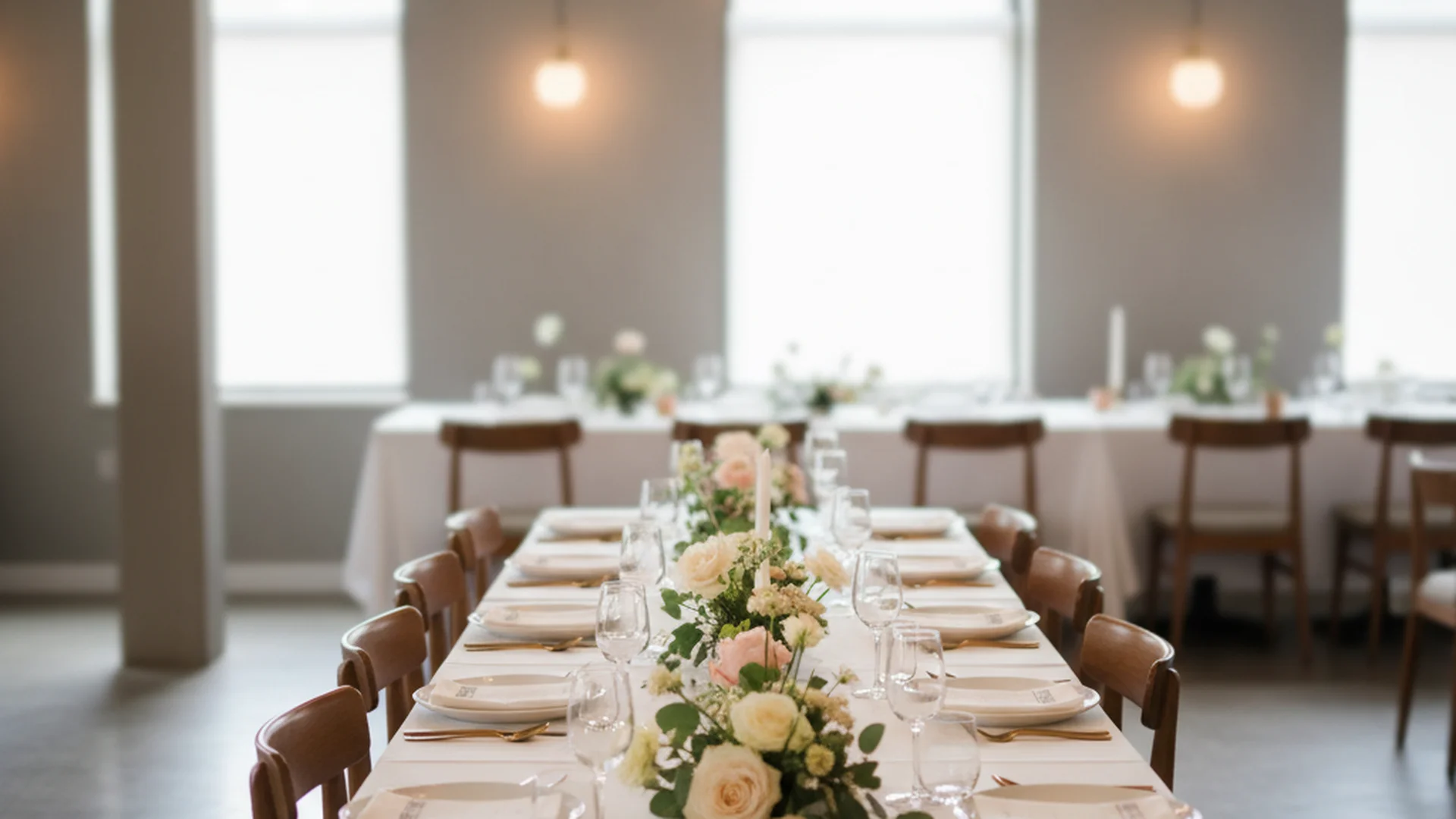
The Ultimate Guide to Planning a Restaurant Micro Wedding in 2025
Discover why the restaurant micro wedding is the top trend for 2025. Learn about costs, buyouts, menu storytelling, and how to host an intimate, high-end celebration.

Mastering Your Micro Wedding Budget: A Complete Guide for 2025-2026
Planning an intimate celebration? Discover the latest micro wedding budget trends, cost breakdowns, and expert tips for a high-end experience on a smaller scale.