Plus One Wedding Etiquette: The Ultimate Guide for 2025 & 2026 Couples
Navigate the complexities of plus one wedding etiquette. Learn who to invite, how to handle guest requests, and modern standards for 2025-2026 celebrations.

- Distinguish between 'Named Guests' and anonymous 'Plus Ones' for better etiquette.
- Apply the 'Consistency Rule' to prevent social friction and guest list bloat.
- Modern etiquette prioritizes long-term partners (6+ months) over 'no ring, no bring.'
Planning a wedding is a beautiful journey, but it often comes with a side of logistical stress—none more prevalent than plus one wedding etiquette. As you sit down with your partner to curate your guest list, you aren’t just choosing who you want to witness your vows; you are managing budgets, venue capacities, and complex social dynamics. In 2025 and 2026, the rules of engagement are shifting. Couples are no longer bound by the rigid traditions of the past, yet they face new pressures from rising costs and the desire for more intimate, "meaningful" celebrations.
As a relationship counselor, I often see couples struggle with the guilt of excluding certain people. However, understanding the modern standards of wedding guest etiquette can empower you to make decisions that honor your relationships without breaking your bank account.
The New Landscape of Wedding Planning (2025–2026)
The current wedding climate is defined by what experts call the "Intimacy Paradox." While 2026 couples are prioritizing smaller, more intentional gatherings, guest lists are still averaging around 100 to 115 people. This tension is largely driven by the financial reality of modern hosting.
The cost per guest has risen sharply, often landing somewhere around $250 to $300 a head. When you consider that total wedding costs are currently averaging between $33,000 and $36,000, every single "plus one" represents a significant investment. This has led to the rise of the "No Stranger" policy, where couples feel more comfortable only inviting partners they have personally met or who have been in the guest's life for a substantial amount of time.
The "Plus One" vs. "Named Guest" Distinction
One of the most common misconceptions in plus one wedding etiquette is the terminology itself. To plan effectively, you must understand the difference:
- Named Guest: This is someone in a serious relationship with your primary guest. Their name should appear on the invitation (e.g., "Ms. Sarah Jones and Mr. Mark Evans"). They are not a "plus one"; they are an invited guest in their own right.
- Plus One: This is an anonymous invitation extended to a single guest, allowing them to bring any date of their choosing. This is usually addressed as "Ms. Sarah Jones and Guest."
Tip
The "Must-Invite" List: Who Always Gets a Date?
While you have the final say over your guest list, traditional etiquette (and modern social grace) suggests that certain categories of guests should always be offered a companion. Ignoring these standards can lead to hurt feelings and even declined invitations—many guests are simply more likely to attend if they are granted a plus one.
1. Married, Engaged, and Cohabiting Couples
This is the gold standard of complete guide to wedding etiquette. If a couple is married, engaged, or living together, they are a social unit. Splitting them up is considered a major faux pas. Even if you have never met the partner, they should be included as a named guest.
2. The Wedding Party
Regardless of their relationship status, every member of your wedding party should be offered a plus one. These individuals are investing significant time, emotion, and money into your big day. Most etiquette experts agree that a plus one is a necessary "thank you" for their commitment.
3. Long-Term Partners (The Six-Month Rule)
The old "no ring, no bring" rule is officially dead. In 2025, many committed couples choose not to marry or wait several years to do so. The new standard for a "serious" relationship is typically 6 to 12 months of dating. If they are a consistent presence in your friend's life, they should be on the list.
4. The "Solo Traveler" Exception
If you have a guest who is traveling from overseas or a long distance and won't know anyone else at the wedding, a plus one is highly recommended. It is a big ask to have someone navigate travel, hotels, and a formal event entirely alone.
Note
Modern Trends Shifting Plus One Rules
As we look toward the 2026 wedding season, several new trends are emerging that allow couples to be more flexible with their guest lists.
The Digital Invitation Shift
A growing number of 2026 couples are turning to digital invitations. This makes managing plus ones significantly easier. Modern wedding websites allow you to use "Digital RSVP Barriers," where the system only allows a guest to RSVP for the number of seats you have specifically allocated to them. This prevents the awkward "write-in" plus one.
Late-Night Plus Ones
A creative solution for the budget-conscious couple is the "After Party" plus one. In this scenario, single guests are invited to the ceremony and formal dinner alone, but are told they are welcome to bring a date to the late-night dancing and drinks. This honors the friend's social life without the steep per-plate dinner cost.
Inclusive Wording
We are seeing a move away from "Mr. & Mrs." on envelopes. To be inclusive of queer, non-binary, and modern couples, 2025 trends favor using full names (e.g., "Alice Smith and Jordan Taylor") or simply "The [Name] Family."
| Guest Category | Plus One Requirement | Reasoning |
|---|---|---|
| Married/Engaged | Mandatory | They are a social unit. |
| Cohabiting | Mandatory | Living together implies a serious commitment. |
| Wedding Party | Highly Recommended | A gesture of gratitude for their service. |
| Dating < 6 Mos | Optional | Relationship may still be in early stages. |
| Traveling Guest | Recommended | Increases comfort and attendance rates. |
Real-World Examples of Plus One Dilemmas
Example 1: The New Relationship
Your college roommate started dating someone three months before your wedding. According to the "Six-Month Rule," you aren't strictly obligated to invite them. However, if they are your only friend from college attending, providing a plus one ensures they have a good time and stay for the duration of the event.
Example 2: The "B-List" Strategy
If your venue has a hard cap of 100 people and your "must-invites" hit 95, you may not have room for plus ones initially. Use a "B-List." As "no" RSVPs come in from your A-list (typically 10-20% of guests), you can then reach out to your single friends and extend a plus one invitation.
Example 3: The Work Friend
You invite three colleagues who all know each other well. In this case, you can safely omit plus ones because they have a built-in social group at the table. This is a common way to manage wedding gift etiquette and costs without causing social isolation.
Heads up
From the OurVows workspace
Planning a wedding is a lot. We make it feel like less.
Checklist, budget, guest list, and a wedding website — together in one free workspace built for both of you.
Wording Guide: How to Communicate Your Policy
Communication is the best way to prevent drama. Be clear on your Save-the-Dates and your wedding website.
On the Invitation Envelope:
- For a couple: "Ms. Sarah Jones and Mr. Mark Evans"
- For a single guest with a date: "Ms. Sarah Jones and Guest"
On your Wedding Website FAQ: If you need to limit plus ones, use a polite but firm script: "Due to the intimate nature of our venue and strict capacity limits, we are only able to accommodate the guests specifically listed on your invitation. We can’t wait to celebrate with our closest friends and family!"
Do this
Common Mistakes to Avoid
- The "No Ring, No Bring" Rule: As mentioned, this is outdated. Ignoring a partner of five years just because they aren't married is a quick way to strain a friendship.
- Inconsistency: This is the biggest source of wedding drama. If you give one cousin a plus one but not another who is in a similar relationship stage, you will hear about it. Apply the same rule to everyone in a specific "tier" (e.g., all cousins, all coworkers).
- Ignoring the Distance: Forcing someone to fly across the country and attend a multi-day event alone is a high barrier to entry. If you can't offer a plus one, don't be offended if they decline.
- Failing to Name the Partner: It takes two minutes to find out a partner's name. Doing so shows you value the guest and their life outside of your friendship.
Frequently asked questions
Do I have to give every single guest a plus one?
Should I include plus ones on the Save-the-Date?
What if a guest asks for a plus one after I’ve sent the invite?
Can I offer a plus one only to guests who won't know anyone else?
Is it okay to use a "No Stranger" policy?
Conclusion
At the end of the day, plus one wedding etiquette is about balance. You are balancing your budget and venue constraints with the comfort and happiness of your guests. While the high per-guest cost is a reality, remember that your wedding is a celebration of love and community.
By applying the consistency rule, staying updated on modern standards, and communicating clearly, you can build a guest list that feels both responsible and inclusive. Whether you are following a 12 month wedding planning checklist or are in the final countdown, stand firm in your decisions while remaining empathetic to your guests' experiences.
Do this
Ready when you are
Ready to Start?
Use our tools to manage your guest list and budget with ease.
Ready when you are
Plan your wedding without the chaos.
Free forever for couples just getting started. Two minutes to set up. No credit card.
Keep reading

Wedding Cash Gift Etiquette: The Modern Guest Guide for 2025-2026
Master wedding cash gift etiquette for 2025-2026. Learn how much to give, cultural nuances, and modern rules for honeymoon funds and digital gifting.
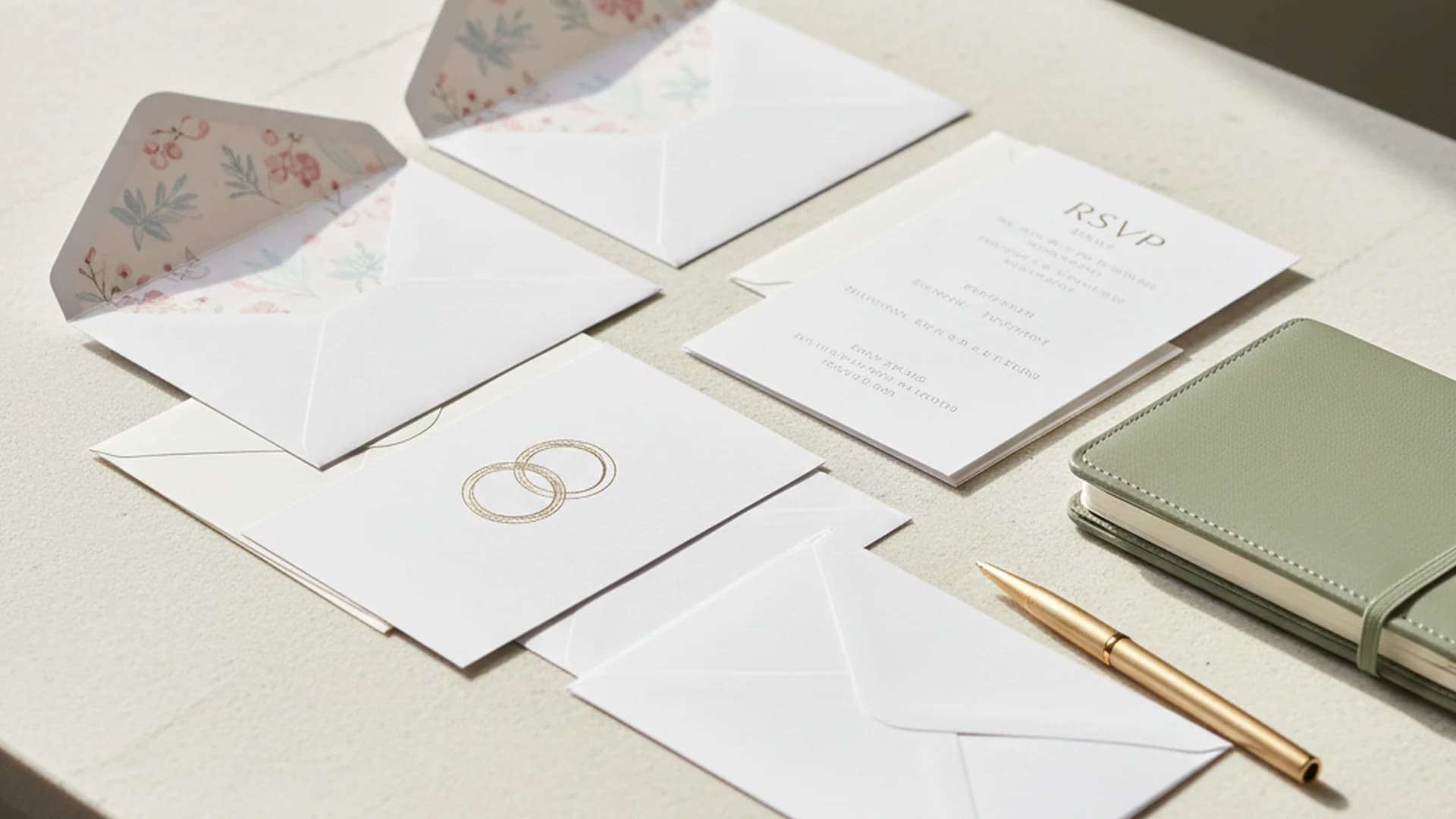
Modern Wedding RSVP Etiquette: The Complete Guide for 2025–2026
Master wedding RSVP etiquette for the 2025–2026 season. Learn about digital trends, response deadlines, and how to handle plus-one requests with grace.
Mastering the Black Tie Wedding Dress Code: The Complete 2025–2026 Guide
Navigate the Black Tie wedding dress code with confidence. Discover 2025 trends, tuxedo requirements, and expert etiquette tips from Dr. Julian Kwong.