The Ultimate Mountain Elopement Guide: Planning Your 2025-2026 Adventure
Planning a mountain elopement? Our 2025 guide covers costs, top locations like Aspen and Yosemite, permits, and expert tips for a perfect high-altitude ceremony.
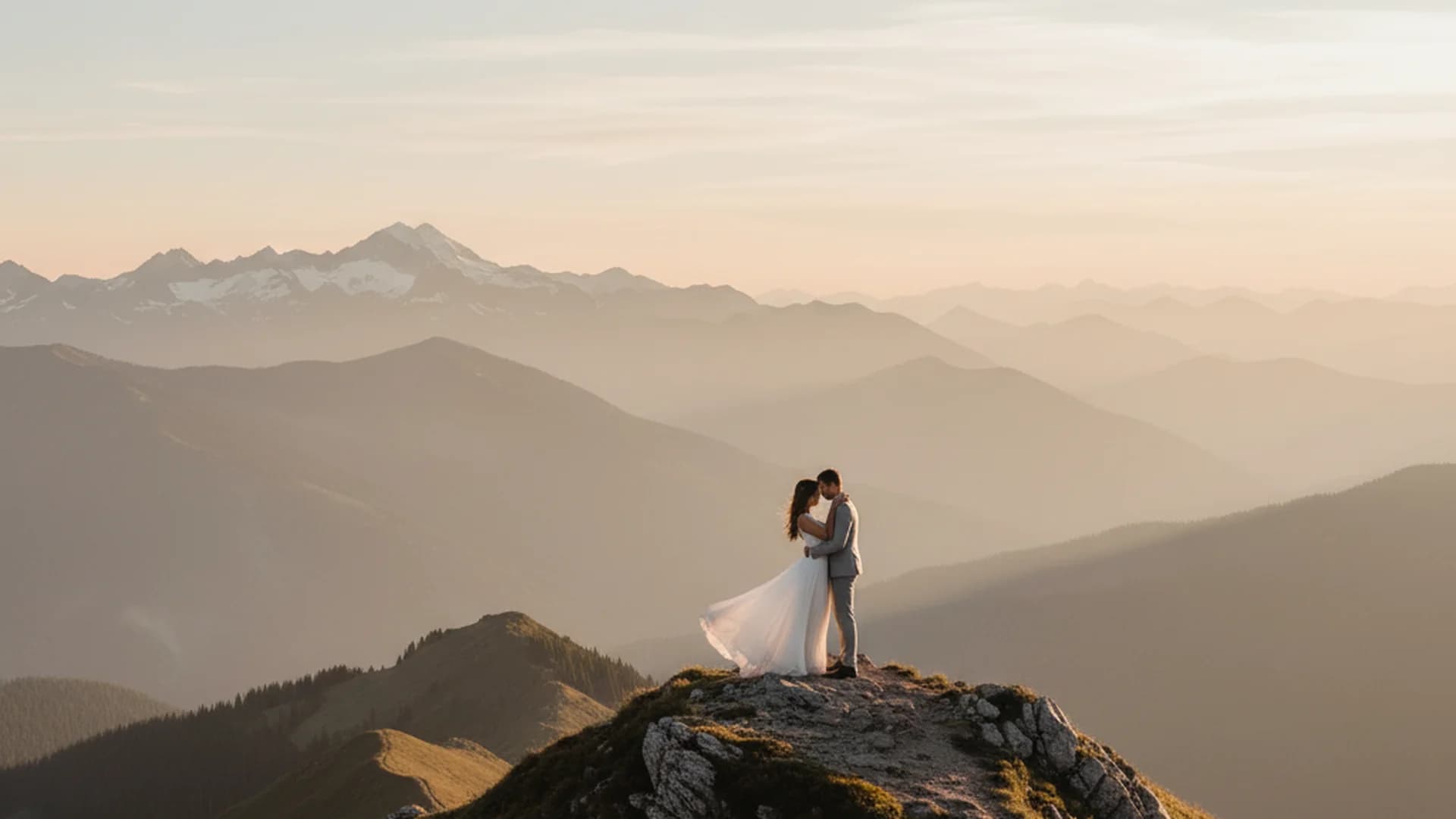
- Mountain elopements cost significantly less than traditional weddings, averaging around $4,500.
- Success depends on understanding permits, "Leave No Trace" ethics, and high-altitude logistics.
- Emerging 2025 trends include multi-day experiences and "Western Chic" aesthetics.
There is something inherently cinematic about exchanging vows at 10,000 feet, where the only guests are the whistling wind and perhaps a curious marmot. If you’ve found yourself here, chances are the thought of a 300-person ballroom wedding makes you want to hide under your duvet. You aren't alone. As more couples prioritize authenticity over centerpieces, this mountain elopement guide will walk you through the breathtaking—and sometimes logistically dizzying—world of high-altitude "I dos."
Why Choose a Mountain Elopement?
The shift toward smaller, more intimate ceremonies isn't just a fleeting trend; it’s a movement. Data shows that the global elopement market is projected to grow steadily through 2030. But why are couples ditching the banquet hall for the trailhead?
Many couples choose to elope to avoid the crushing stress of large-scale wedding planning. Others are motivated by the financial freedom that comes with a smaller guest count. When you choose a mountain setting, you aren't just saving money—you’re investing in an experience. Most couples who elope choose natural settings, with mountain ranges being a top pick for those seeking a mix of grandeur and intimacy.
Tip
Budgeting for Your Adventure
While eloping is generally more affordable than a traditional wedding (which often exceeds $30,000), it isn't "free." A typical mountain elopement costs between $2,000 and $15,000. The range depends heavily on whether you’re hiking in solo or booking a luxury A-frame cabin with a private chef.
| Expense Category | Estimated Cost (Low) | Estimated Cost (High) |
|---|---|---|
| Marriage License | $30 | $100 |
| Permits | $50 | $300 |
| Photography | $2,500 | $8,000 |
| Attire | $500 | $2,000 |
| Travel/Lodging | $1,000 | $4,000 |
If you're looking to keep things strictly under a certain threshold, check out our guide on the $5000 Wedding Budget for more breakdown ideas.
Top Mountain Elopement Locations for 2025
Choosing the right peak is about more than just the view; it’s about accessibility and legal requirements. Here are the most sought-after destinations for the upcoming seasons:
1. Rocky Mountain National Park, Colorado
Colorado remains the "capital" of elopements for one major reason: self-solemnization. This means you can legally marry yourselves without an officiant or witnesses. You can even have your dog "sign" the license with a paw print.
2. Yosemite National Park, California
Yosemite offers some of the most iconic granite backdrops in the world. For a deeper dive into planning a ceremony in the Golden State, see our California Destination Wedding Guide.
3. Glacier National Park, Montana
Known for its rugged, untouched beauty, Glacier is perfect for couples who want a truly "wild" feel. However, permits here are limited and highly competitive, so plan at least a year in advance.
4. Aspen, Colorado
If you want the "Private Cabin" vibe with a touch of luxury, Aspen provides high-end amenities alongside world-class hiking trails.
Note
Essential Logistics: Permits and Legality
One of the biggest misconceptions in this mountain elopement guide is that you can just show up and start a ceremony. To stay on the right side of the law (and the park rangers), you need to handle the paperwork.
- Marriage Licenses: You must obtain a license in the state where the ceremony takes place.
- Officiants and Witnesses: States like Colorado require none, while others (like California or Montana) usually require an officiant and one or two witnesses.
- Special Use Permits: These allow you to hold a ceremony on public land. They often specify the exact location, time, and number of guests allowed.
Heads up
From the OurVows workspace
Planning from a distance?
A checklist tuned to your date, a shared budget, and a website your guests will actually use.
2025 and 2026 Elopement Trends
The world of elopements is evolving. We are moving past the "just a quick hike" phase and into curated, intentional experiences.
The Private Cabin Vibe
Couples are increasingly moving away from grueling all-day hikes. Instead, they are booking luxury A-frames or secluded mountain cabins. The plan? Get ready in a beautiful space, exchange vows on the deck with a mountain view, and host a private chef for a three-course dinner.
Multi-Day Experiences
Why settle for four hours when you can have forty-eight? The "wedding weekend" elopement is huge for 2025.
- Day 1: Private vow exchange at a remote summit.
- Day 2: A 4x4 adventure or group hike with a small circle of friends.
Western Chic Aesthetic
Cowboy boots, felt hats, and fringe jackets are dominating the mountain scene. This "Western Chic" look pairs perfectly with the rugged terrain of the Tetons or the High Sierras.
Nostalgic and Celestial Media
Couples are trading polished, "perfect" photos for Super 8 film and documentary-style photography. Additionally, "Celestial Elopements"—ceremonies planned around meteor showers or the Northern Lights—are becoming the ultimate "bucket list" wedding.
Do this
Best Practices for the High Country
Prioritize "Leave No Trace" (LNT)
The mountains are fragile. Stay on designated trails, pack out every scrap of trash, and never use confetti or "real" flower petals (which can introduce invasive species).
Timing and the "Golden Hour"
In the mountains, timing is everything. Sunrise is often the best choice for high-altitude locations like the Rockies to avoid the common afternoon thunderstorms. Plus, you’ll get the "Golden Hour" light without the crowds.
Dress for the Terrain
- Footwear: Do not attempt to hike in stilettos. Wear broken-in hiking boots for the trek and switch to your wedding shoes once you reach the ceremony spot.
- Layers: High-altitude temperatures can drop 30 degrees the moment the sun dips behind a peak. Pack base layers and a stylish jacket.
Tip
Common Mistakes to Avoid
Even the most well-intentioned couples can hit some rocky patches (pun intended) when planning a mountain wedding.
1. Ignoring the "Shoulder Season"
A common mistake is planning a "Spring" wedding for May in the mountains. In high-altitude areas, May is still winter. You might find your dream trail buried under 10 feet of snow. In the mountains, "Spring" doesn't truly arrive until July.
2. Underestimating Altitude Sickness
If you’re traveling from sea level to 10,000 feet, your body needs time to adjust. Arrive at least two days early to acclimate. Drink twice as much water as you think you need and go easy on the champagne until after the vows.
3. No Backup Plan (Plan B)
Mountain weather is notoriously erratic. Wildfires, sudden blizzards, or mudslides can close roads in an instant. Always have a "Plan B" location, or ensure your Airbnb has a view good enough to serve as a ceremony backdrop.
4. Treating it Like a Photoshoot
Don't let the camera dictate your day. Build in "buffer time" to simply sit, look at the view, and soak in the moment without the shutter clicking.
| Mistake | Consequence | Prevention |
|---|---|---|
| Late Start | Afternoon Storms | Aim for Sunrise |
| Wrong Shoes | Blisters/Falls | Wear Hiking Boots |
| No Permit | Fines/Ejection | Research 6 Months Early |
Frequently asked questions
Is an elopement legally binding?
Do we need an officiant or witnesses?
Can we bring our dog?
How many guests can we have?
What should we do about mountain weather?
Final Thoughts
A mountain elopement is more than just a ceremony; it’s an adventure that reflects the resilience and beauty of your relationship. By focusing on the "Leave No Trace" principles, respecting the power of high-altitude environments, and leaning into modern trends like the "Private Cabin" vibe, you can create a day that feels entirely your own.
If you’re ready to narrow down your dream spot, check out our list of the Best Places to Elope for more global inspiration.
Do this
Ready when you are
Ready to Start?
Begin your mountain elopement journey today with our custom planning tools.
Ready when you are
Plan your wedding without the chaos.
Free forever for couples just getting started. Two minutes to set up. No credit card.
Keep reading

How to Plan an Elopement: The Ultimate 2025-2026 Guide
Learn how to plan an elopement in 2025-2026. From budget tips and permits to tiered celebrations, discover how to create an intentional, authentic wedding experience.
The Ultimate Guide to a Santorini Destination Wedding: 2025-2026 Edition
Planning a Santorini destination wedding? Discover costs, legal requirements for 2025-2026, the best venues, and expert tips for an iconic Greek island celebration.

The Ultimate Nashville Destination Wedding Guide: 2025-2026 Edition
Plan the perfect Nashville destination wedding with expert advice on venues, legal requirements, 2025 trends, and budgeting for the Music City experience.