Jewel Tone Wedding Colors: The 2025-2026 Guide to Bold Elegance
Discover why jewel tone wedding colors are the top trend for 2025 and 2026. Learn how to style emerald, sapphire, and ruby for a luxurious, maximalist celebration.
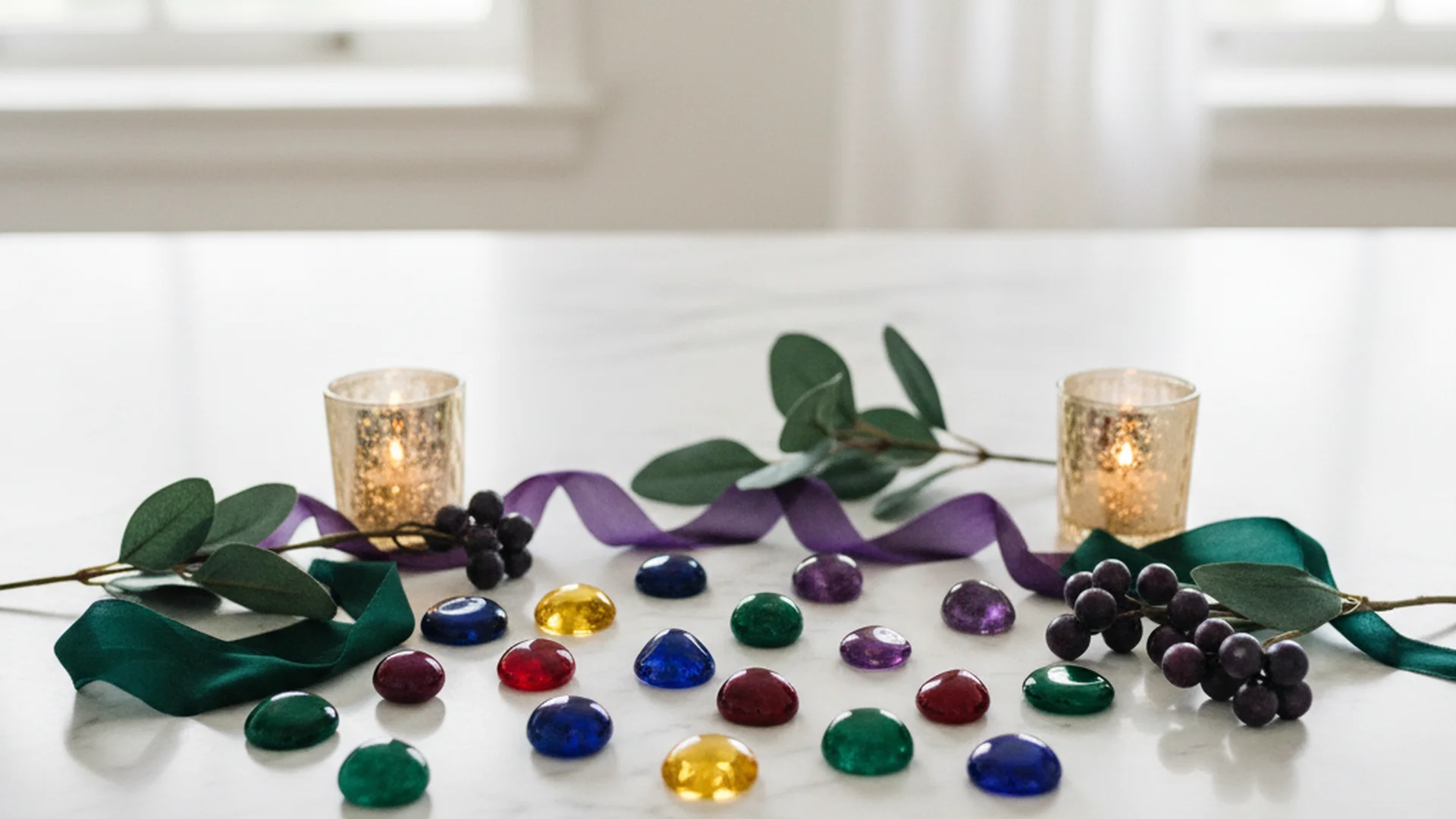
- Jewel tones are shifting from seasonal favorites to year-round staples for 2025 and 2026.
- The "3+1 Rule" is essential for balancing bold saturated hues with metallic accents.
- Incorporating texture like velvet and satin prevents deep colors from looking flat in photography.
For years, the wedding industry was dominated by "sad beige," muted pastels, and the ubiquitous "millennial pink." But as we move into 2025 and 2026, the tide is turning toward a more vibrant, emotionally resonant aesthetic. Jewel tone wedding colors are emerging as the definitive choice for couples who want to embrace maximalist expression and bold elegance. These colors don't just sit in the background; they command attention, evoke a sense of heritage, and provide a high-contrast backdrop that makes every moment feel like a work of art.
As a relationship counselor, I often see how a couple’s design choices reflect their shared personality. Moving toward jewel tones often signals a desire for a wedding that feels "grounded" yet "regal"—a perfect metaphor for a solid partnership. Whether you are dreaming of a moody winter gala or a vibrant summer soirée, these gemstone-inspired hues offer a level of sophistication that lighter palettes simply cannot match.
Defining the Jewel Tone Palette
Jewel tones are defined by their deep, rich saturation. They are designed to mimic the natural brilliance of precious gemstones. Unlike primary colors, which can sometimes feel elementary, jewel tones have a "shadow" quality that gives them depth and luxury.
The Core Gemstone Hues
- Emerald (The Anchor): A lush, deep green that symbolizes growth and renewal. It is currently the most sought-after jewel tone for 2025.
- Sapphire (The Classic): A regal, midnight blue that offers a more sophisticated alternative to traditional navy.
- Ruby (The Romantic): A passionate, deep red that brings immediate warmth and energy to a room.
- Amethyst (The Creative): A plummy, saturated purple that feels both mystical and high-end.
- Citrine and Amber (The Glow): Deep yellows and burnt oranges that provide the "light" within a dark palette.
- Teal and Topaz (The Modernist): These sit between blue and green, offering a cool, contemporary edge.
Note
Seasonal Adaptability: Jewel Tones Year-Round
A common misconception is that jewel tone wedding colors are strictly for fall or winter weddings. While they certainly thrive in the colder months, they are surprisingly versatile when styled correctly for the spring and summer seasons.
Jewel Tones in Spring and Summer
To make these deep colors work in warmer months, the secret lies in the "Citrus Fusion" trend. Instead of pairing Emerald with heavy wood, pair it with Tangerine or Lemon. If you love Sapphire, consider accents of Peach or Coral to soften the look.
- Fabric Choice: Switch from heavy velvets to silk, chiffon, or organza. These fabrics allow the jewel tones to catch the light and feel "airy" rather than "heavy."
- Floral Balance: Use a higher ratio of greenery and "breathing room" in your arrangements to prevent the palette from feeling too dense.
Jewel Tones in Fall and Winter
This is where the palette truly shines in its traditional form. The "Jammy" burgundy and plummy purple trends are perfect for 2026 winter weddings.
- Texture Play: This is the time to embrace velvet table runners, suede groomsmen vests, and heavy brocade linens.
- The Glow Factor: Since the sun sets earlier, use candlelight to your advantage. Amber-toned candles specifically bring out the hidden "fire" in Ruby and Amethyst decor.
Tip
2025 vs. 2026: The Trend Forecast
Wedding aesthetics are evolving rapidly. While 2025 is focused on "Bold Elegance," 2026 is moving toward a "Fine-Art" aesthetic that incorporates cooler metals and unexpected color pairings.
| Feature | 2025 Trend: Bold Elegance | 2026 Trend: Fine-Art Aesthetic |
|---|---|---|
| Primary Focus | Monochromatic layering (e.g., all shades of Emerald) | High-contrast "Citrus Fusion" and deep plums |
| Metallic Accent | Yellow Gold and Warm Copper | Silver, Pewter, and Vintage Chrome |
| Floral Style | Lush, rounded bouquets | Sculptural, "weird" blooms (Anthuriums, Calla Lilies) |
| Vibe | Luxury and "Old Money" | Avant-garde and Sleek Modernism |
The Cool-Tone Shift
While gold has been the king of wedding metals for over a decade, we are seeing a significant resurgence of silver and chrome for 2026. This shift creates a sleeker, more "industrial-regal" look. A Sapphire and Silver palette feels incredibly modern and crisp compared to the warmth of Sapphire and Gold.
Do this
Expert Styling Tips for a Jewel-Toned Wedding
To execute this look without it becoming overwhelming or "costume-like," you need to follow a few professional design principles.
The 3+1 Rule
Avoid the "rainbow effect" by selecting a maximum of three primary jewel tones and one metallic accent. For example:
- Emerald (Primary)
- Sapphire (Secondary)
- Teal (Accent)
- Gold (Metallic)
Floral Sculpting
Because jewel tones are so dark, they can sometimes look like a dark "blob" in photos if the flowers are too densely packed. Use "sculptural" flowers with distinct shapes to ensure the colors are defined.
- Anthuriums: Their waxy, heart-shaped leaves come in incredible rubies and teals.
- Orchids: Perfect for deep purples and oranges.
- Calla Lilies: Their elegant, elongated bells provide clear lines in a dark bouquet.
Texture and Lighting
Jewel tones absorb light. If your venue is dimly lit and you use dark linens without any "sheen," the room will feel cave-like.
- Use Satin or Silk: These fabrics reflect light, making the colors "glow."
- Uplighting: Use warm amber uplighting to hit the walls. This creates a "gemstone" effect where the colors feel like they are illuminated from within.
Heads up
From the OurVows workspace
Planning a wedding is a lot. We make it feel like less.
Checklist, budget, guest list, and a wedding website — together in one free workspace built for both of you.
Real-World Examples of Jewel Tone Success
Example 1: The Monochromatic Emerald Garden
A 2025 couple chose to use five different shades of green, from pale mint to the deepest forest Emerald Green Wedding Colors. By sticking to one color family, they created a lush, organic feel that looked incredibly expensive despite staying within a mid-range budget.
Example 2: The "Jammy" Winter Gala
A 2026 trendsetter used "jammy" burgundies paired with plummy purples and—surprisingly—vintage silver candlesticks. The result was a moody, fine-art aesthetic that felt like a Dutch Master’s painting.
Example 3: The Summer Sapphire & Peach
To make jewel tones work for a July wedding, this couple used Sapphire blue bridesmaids' dresses in light chiffon but accented the bouquets with bright peach roses and lemon-yellow ribbons. It was vibrant, sun-drenched, and sophisticated.
Common Mistakes to Avoid
When working with such powerful colors, it is easy to make a few "design detours" that can dampen the overall impact.
- Ignoring the Venue’s Fixed Colors: Before committing to a Teal and Amethyst palette, look at your venue's carpet and curtains. If the ballroom has heavy red drapes and a patterned maroon carpet, your Teal palette will create an accidental "Christmas" vibe. Always choose colors that complement the venue's existing features.
- No "Breathing Room": If every single item—from the napkins to the chairs to the flowers—is a saturated jewel tone, the eye won't know where to rest. You must include a neutral base. Colors like Taupe, "Cloud Dancer" white, or even light grey provide the necessary "breathing room" to let the jewel tones pop.
- Flat Textures: Avoid standard polyester linens in dark colors. They tend to look "flat" and can appear cheap. If you are on a budget, use a neutral tablecloth and splurge on jewel-toned velvet napkins instead.
- Clashing with the Dress: As mentioned before, the "whiteness" of your dress matters. If you are wearing a very cool-toned white, pair it with cool jewel tones (Sapphire, Emerald). If your dress is cream or ivory, it will look stunning against warm tones (Ruby, Amber).
Tip
Frequently asked questions
What exactly are jewel tones?
Can jewel tones work for a summer wedding?
What skin tones look best with jewel tones?
How do I choose between gold and silver accents?
Will jewel tones look too dark in my wedding photos?
Conclusion: Embracing Your Maximalist Era
Choosing jewel tone wedding colors is a brave, beautiful way to celebrate your union. In a world that can sometimes feel muted, opting for the brilliance of Emerald, the depth of Sapphire, or the passion of Ruby shows a commitment to a life filled with color and intensity. These palettes are more than just a trend; they are a return to elegance and a celebration of "more is more."
As you begin your planning journey, remember to keep the "3+1 Rule" in mind and don't be afraid to mix textures. Whether you are following the 2025 monochromatic trend or looking ahead to the 2026 "Citrus Fusion" look, your wedding will undoubtedly be remembered for its rich, immersive beauty.
Do this
Ready when you are
Start Planning Your Palette
Organize your wedding colors and more with our comprehensive planning tools.
Ready when you are
Plan your wedding without the chaos.
Free forever for couples just getting started. Two minutes to set up. No credit card.
Keep reading
The Sophisticated Guide to Muted Wedding Colors: Timeless Elegance for 2025-2026
Discover the art of muted wedding colors. Learn how to use desaturated tones, dusty hues, and earthy palettes to create a sophisticated, timeless aesthetic.
The 2025 Guide to Neutral Wedding Colors: Beyond Basic Beige
Explore the sophisticated world of neutral wedding colors. Learn how to layer textures, incorporate 2025 trends, and create a timeless, multi-dimensional palette.
Mauve Wedding Colors: The Ultimate Guide for 2025–2026 Couples
Explore mauve wedding colors for 2025-2026. Learn about the 'Mocha Mousse' trend, floral selections, and how to style this sophisticated shade for any season.