The Ultimate Italy Destination Wedding Guide: Planning Your 2025-2026 Celebration
Planning a wedding in Italy? This 2025-2026 guide covers costs, legal requirements, top regions like Tuscany and Sicily, and expert planning tips for your big day.
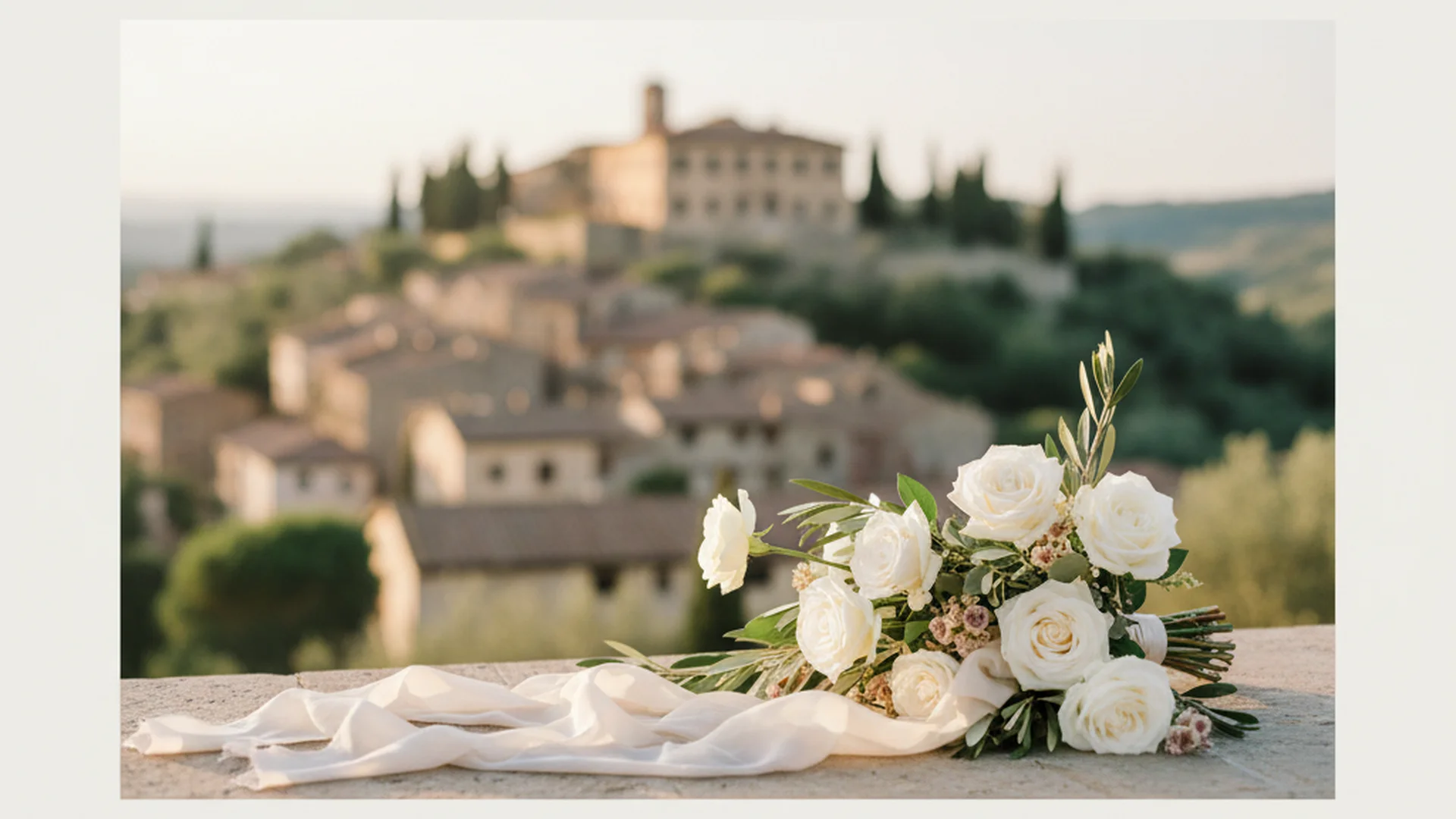
- Italy remains a global leader with over 15,000 foreign weddings annually.
- Symbolic ceremonies are the most popular choice for avoiding complex paperwork.
- New 2025 travel requirements like ETIAS will affect US and UK guests.
Italy is more than just a country; it is a feeling. From the sun-drenched lemon groves of Sorrento to the misty, romantic shores of Lake Como, it’s no wonder that thousands of couples choose this Mediterranean paradise for their nuptials every year. If you are starting your journey, this Italy Destination Wedding Guide will serve as your comprehensive roadmap to navigating the logistics, costs, and cultural nuances of saying "I do" in the land of La Dolce Vita. As a relationship counselor, I often see how the shared adventure of a destination wedding can strengthen a couple's bond, provided the planning process is handled with care and foresight.
The State of Destination Weddings in Italy (2025-2026)
Italy continues to dominate the global market for international weddings. In 2024 alone, the country hosted approximately 15,100 foreign weddings, generating nearly a billion euros in direct revenue. This surge in popularity means that the landscape is more competitive than ever.
The "boom" isn't just in the number of weddings but in their scale. While intimate elopements remain popular, the 2025 and 2026 seasons are seeing a massive trend toward larger events with over 100 guests. Couples are no longer just flying in for a quick ceremony; they are hosting multi-day "experiences" that immerse their loved ones in Italian culture.
Understanding the Investment
When planning, it is vital to have a realistic grasp of the financial landscape. While Italy offers options for various price points, the "Italy tax"—the premium paid for world-class views and historic venues—is real.
| Category | Estimated Cost (50-80 Guests) | Common Inclusions |
|---|---|---|
| Mid-Range | €30,000 – €50,000 | Boutique farmhouse, local catering, standard floral |
| Luxury | €80,000 – €180,000+ | Private villa, designer decor, top-tier entertainment |
| Venue Only | €3,000 – €50,000+ | Rental fee only (varies by region/prestige) |
Note
Choosing Your Italian Backdrop: Region Highlights
Every region in Italy offers a distinct "flavor." Choosing the right one depends on your aesthetic preferences and the atmosphere you want to create for your guests.
1. Tuscany: The Classic Choice
Tuscany remains the #1 destination for a reason. Its rolling hills, cypress-lined driveways, and historic borghi (hamlets) provide a quintessential Italian feel. If you are looking for a rustic yet refined celebration, a vineyard wedding in Chianti is unbeatable.
2. Lake Como and the North: Pure Elegance
For those seeking high-end luxury and Hollywood-style glamour, Lake Como is the pinnacle. The northern regions offer cooler temperatures and dramatic Alpine backdrops. However, popular venues here often book up to two years in advance.
3. The Amalfi Coast: Coastal Romance
Dramatic cliffs and azure waters define the Amalfi Coast Destination Wedding experience. It is breathtakingly beautiful but requires careful logistical planning due to narrow roads and steep inclines.
4. The "New" South: Sicily and Puglia
For 2026, we are seeing explosive growth in Puglia and Sicily. These regions offer an "undiscovered" feel, incredible seasonal food, and a more relaxed, authentic atmosphere. Puglia’s masseria (fortified farmhouses) are perfect for couples who want a blend of history and modern minimalism.
Tip
Legal vs. Symbolic: Navigating the Paperwork
One of the most frequent questions in any Italy Destination Wedding Guide is whether the marriage will be legally binding. The answer is yes—but it requires work.
The Symbolic Ceremony (The Popular Choice)
Most couples now choose a symbolic ceremony. You handle the legal "paperwork" in your home country before or after the trip, and then hold a beautiful, personalized ceremony in Italy. This avoids the need for translated documents and meetings at the local town hall.
The Civil or Religious Ceremony
If you want your Italian wedding to be your legal wedding, you have two main paths:
- Civil Ceremony: Held in a town hall (Comune) or a venue licensed by the government.
- Catholic Ceremony: Italy is home to some of the world's most beautiful churches. A Catholic wedding is legally binding if you complete both the religious and civil requirements.
Heads up
Planning Best Practices for 2025 and 2026
If you want your event to go off without a hitch, follow these expert-vetted strategies.
Secure a Local Wedding Planner
While you might be a master of organization, Italian bureaucracy and the "unspoken rules" of local service are difficult to navigate from abroad. A planner based in Italy has established relationships with vendors and can often secure better pricing or "Plan B" options that aren't listed online.
Do this
Prioritize Guest Logistics
Many Italian venues are secluded. A common mistake is assuming guests can easily call an Uber in the middle of the Tuscan countryside. They can't.
- Shuttle Services: Always provide transportation to and from the venue.
- Travel Buffer: A "20-minute drive" on a map in the Amalfi Coast can take 90 minutes in July traffic. Build in extra time for every movement.
The Three-Day Experience
The modern destination wedding is no longer a single day. The trend for 2025 is a curated three-day itinerary:
- Day 1: Welcome Pizza Party. High-energy, casual, and a great way for guests to mingle.
- Day 2: The Wedding Gala. The main event, featuring a traditional Italian banquet.
- Day 3: Farewell Brunch. A relaxed morning or a private boat tour (especially popular in Lake Como).
From the OurVows workspace
Planning from a distance?
A checklist tuned to your date, a shared budget, and a website your guests will actually use.
Recent Trends to Watch
The world of weddings is evolving, and Italy is at the forefront of several new shifts.
- ETIAS Travel Authorization: Starting in mid-to-late 2025, guests from the US, UK, Canada, and Australia will need to apply for an ETIAS authorization (€7) before entering the Schengen Area. Ensure this is noted on your wedding website!
- Wedding Content Creators: Beyond the traditional photographer, couples are now hiring social media content creators to capture "behind-the-scenes" iPhone footage for immediate sharing.
- Sustainability and "Slow Weddings": There is a move toward organic vineyards, seasonal local flowers, and "0 km" menus to reduce the environmental impact of the event.
- Maximalist Decor: The "all-white" wedding is fading. In 2025, expect bold, saturated colors like cobalt blue, emerald green, and tablescapes overflowing with local fruits like lemons and pomegranates.
Common Mistakes to Avoid
Even the most well-planned weddings can hit snags if you aren't aware of these Italian-specific pitfalls.
1. Ignoring the "300-Day Rule"
Under Italian law, a woman who has been divorced must wait at least 300 days before remarrying in Italy. This is an ancient law designed to avoid paternity disputes. While you can bypass this with a medical certificate of non-pregnancy, it is a hurdle many couples don't see coming.
2. The Summer Heat Trap
July and August in Italy can be punishingly hot, with temperatures often exceeding 40°C (104°F). If you have your heart set on an outdoor afternoon ceremony, your guests will be miserable. The "sweet spots" for Italian weather are May, June, September, and October.
3. Underestimating the "SIAE" Tax
In Italy, if you play music at a private event, you must pay a copyright tax called the SIAE. This fee can range from €200 to €600 depending on the number of guests and the type of music. Many couples forget to budget for this mandatory government fee.
4. Assuming Everything is Cheaper
While wine and certain food items may be less expensive than in the US or UK, Italy has a high Value Added Tax (VAT/IVA) of 22% on many services. Always ask if your quotes include "IVA" to avoid a 22% surprise on your final bill.
Frequently asked questions
How far in advance should we start planning?
Do we need a local wedding planner?
Can same-sex couples get married in Italy?
What happens if it rains?
Is it cheaper to have a wedding in Italy?
Conclusion
Planning a wedding in Italy is an exercise in patience, passion, and preparation. By choosing the right region, understanding the legal nuances, and respecting the local pace of life, you can create an experience that you and your guests will cherish for a lifetime.
As you embark on this journey, remember that the goal isn't just a perfect photo—it's the beginning of a new chapter in your relationship. If you're feeling overwhelmed, take a step back and look at the broader picture of your celebration. For more inspiration on international nuptials, read our Complete Guide to Destination Weddings and Elopements.
Do this
Ready when you are
Ready to Start?
Begin planning your dream Italian wedding with our free tools.
Ready when you are
Plan your wedding without the chaos.
Free forever for couples just getting started. Two minutes to set up. No credit card.
Keep reading

How to Plan an Elopement: The Ultimate 2025-2026 Guide
Learn how to plan an elopement in 2025-2026. From budget tips and permits to tiered celebrations, discover how to create an intentional, authentic wedding experience.

The Ultimate Guide to a Santorini Destination Wedding: 2025-2026 Edition
Planning a Santorini destination wedding? Discover costs, legal requirements for 2025-2026, the best venues, and expert tips for an iconic Greek island celebration.

The Ultimate Nashville Destination Wedding Guide: 2025-2026 Edition
Plan the perfect Nashville destination wedding with expert advice on venues, legal requirements, 2025 trends, and budgeting for the Music City experience.