The Ultimate Guide to Historic Wedding Venues: Timeless Elegance for 2025-2026
Plan your dream wedding in a historic venue. Explore 2025 trends, costs, and expert tips for hosting a celebration in a heritage luxury setting.
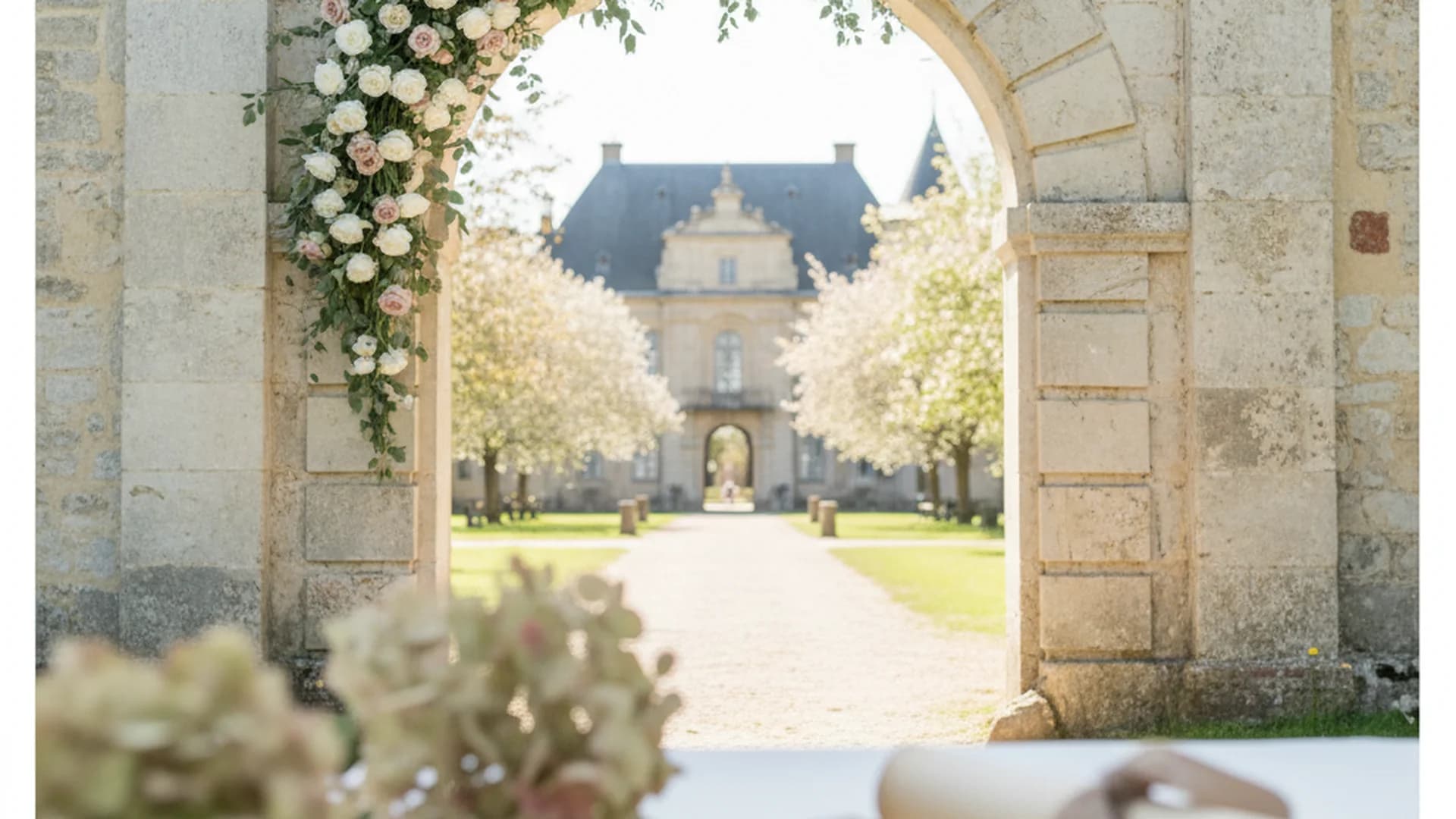
- Historic venues offer "heritage luxury" that modern spaces cannot replicate.
- Expect to spend roughly 40% of your budget ($12,000 on average) for these spaces.
- Lead times for peak dates remain high at 12–18 months.
Choosing a setting for your marriage is about more than just finding a room; it is about finding a soul for your ceremony. For many modern couples, the allure of historic wedding venues lies in their ability to blend timeless romance with architectural grandeur. Unlike "cookie-cutter" modern spaces, a historic venue carries a narrative—one that you join the moment you say "I do."
As we look toward the 2025 and 2026 wedding seasons, the demand for "heritage luxury" and soulful settings is reaching new heights. Whether it is a Gilded Age mansion, a decommissioned library, or a repurposed industrial mill, these venues provide a backdrop that feels both intentional and deeply personal.
The Rising Demand for Heritage Luxury
In an era of digital fleetingness, couples are increasingly seeking permanence. This has manifested in a 29% increase in searches for "stately home" weddings and a staggering 133% surge in interest for the "old money" aesthetic. These aren't just buzzwords; they represent a shift in how couples view their wedding day—less as a one-day party and more as a historical milestone.
As an interfaith wedding officiant, I often see how the architecture of a historic space influences the weight of the ceremony. When you stand beneath vaulted ceilings or amidst centuries-old stone walls, the gravity of your commitment feels amplified by the history surrounding you.
Tip
2025-2026 Trends in Historic Weddings
The coming seasons are defined by a move away from the rustic barn aesthetic (though historic barns remain popular) and toward more sophisticated, structured elegance.
The "Bridgerton" Revival and Regency Style
Regency-inspired weddings have seen a 191% year-over-year increase. This trend prioritizes grand architectural backdrops, abundant florals, and pastel palettes. Historic venues like English-style manors or neoclassical estates are the perfect canvas for this look. Expect to see "maximalist" decor that complements—rather than hides—the ornate crown molding and marble fireplaces of the venue.
Adaptive Reuse: The New Industrial Chic
Couples are moving away from standard warehouses and toward "Adaptive Reuse" spaces. This includes:
- Old Libraries: Perfect for book-loving couples seeking a quiet, intellectual atmosphere.
- Greenhouses/Orangeries: Offering a blend of historic architecture and natural light.
- Decommissioned Train Depots: Providing high ceilings and unique transit-themed history.
- Art Lofts in Historic Districts: Combining 19th-century brickwork with modern gallery aesthetics.
The "Weekend Buyout"
A major shift for 2025 is the 3-day celebration. Instead of a single-day event, couples are "buying out" historic inns or estates for the entire weekend. This allows them to host welcome drinks in a historic parlor, the ceremony in the gardens, and a farewell brunch in the courtyard—all in one location.
Note
The Financial Reality of Historic Settings
While the charm is priceless, the logistics have a clear price tag. On average, couples in 2025 are projected to spend approximately $36,000 on their total wedding, with the venue taking the largest bite at $12,000.
| Expense Category | Average Cost (Historic Venue) | % of Total Budget |
|---|---|---|
| Venue Rental | $10,000 - $15,000 | 40% |
| Catering | $12,000 - $18,000 | 35% |
| Photography | $4,500 | 12% |
| Officiant/Decor | $3,000 | 8% |
Do this
If you are working with a specific budget, you may want to check out our guides for a $10000 Wedding Budget or a $20000 Wedding Budget to see how to allocate funds for a premium venue.
Expert Recommendations for Historic Venues
1. Hire Specialists
Historic buildings have quirks. They may have "dead zones" where your DJ’s wireless mic won't work, or electrical circuits that trip if you plug in too many catering warmers. Always look for vendors—especially photographers and planners—who have experience in historic spaces. They will know how to navigate low-light conditions and delicate flooring.
2. The "Same-Season" Walkthrough
Natural light is the best friend of a historic building. However, a window that looks beautiful in the winter might create a harsh glare in July. Schedule your site visit for the same season and time of day as your wedding. This ensures you see exactly how the light interacts with the stone, wood, and glass.
3. Protect the Integrity of the Site
Most historic venues are protected by conservation trusts or strict board rules.
- Flooring: Use rubber-tipped chairs or felt pads to prevent scratching marble or original hardwoods.
- Lighting: Use architectural uplighting to highlight vaulted ceilings rather than traditional wash lighting which can look "flat" against historic textures.
Heads up
From the OurVows workspace
Planning a wedding is a lot. We make it feel like less.
Checklist, budget, guest list, and a wedding website — together in one free workspace built for both of you.
Real-World Examples of Historic Elegance
To visualize how these spaces work, consider these three common types of historic wedding venues:
- The Gilded Age Mansion: Imagine a grand staircase entrance, mahogany-paneled dining rooms, and a terrace overlooking a manicured lawn. This is the peak of the "Old Money" aesthetic.
- The Textile Mill Loft: High ceilings with exposed heart-pine beams and massive windows. This offers a "soulful" industrial vibe that works perfectly for couples who want a blend of history and modern edge.
- The Decommissioned Library: Rows of leather-bound books and rolling ladders provide a sophisticated backdrop for an intimate interfaith ceremony.
Tip
Common Mistakes to Avoid
The "Blank Canvas" Myth
One of the biggest mistakes couples make is treating a historic venue like a "blank canvas." These venues have strong personalities. If you try to force a hyper-modern, neon-heavy aesthetic into a 19th-century ballroom, the two styles will fight each other. Lean into the venue's history rather than trying to cover it up.
Underestimating Logistical Costs
Older buildings often lack modern infrastructure. You may need to budget extra for:
- Shuttle Services: Many historic sites are in residential areas with zero parking.
- Kitchen Tents: If the building doesn't have a modern catering kitchen, your caterer will charge more to bring in their own equipment.
- Climate Control: Historic HVAC systems can be spotty. Always have a plan for extra fans in the summer or space heaters in the winter.
Neglecting the "Plan B"
We all dream of the garden ceremony, but the indoor backup space in a historic venue is just as important. In some older buildings, the indoor backup might be significantly smaller or have restricted access. Ensure you love the "Plan B" as much as the "Plan A."
Heads up
Frequently asked questions
What are the typical decoration restrictions in historic venues?
Is the venue ADA accessible?
Do we have to use an "Approved Vendor" list?
What are the noise and curfew rules?
Final Thoughts from the Officiant
Planning a wedding in a historic venue is an act of stewardship. You are choosing to support the preservation of history while creating your own. From an officiant's perspective, these spaces offer a "quietude" and a sense of place that makes the ceremony feel grounded and significant.
If you are ready to start your planning journey, I recommend beginning with a 12 Month Wedding Planning Checklist to ensure you secure your dream historic date before the 18-month window closes.
Do this
Ready when you are
Ready to Start?
Use our free tools to plan your historic wedding with ease.
Ready when you are
Plan your wedding without the chaos.
Free forever for couples just getting started. Two minutes to set up. No credit card.
Keep reading
The Ultimate Guide: Essential Questions to Ask Wedding Venue Before Booking
Planning a 2025 or 2026 wedding? Discover the essential questions to ask wedding venue options to avoid hidden costs and ensure your vision comes to life perfectly.
Rustic Wedding Venues: The Ultimate Guide to Farmhouse Chic and Barn Elegance
Discover the top trends, costs, and essential tips for booking rustic wedding venues in 2025-2026. From "Meadowcore" florals to modern farmhouse aesthetics.
The Ultimate Guide to Desert Wedding Venues: 2025-2026 Trends and Logistics
Planning a wedding in the desert? Discover the best desert wedding venues, 2025 aesthetic trends like Desert Disco, and essential logistics for an ethereal celebration.