The Ultimate Guide to Farm Wedding Venues: Trends, Logistics, and Expert Planning for 2025–2026
Discover why farm wedding venues are the top choice for 2025-2026. Learn about "Barefoot Opulence," sustainable trends, and essential planning logistics for your big day.
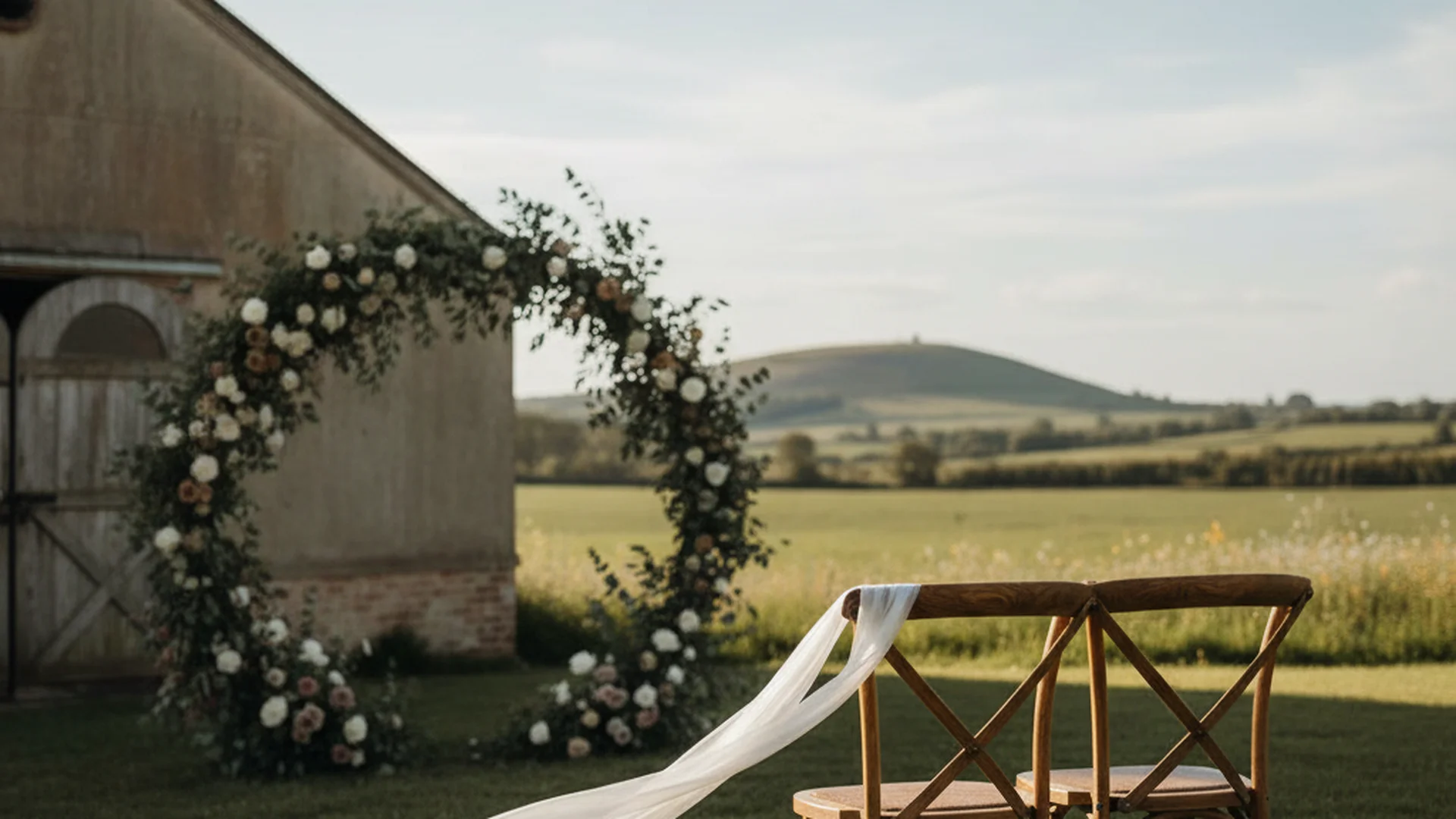
- Farm venues are the second most popular venue type, driven by Gen Z sustainability priorities.
- The 2026 trend "Barefoot Opulence" moves away from DIY rustic toward refined, high-end finishes.
- Hidden costs like power, luxury restrooms, and permits are critical logistical considerations.
Choosing between various farm wedding venues is about more than just finding a picturesque backdrop; it is about embracing a lifestyle and an aesthetic that prioritizes connection, nature, and authenticity. As we look toward the 2025 and 2026 wedding seasons, the appeal of rural settings has evolved. No longer just a "rustic" alternative to a ballroom, today’s farm weddings represent a sophisticated blend of sustainable luxury and intentional design. Whether you are dreaming of a historic barn with soaring ceilings or a modern farmhouse with glass walls, the versatility of these spaces offers a unique canvas for your ceremony and celebration.
The Evolution of Farm Wedding Venues for 2025–2026
The wedding industry is seeing a massive shift in how couples perceive rural celebrations. A growing majority of engaged Gen Z couples now prioritize sustainability and inclusivity when selecting a venue. Farms naturally align with these values, offering low-impact footprints and the ability to source food and florals directly from the land.
Furthermore, the "blank canvas" wedding is becoming a thing of the past. Very few couples now want to start from scratch. Instead, they seek venues that provide a "built-in" aesthetic. Farm venues are the leaders in this category, offering natural wooden beams, rolling hills, and historic architecture that require minimal additional decor to look stunning.
Barefoot Opulence: The New Aesthetic
The "shabby chic" movement of the 2010s—characterized by burlap and mason jars—has officially retired. Entering 2026, the dominant trend is "Barefoot Opulence." This style focuses on refined finishes within a rugged environment. Think gold accents on a reclaimed wood table, black matte hardware, and massive crystal chandeliers hanging from the rafters of a 19th-century barn. It is about the contrast between the organic and the high-end.
Tip
Key Trends Shaping the Future of Farm Weddings
As an interfaith wedding officiant, I have seen firsthand how the "vibe" of a wedding dictates the emotional flow of the day. For the upcoming seasons, several key trends are emerging that help define how couples use these expansive spaces.
Nature-Inspired Palettes
We are moving away from simple white and green. The 2025–2026 palette is deeply rooted in the earth. Trending colors include:
- Sage Green & Olive: Reflecting the surrounding foliage.
- Terra Cotta: Bringing in a Mediterranean or high-desert farm feel.
- Dusty Blue & Eucalyptus: Perfect for late summer or early autumn weddings.
Multi-Day "Slow Weddings"
The one-day event is being replaced by the weekend-long experience. Many farm wedding venues now offer "Slow Wedding" packages. This typically involves:
- Friday: A casual welcome BBQ or farm-to-table rehearsal dinner.
- Saturday: The ceremony and "Barefoot Opulence" reception.
- Sunday: A farewell brunch featuring eggs and produce grown on-site.
This approach allows guests to truly settle into the environment, rather than rushing through a six-hour window.
Biophilic Design
Biophilic design is the practice of connecting people and nature within built environments. In 2026, this looks like "living walls" inside barns, hydroponic floral displays that appear to be growing out of the floor, and an indoor-outdoor "flow" where the reception space feels like an extension of the meadow or forest.
Note
Essential Logistics: What the Brochure Won't Tell You
While the photos of a sunset over a cornfield are breathtaking, the logistics of a farm wedding are significantly more complex than those of a hotel ballroom.
The "Flat Ground" Rule
One of the most common issues at rural sites is uneven terrain. When you tour a farm, pay close attention to the ceremony site and where the marquee (tent) will go. "Wobbly chairs" are a nightmare for guest comfort and can even be a safety hazard for elderly family members. Ensure the venue has a dedicated, leveled area for high-traffic moments.
Power and Infrastructure
Standard agricultural power is rarely sufficient for a modern wedding. Between the DJ's high-voltage speakers, the caterer's portable ovens, and the elaborate lighting rigs, you can easily blow a fuse.
Heads up
The "Plan B" Requirement
The number one concern for any farm wedding is rain. Expert venues no longer just offer a "tent in a field" as a backup. They offer high-quality secondary structures or "Plan B" barns that feel like a primary choice, not an afterthought. When selecting among farm wedding venues, ask to see photos of a wedding that actually took place in the rain to see how the transitions were handled.
Expert Recommendations for a Seamless Day
To ensure your farm wedding is as smooth as it is beautiful, follow these best practices curated from years of ceremony design.
Farm-Friendly Catering
A formal five-course plated meal often feels out of place in a barn. Instead, opt for "Family Style" or "Social Dining." Large sharing platters placed in the center of the table encourage guests to interact and fit the communal, relaxed vibe of a rural setting. It also celebrates the "farm-to-table" ethos that many of these venues promote.
Strategic Footwear
Your guests will thank you if you are proactive about the terrain.
- The Invitation: Mention "grass-friendly footwear" or "block heels" on your wedding website.
- The Heel Station: Provide a basket of "heel protectors" (small plastic caps that prevent stilettos from sinking into the mud) or even a flip-flop station for the dance floor.
The "Golden Hour" Shoot
Farms offer some of the best natural light available. Work with your photographer to time your ceremony so that your "just married" photos coincide with the 20 minutes before sunset. This is what photographers call the "hero shot," and in a farm setting, the golden light hitting the grass creates a magical, ethereal glow that is impossible to replicate in a city.
Do this
From the OurVows workspace
Planning a wedding is a lot. We make it feel like less.
Checklist, budget, guest list, and a wedding website — together in one free workspace built for both of you.
Real-World Examples of Farm Wedding Excellence
1. The Modern Farmhouse Micro-Wedding
In late 2024, a couple opted for a "Micro-Wedding" (approximately 60 guests) at a newly built modern farmhouse venue. By reducing the guest count, they were able to pivot their budget toward a high-end, 7-course farm-to-table tasting menu paired with local wines. This allowed them to use a smaller, more intimate barn space that felt luxurious rather than cavernous.
2. The Multi-Day Estate Experience
A couple in the Pacific Northwest booked a large farm estate for an entire weekend. They hosted a "Welcome Bonfire" on Friday night with gourmet s'mores and a Saturday morning yoga session in the pasture. Because everyone stayed on or near the property, the wedding felt like a summer camp for adults, significantly lowering the stress of transportation.
3. The "Barefoot Opulence" Barn
A wedding I recently officiated featured a historic 1800s hay barn. The couple avoided all "rustic" tropes—no burlap, no hay bales. Instead, they lined the aisle with tall, minimalist black candelabras and used velvet table runners. The result was a sophisticated, high-fashion event that happened to be inside a wooden structure.
Common Mistakes to Avoid
Even with the best intentions, it is easy to fall into certain traps when planning a rural wedding.
- The "Theme-Park Rustic" Trap: Over-decorating with "kitschy" props like chalkboards, hay bales, and mason jars with twine. This can make your wedding look like a craft fair. Remember the rule: "Less styling, more storytelling." Let the venue's history speak for itself.
- Ignoring the "Stink": A working farm is charming, but active livestock or fertilizer seasons can bring unwanted smells or flies. Always check the farm’s schedule for the weeks surrounding your date.
- Underestimating Logistics: Luxury restroom trailers can cost between $1,000 and $3,000. If your barn doesn't have built-in plumbing, this is a non-negotiable expense for guest comfort.
- DIY Overload: Thinking a farm wedding is the "ultimate DIY project" often leads to massive stress. Because of the unique logistical moving parts (transporting water, ice, and trash), I always recommend at least a "Day-of Coordinator."
- Permit Oversight: Not checking if a venue is "legally operating." Some rustic venues are "pop-ups" on private property that lack proper zoning permits. This can lead to last-minute shutdowns by local authorities.
Frequently asked questions
Is a farm wedding cheaper than a hotel wedding?
What is the best month for a farm wedding?
Are there usually noise curfews at farm venues?
Do we need a generator for a barn wedding?
How do I make my farm wedding accessible for elderly guests?
Conclusion
Farm wedding venues offer a timeless appeal that continues to evolve with the needs of modern couples. By moving toward "Barefoot Opulence" and prioritizing sustainability, you can create an event that feels both grounded and incredibly luxurious. Remember that the key to a successful rural wedding lies in the logistics—respecting the land while ensuring your guests are comfortable and well-fed.
If you are just starting your journey, a great first step is to get organized. Our 12 Month Wedding Planning Checklist can help you stay on track with the 12–18 month lead times common for top-tier farm locations. And as you prepare for the ceremony itself, our Wedding Vow Writer can help you find the right words to match the natural beauty of your surroundings.
Do this
Ready when you are
Ready to Find Your Dream Venue?
Start planning your perfect farm wedding today with our professional tools.
Ready when you are
Plan your wedding without the chaos.
Free forever for couples just getting started. Two minutes to set up. No credit card.
Keep reading

The Ultimate Guide: Essential Questions to Ask Wedding Venue Before Booking
Planning a 2025 or 2026 wedding? Discover the essential questions to ask wedding venue options to avoid hidden costs and ensure your vision comes to life perfectly.
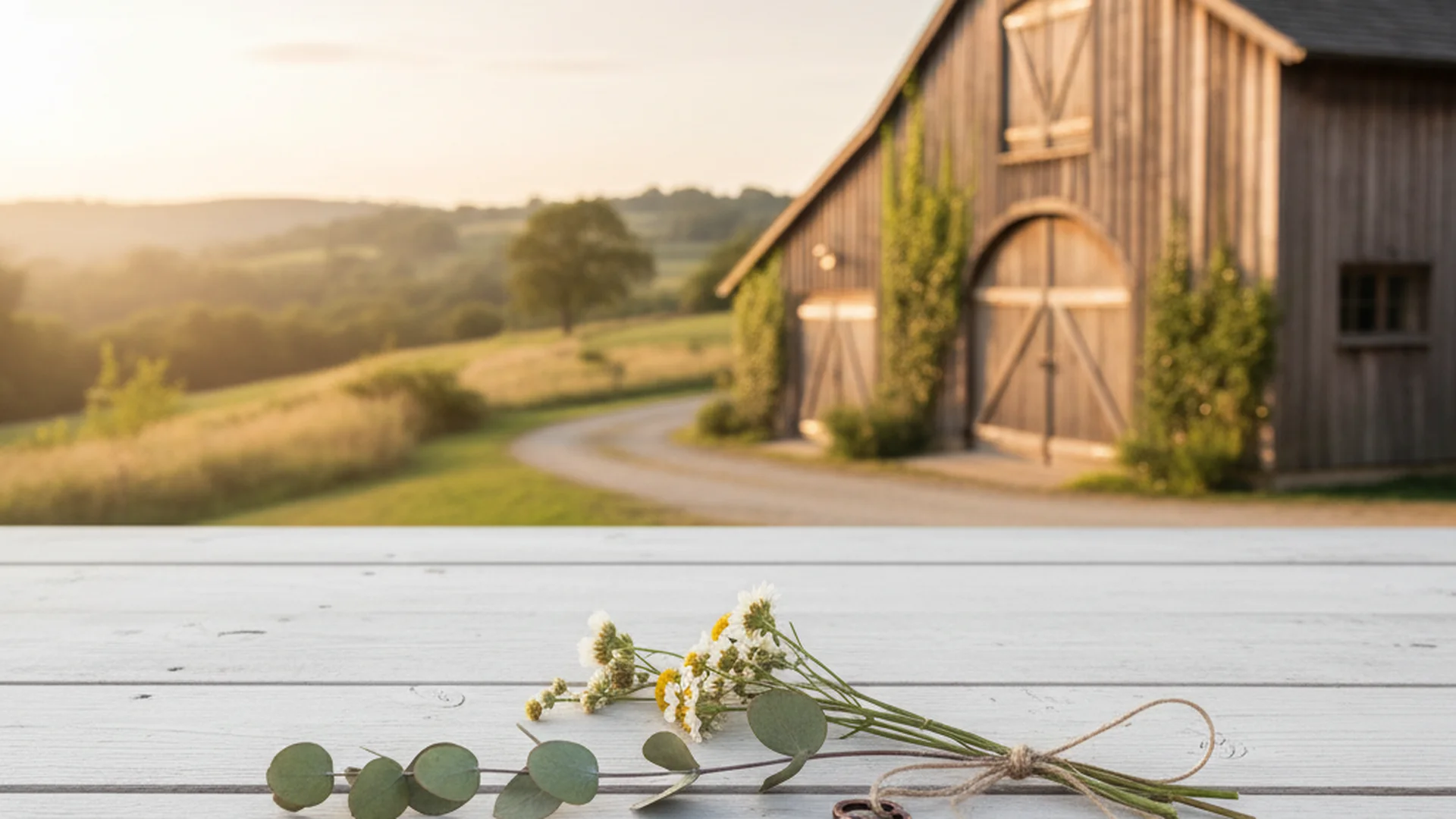
Rustic Wedding Venues: The Ultimate Guide to Farmhouse Chic and Barn Elegance
Discover the top trends, costs, and essential tips for booking rustic wedding venues in 2025-2026. From "Meadowcore" florals to modern farmhouse aesthetics.
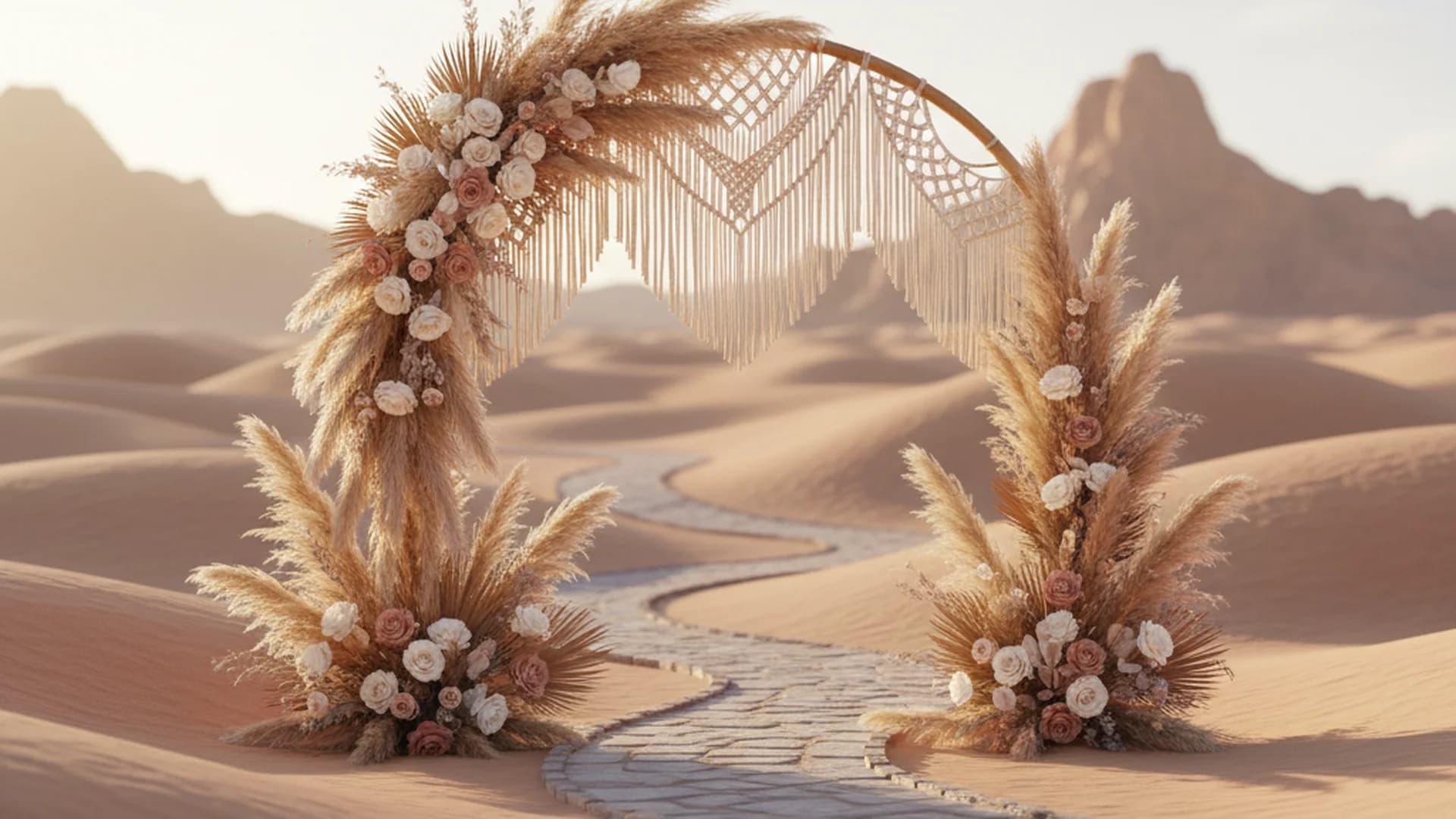
The Ultimate Guide to Desert Wedding Venues: 2025-2026 Trends and Logistics
Planning a wedding in the desert? Discover the best desert wedding venues, 2025 aesthetic trends like Desert Disco, and essential logistics for an ethereal celebration.