Honoring Your Elders: The Ultimate Guide to Including Elderly Guests at Your Wedding
Learn how to accommodate and celebrate elderly guests at your wedding. From accessibility tips to inclusive trends, ensure your older loved ones are comfortable.
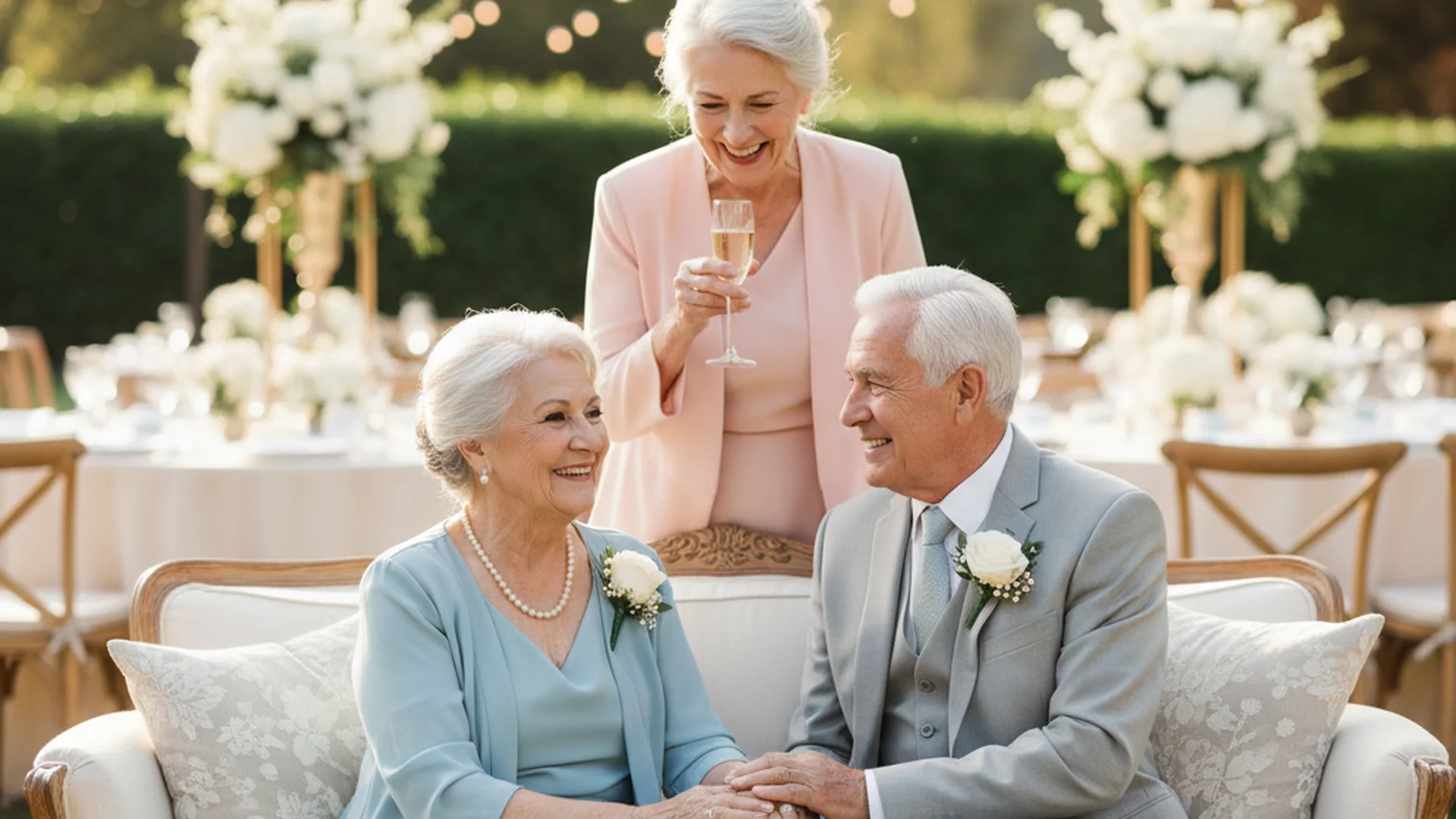
- Prioritize accessibility with 'gentle paths' and proximity to restrooms.
- Front-load major events like cake cutting so seniors can participate before tiring.
- Use 'Letter Seating Charts' and 'Era-Hopping' playlists to bridge the generational gap.
Welcoming elderly guests at wedding celebrations is about far more than simply checking a box on your guest list; it is about honoring the legacy and the deep-rooted family history that has brought you to this moment. The vast majority of older Americans are grandparents, making them a central pillar of the modern multi-generational wedding. Whether it is a grandmother who traveled across the country or a great-uncle who has never missed a family milestone, ensuring their comfort is essential for a truly inclusive celebration.
As you navigate the complexities of guest management, it becomes clear that seniors aren't just attendees—they are often active participants. In many families, parents and extended relatives play a meaningful role in the overall wedding planning process. However, despite their importance, many couples overlook the physical and logistical needs that come with age. From navigating gravel paths to understanding digital-only invitations, there are several hurdles that can make an older guest feel sidelined.
Planning for Physical Comfort and Accessibility
The foundation of a senior-friendly wedding starts with the venue. While a rustic barn or a clifftop ceremony may be aesthetically pleasing, these locations often present significant mobility challenges. For elderly guests at wedding events, the environment can be the difference between an evening of joy and an evening of physical strain.
The "Gentle Path" Philosophy
When touring venues, look for what experts call the "Gentle Path." This means prioritizing locations with paved, level walkways. Avoid venues that require guests to walk over thick grass, loose gravel, or uneven stone, as these are major hazards for those using walkers, canes, or even just those with slightly diminished balance.
Tip
Restroom Proximity and Visibility
It is a small detail that makes a massive impact: ensure that the seating for your older guests is within 50 feet of an ADA-compliant restroom. As we age, mobility can slow down, and having to navigate a maze of tables or a long hallway can be daunting.
Seating That Supports
While trendy benches or low-slung velvet lounge furniture look great in photos, they are often a nightmare for seniors. Benches lack back support, and low furniture is incredibly difficult to sit in or stand up from. Opt for sturdy, padded chairs with armrests. The armrests provide the necessary leverage for seniors to stand up independently, preserving their dignity and comfort throughout the night.
Strategic Seating and Audio Logistics
Seating is one of the most stressful parts of wedding planning. When using a Complete Wedding Guest Management Guide, you’ll see that where people sit dictates their entire experience.
Seeing and Hearing the Ceremony
For the ceremony, seat your elderly guests in the first few rows, but ensure they have a clear view of the "vow zone." Many seniors have hearing impairments and rely partially on lip-reading or seeing facial expressions to follow the service. If you are using a Wedding Vow Writer to craft a beautiful speech, you want to make sure your grandparents can actually hear those heartfelt words.
Heads up
To Group or Not to Group?
A common question is: "Should I seat all elderly guests together?" While it might seem logical to put people of the same age group at one table, many seniors prefer to be seated with their immediate families. They want to see their children and grandchildren celebrate. A good rule of thumb is to seat them with at least two or three people they know well and feel comfortable asking for assistance if needed.
The Multi-Generational Wedding Timeline
The timing of your wedding can significantly affect how much your older guests enjoy the day. Energy levels typically peak earlier in the day for seniors, leading to the rise of the "Golden Hour" meal and front-loaded events.
Front-Loading the Highlights
In 2025, we are seeing a shift toward "Early Impact" schedules. Instead of waiting until 10 PM to cut the cake or have the first dance, couples are moving these events to immediately after the grand entrance or during dinner. This allows elderly guests at wedding receptions to witness the most important moments before they need to depart for the night.
| Event | Traditional Time | Senior-Friendly Time |
|---|---|---|
| Ceremony Start | 5:30 PM | 4:00 PM |
| Grand Entrance | 7:30 PM | 6:30 PM |
| Cake Cutting | 9:30 PM | 7:45 PM |
| First Dance | 8:30 PM | 7:00 PM |
The "Golden Hour" Meal
If your reception starts later in the evening, be sure to provide heavy appetizers or a "pre-dinner" course specifically for seniors. Many older adults follow strict medication schedules that require food at specific times. Providing a consistent flow of nourishment ensures no one feels faint or ill while waiting for a 9 PM dinner service.
Note
Inclusion and 2025 Trends for Seniors
Modern weddings are finding creative, sentimental ways to bridge the gap between generations. It’s no longer just about providing a chair; it’s about making them feel like a vital part of the story.
Era-Hopping Playlists
DJs are now implementing "Era-Hopping" early in the night. Instead of saving the 1950s–1970s classics for the end of the night when only the "die-hards" are left, they play them during the first 30 minutes of the dance floor. This encourages seniors to get up and dance while they still have the energy, creating beautiful photo opportunities of the whole family together.
Legacy Displays and Letter Seating Charts
A top trend for 2025-2026 is the "Generations of Love" table. This is a dedicated space featuring vintage wedding photos of parents and grandparents. It serves as a beautiful conversation starter and honors those who paved the way.
Another personalized touch is the "Letter Seating Chart." Instead of a standard board, couples write handwritten, heartfelt notes in envelopes that serve as both the seat assignment and a personalized thank-you note. For an older guest, receiving a handwritten letter from the couple is a keepsake they will treasure far longer than a party favor.
Do this
From the OurVows workspace
Wrangling the guest list?
Households, plus-ones, dietary needs, and RSVPs — all in one place, importable from a spreadsheet.
Managing Memory Issues and Special Needs
For relatives with dementia, Alzheimer's, or severe anxiety, a wedding can be an overwhelming sensory environment. It requires a proactive approach to ensure they feel safe.
The "Wedding Concierge"
Assign a dedicated "concierge"—this could be a younger cousin, a family friend, or even a hired professional. Their sole job is to check in on the elderly relative every hour, ensure they have water, help them to the restroom, and monitor their comfort level. This takes the pressure off the couple and the parents of the bride/groom.
The Quiet Retreat Room
Always ask your venue if there is a small, quiet room available near the reception hall. If an older guest becomes overstimulated by the loud music or the crowd, having a "Retreat Room" with comfortable seating and low lighting allows them to take a 20-minute break and reset rather than having to leave the wedding entirely.
Tip
Common Mistakes to Avoid
Even with the best intentions, certain "modern" wedding trends can inadvertently alienate older loved ones.
- The Digital-Only Invite: While paperless invites are eco-friendly and cost-effective, many seniors struggle with complex wedding websites. Always provide a printed "Details" card with clear addresses and a phone number for RSVPs.
- The "Standing-Only" Cocktail Hour: High-top tables (bistro tables) are common for cocktail hours, but they offer no place for a senior to sit and rest. Always ensure at least 25% of your cocktail hour seating includes standard-height chairs.
- Photo Session Fatigue: Formal family photos often take 30–60 minutes of standing. This can be physically exhausting. Always have a chair nearby for "Granny" to sit in between shots.
- Temperature Blindness: Seniors are often more sensitive to cold and heat. If you are having an outdoor wedding, provide "Comfort Baskets" with pashminas for drafts or handheld fans for the heat.
| Mistake | Solution |
|---|---|
| Only using QR codes for menus | Provide a few printed large-print menus |
| Low-profile floor florals | Keep paths clear to prevent tripping |
| Late-night food only | Serve substantial appetizers early |
Frequently asked questions
How do I ask if a guest has accessibility needs without being offensive?
Should I include my grandparents in the processional?
What if my relative has memory issues or dementia?
How do I handle a guest who uses a wheelchair in a historic venue?
Conclusion
Your wedding is a celebration of the community that raised you, and elderly guests at wedding festivities represent the very heart of that community. By taking a few proactive steps—prioritizing the "Gentle Path," front-loading your timeline, and providing sturdy seating—you ensure that your older loved ones are not just present, but truly comfortable and engaged.
When you look back at your wedding photos decades from now, the images of your grandparents laughing on the dance floor or watching you say your vows will be among your most cherished memories. Taking the time to plan for their needs is the ultimate "thank you" for their years of love and support.
Do this
Ready when you are
Planning your guest list?
Use our guest count calculator to manage your multi-generational invites perfectly.
Ready when you are
Plan your wedding without the chaos.
Free forever for couples just getting started. Two minutes to set up. No credit card.
Keep reading
The Ultimate Guide to Hosting International Wedding Guests in 2026
Navigate the complexities of international wedding guests with our expert guide. From etiquette and logistics to 2026 trends, ensure your global loved ones have a seamless experience.
How to Trim Your Wedding Guest List Without the Guilt: A 2025-2026 Guide
Learn expert strategies for trimming your wedding guest list. From the 1-year rule to the "Dinner Test," manage your budget and family expectations with ease.

The Ultimate Guide to a Wedding RSVP Tracking System: 2025-2026 Edition
Master your guest list with an automated Wedding RSVP Tracking System. Learn about AI tools, QR codes, and expert tips for managing your 2025 wedding.