DIY Wedding vs Planner: Which Path Is Right for Your 2025 Celebration?
Deciding between a DIY wedding vs planner? Explore 2025-2026 trends, AI tools, and cost-benefit analyses to choose the best planning style for your big day.
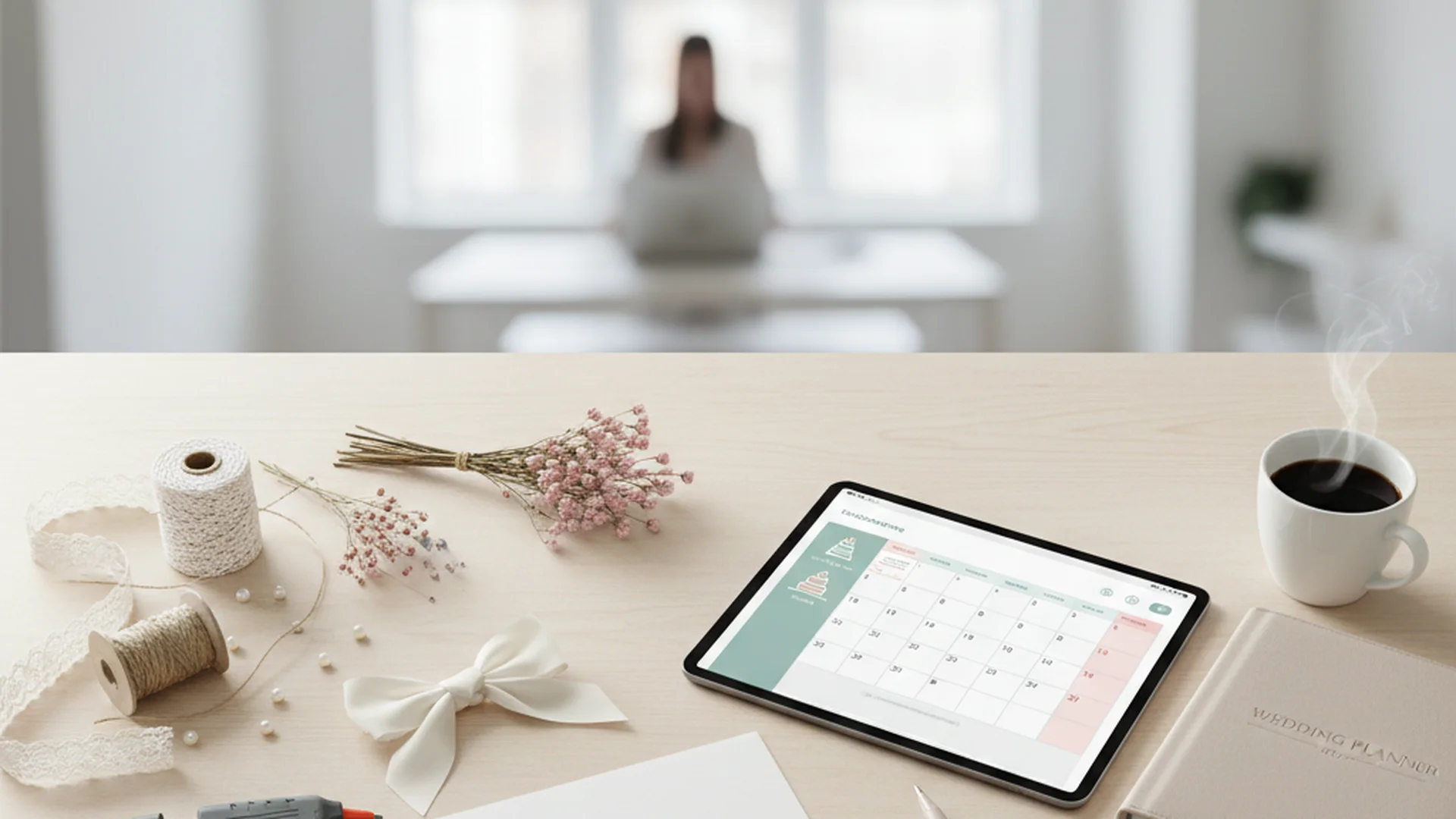
- DIY weddings require 250-500+ hours of labor, but AI can meaningfully reduce this.
- Planners often pay for themselves through vendor negotiations and error prevention.
- The "Hybrid" model (DIY design + Month-of Coordinator) is the top choice for 2025.
As we move into the 2025 and 2026 wedding seasons, couples are facing a unique dilemma: the desire for a hyper-personalized, "Pinterest-perfect" celebration versus the reality of rising costs and demanding schedules. The debate of DIY wedding vs planner has evolved from a simple budget question into a complex evaluation of time, mental health, and technological leverage.
While many couples start their journey envisioning a handcrafted labor of love, the sheer scale of modern weddings—often involving "progressive dining," interactive stations, and tech-heavy logistics—can quickly become overwhelming. Whether you are a type-A project manager at heart or someone who wants to hand over the reins entirely, understanding the current landscape is essential for a stress-free walk down the aisle.
The DIY Path: Creative Freedom and the "Labor of Love"
The appeal of a DIY wedding is often rooted in two things: saving money and maintaining absolute creative control. The majority of couples still handle most of their planning themselves. For these couples, the wedding isn't just an event; it's a personal project that reflects their specific aesthetic and values.
The True Cost of DIY
While you might save on the professional fee listed in our guide on how much wedding planner cost, the DIY path introduces a "financial paradox." Many DIY couples end up significantly underestimating their budget. This often happens because of "dry hire" venues—spaces where you rent only the four walls.
If you choose a DIY venue, you must account for "hidden" costs like:
- Table and chair rentals (often $500–$2,000+)
- Certificate of Insurance (COI) for every single vendor
- Setup and breakdown labor fees
- Trash removal and professional cleaning
The Time-is-Money Trade-off
The average DIY wedding requires 250 to 500+ hours of planning. If you spend 300 hours planning to save $2,000 on a planner, you are effectively valuing your personal time at less than $7 per hour. For busy professionals, this "18-month fatigue" is a real risk that can lead to burnout before the honeymoon even begins.
Heads up
The Professional Path: Why "Luxury" Is Becoming a Necessity
The narrative that wedding planners are only for the wealthy is fading. In 2025, hiring a pro is increasingly seen as an investment in "sanity insurance." While full-service planning can exceed $10,000, a day of wedding coordinator or a partial planner offers a middle-ground solution that fits many budgets.
The Negotiation Advantage
A professional planner doesn't just pick out flowers; they act as a buffer and a negotiator. Because they bring repeat business to vendors, they can often secure discounts or waived fees that a one-time DIY couple cannot. It is common for a planner to save a couple upwards of $5,000 through contract vetting and preventing logistical errors—effectively paying for their own fee.
Creative Direction vs. Creative Control
One of the biggest misconceptions in the DIY wedding vs planner debate is that hiring help means losing your voice. Modern planners function as "Creative Directors." They take your fragmented Pinterest boards and refine them into a cohesive, executable plan. They handle the "boring" logistics—like checking if the venue's electrical grid can handle your DJ's lighting rig—so you can focus on the emotional aspects of the day.
Tip
The Tech Revolution: Using AI to Bridge the Gap
We are currently in the era of the "AI Wedding Co-Planner." For the DIY-inclined couple, technology is now closing the gap between professional expertise and amateur planning. Tools like Nupt.ai and RSVPify can meaningfully cut down the manual labor burden.
How AI is Changing the Game
- Vow Writing: As a vow coach, I see more couples using tools like the (Marketing) - Tools - Wedding Vow Writer to overcome writer's block.
- Seating Charts: AI can now generate optimal seating arrangements in seconds based on guest relationships and table dimensions.
- Budgeting: Smart calculators can predict costs based on your zip code and guest count. Try our (Marketing) - Tools - Wedding Budget Calculator to see real-time estimates.
Virtual Reality and 3D Previews
In 2026, high-end planners are using VR walkthroughs to show couples exactly how their "deconstructed timeline" or "progressive dining" layout will look before a single deposit is paid. This eliminates the "Pinterest Perfection" delusion, where couples try to recreate professional rigging and expensive installs that aren't structurally possible in their chosen venue.
The Hybrid Model: The Secret to a Stress-Free Day
If you're torn between a DIY wedding vs planner, the Hybrid Model is the gold standard for 2025. This strategy allows you to enjoy the creative process of planning while ensuring the actual wedding day is handled by a professional.
Step 1: DIY the Research and Design
Spend the first six months picking your venue, choosing your color palette, and finding your dream photographer. Use our guide on how to find wedding vendors to build your initial team.
Step 2: Hire a Month-of Coordinator
Roughly 6–8 weeks before the wedding, you "hand over the baton." The coordinator reviews your contracts, confirms final counts, and creates the master timeline.
Step 3: Be a Guest at Your Own Wedding
On the day of the event, the coordinator is the one who handles the "missing ice" or the vendor who arrives 30 minutes late. You and your family should never be the point of contact for logistical issues.
Do this
From the OurVows workspace
Vetting vendors?
Track contacts, contracts, and payments — and never walk into a meeting without the right questions.
Real-World Examples: Three Paths to the Altar
Example 1: The Small DIY Micro-Wedding
- Guest Count: 35
- Approach: All-inclusive restaurant venue.
- Result: The couple DIYed the stationary and used an AI tool for their seating. Because the venue provided staff, food, and furniture, a planner wasn't necessary.
Example 2: The Full-Service Ballroom Wedding
- Guest Count: 200
- Approach: Professional Planner hired from day one.
- Result: The planner managed 15+ vendors, negotiated a $3,000 discount on the catering package, and handled a complex "progressive dining" transition between three different rooms.
Example 3: The Hybrid Backyard Estate Wedding
- Guest Count: 120
- Approach: DIY design + Month-of Coordinator.
- Result: The couple spent 400 hours planning. However, they realized late that they needed a professional to manage the "dry hire" logistics. The coordinator saved the day when the rental company forgot the glassware, sourcing a replacement two hours before the ceremony.
Common Mistakes to Avoid
1. The "Friend-as-Coordinator" Trap
Asking a bridesmaid or a cousin to "run the day" is a recipe for disaster. They are not professionals, they don't have authority over your paid vendors, and most importantly, they can't enjoy the wedding as your guest.
2. Ignoring the Certificate of Insurance (COI)
Many DIYers forget to ask for COIs. If a photographer trips over a cord and sues, or a vendor damages the venue floor, you could be personally liable without proper documentation. Professional planners handle this automatically.
3. Underestimating "Setup Time"
DIYers often assume they can set up 100 chairs and 10 centerpieces in an hour. In reality, floral installs and décor rigging take professional teams 4–6 hours. If you're doing it yourself, you're likely doing it while you should be getting your hair and makeup done.
Note
Frequently asked questions
Is a wedding planner actually worth the money?
What is the difference between a Day-of Coordinator and a Wedding Planner?
Can I DIY my flowers to save money?
Does hiring a planner mean I lose creative control?
How do I know if I'm "DIY-fatigued"?
Conclusion: Making Your Choice
The choice between a DIY wedding vs planner ultimately comes down to a self-assessment of your resources. If you have the time (500 hours) and the organizational skills, a DIY wedding can be a deeply rewarding "labor of love." However, if you value your weekends and want to ensure a professional finish, the investment in a planner—even a partial one—is almost always worth the cost.
Before you make a final decision, ensure you have a clear understanding of the tasks ahead. Reviewing our Questions to Ask Wedding Planner can help you determine if a specific pro aligns with your needs.
Do this
Ready when you are
Ready to Start?
Use our intelligent tools to streamline your planning, whether you're going DIY or hiring a pro.
Ready when you are
Plan your wedding without the chaos.
Free forever for couples just getting started. Two minutes to set up. No credit card.
Keep reading

10 Essential Wedding Transportation Tips for a Flawless Big Day
Planning your wedding logistics? Discover expert wedding transportation tips for 2025-2026, from average costs and booking timelines to the latest eco-chic trends.

How Much Does a Wedding Planner Cost? 2025 - 2026 Price Guide
Discover how much a wedding planner costs in 2025. From day-of coordination to full-service luxury planning, learn about pricing models, trends, and hidden fees.
25 Essential Questions to Ask Hair and Makeup Artist Candidates for 2025-2026
Discover the ultimate list of questions to ask hair and makeup artist pros. From 2025 beauty trends to pricing and trials, ensure your wedding look is flawless.