The Ultimate 2025 Courthouse Wedding Guide: Planning a Chic Civil Ceremony
Discover the essential facts, costs, and trends for courthouse weddings in 2025 and 2026. Learn how to plan a chic, intimate, and budget-friendly civil ceremony.
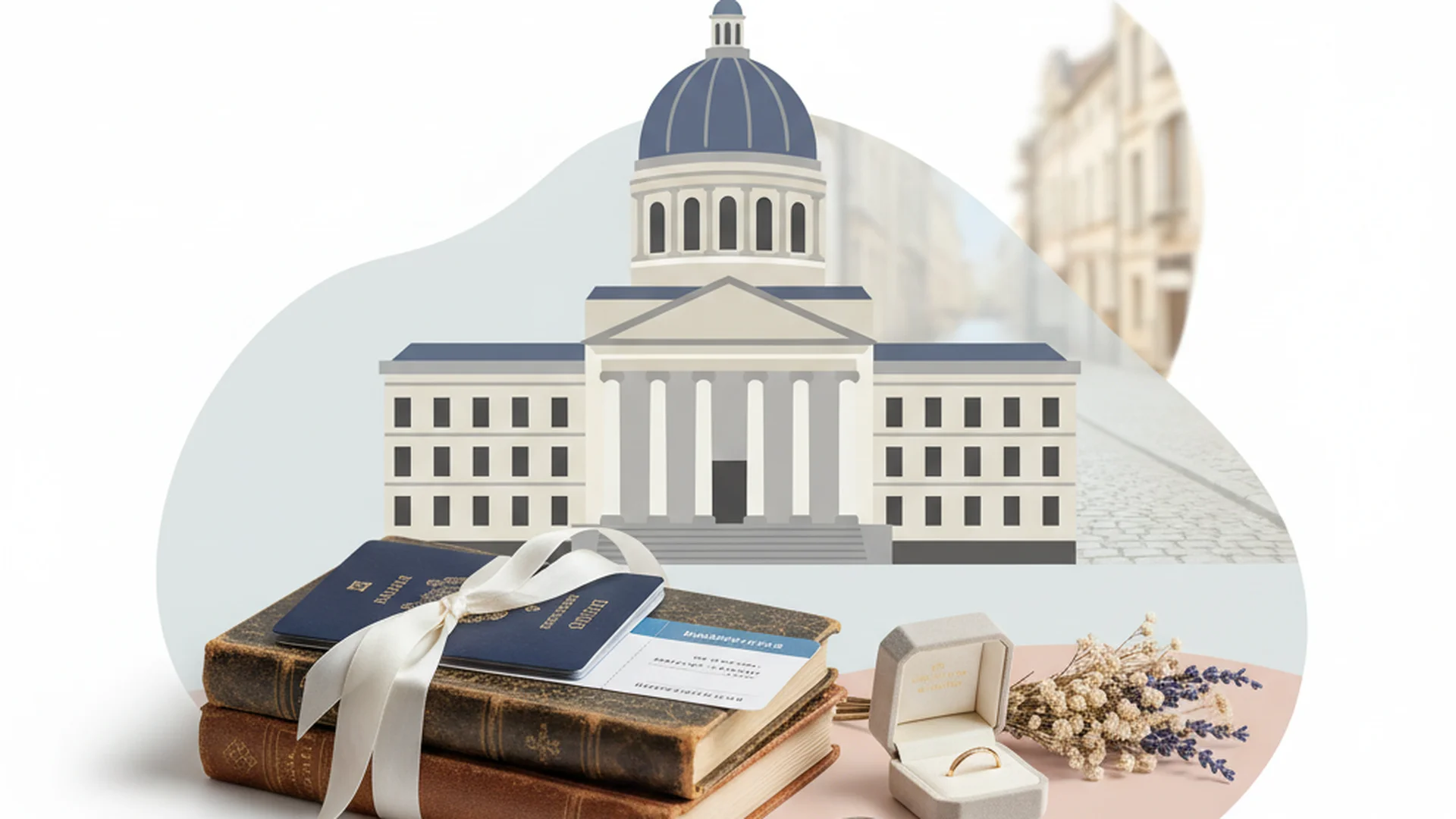
- Courthouse weddings are a primary choice for Gen Z, focusing on financial freedom and intimacy.
- Legal requirements vary by state, with most requiring a 24 to 72-hour waiting period.
- The "Deconstructed Wedding" trend separates the legal ceremony from the social celebration.
In the ever-evolving landscape of modern matrimony, the civil ceremony has undergone a radical transformation. Once perceived as a hurried "Plan B" or a purely administrative task, the courthouse wedding has emerged as a high-style, intentional choice for couples in 2025 and 2026. Whether you are looking to save for a down payment, simplify your life, or kick off a multi-destination celebration, this Courthouse Wedding Guide provides everything you need to navigate the legalities and aesthetics of a city hall "I do."
As an interfaith wedding officiant, I have seen a significant shift in how couples approach their legal union. We are moving away from the "all-or-nothing" traditional wedding model toward what we call the "deconstructed wedding." This allows you to secure your legal status with chic simplicity while saving the grand party for a later date.
Why the Civil Ceremony is Trending for 2025
The move toward courthouse weddings isn't just about saving money; it’s a cultural shift led by Gen Z and younger Millennials. According to recent industry reports, over 58% of Gen Z adults express a desire for legal marriage but are increasingly rejecting the $35,000+ national average wedding cost. Instead, they are opting for "chic-office" style ceremonies that prioritize the couple's connection over a massive guest list.
This trend is often paired with elopement-style photography. If you are considering this path, you might also find inspiration in our list of the Best Places to Elope. The courthouse offers a unique architectural backdrop—often featuring historic marble staircases and mid-century modern government aesthetics—that fits the "editorial candid" look currently dominating social media.
The Legal Essentials: Costs and Waiting Periods
Before you pick out your outfit, you must understand the logistical landscape. Every state—and often every county—has its own set of rules.
Understanding the Cost
A courthouse wedding is the most financially accessible way to get married. A basic ceremony typically costs between $30 and $120. This fee is usually broken down into two parts:
- The Marriage License: This is the legal document that permits you to marry (approx. $30–$80).
- The Ceremony Fee: A small administrative fee paid to the clerk or judge who performs the ceremony ($25–$50).
If you are trying to figure out how this fits into a larger financial plan, check out our $5000 Wedding Budget guide to see how much more you can do when your venue costs are minimal.
Navigating Waiting Periods
A common misconception is that you can walk into a courthouse and get married instantly. In reality, most states have mandatory waiting periods.
- New York: 24-hour waiting period after obtaining the license.
- Texas: 72-hour waiting period.
- California: No waiting period, but appointments are highly recommended.
Heads up
How to Book Your Appointment
In major metropolitan areas, getting a slot at the marriage bureau is like securing tickets to a major concert. For example, in New York City, appointment slots "drop" on specific days (like Monday mornings at 9:00 AM via the Project Cupid portal).
Expert Recommendation: The "Drop" Time
To secure your preferred date, research exactly when your local clerk releases new appointments. If you are planning a popular date (like Valentine's Day or 10/10/25), you must be online the moment the portal opens.
Tip
Planning the "Deconstructed" Schedule
One of the most popular strategies for 2025 is the "Legal First, Party Later" approach. This allows couples to handle the legalities on a quiet Tuesday or Wednesday when the courthouse is less crowded.
By separating the legal ceremony from the reception, you can:
- Use a Wedding Budget Calculator to allocate more funds toward a high-end dinner.
- Avoid the stress of coordinating legal paperwork on your "big" wedding day.
- Enjoy a private, intimate moment before the public celebration.
For those planning a larger event later, keeping track of your timeline is essential. Refer to our 12 Month Wedding Planning Checklist to ensure you stay on track for your subsequent celebration.
What to Wear: The "City Hall Chic" Aesthetic
While there is no formal dress code for a courthouse, the current trend for 2025 and 2026 is "City Hall Chic." This style blends high-fashion editorial looks with the practicality of a government building.
- For Brides: Mini dresses with bows, tailored white jumpsuits, or vintage-inspired suits.
- For Grooms: Slim-fit suits in unconventional colors (like sage green or navy) or even high-end casual attire like a turtleneck under a blazer.
- The Vibe: Think "cool girl" or "editorial candid."
Note
From the OurVows workspace
Planning from a distance?
A checklist tuned to your date, a shared budget, and a website your guests will actually use.
Requirements: Witnesses and Vows
Requirements for witnesses vary drastically by state, which can impact your guest count planning.
| State/Location | Witness Requirement | Notable Feature |
|---|---|---|
| New York City | 1 Witness | Strict guest limits (usually 4 total) |
| California | 1-2 Witnesses | Remote license appointments available |
| Illinois | 1-2 Witnesses | Expansion of self-solemnization in 2026 |
| Colorado | 0 Witnesses | Allows for "Self-Solemnization" |
Can You Write Your Own Vows?
Most judges and clerks allow a brief personal statement, but because they often have ceremonies booked every 15 minutes, you should keep your vows to under 2 minutes. If you want a more robust ceremony, consider using a Wedding Vow Writer to craft something short, impactful, and beautiful.
Modern Trends & Updates (2025–2026)
The world of civil ceremonies is becoming more flexible. Starting in January 2026, more jurisdictions are expected to adopt self-solemnization rules, following the lead of Colorado and Pennsylvania. This allows couples to marry themselves without a third-party officiant, providing the ultimate level of privacy.
Additionally, the "Wedding Content Creator" has become a staple of the courthouse experience. Instead of a traditional 8-hour photography package, couples are hiring creators for a 2-hour "editorial session" to capture the candid, "blurry-chic" aesthetic that is trending for 2026.
Do this
Common Mistakes to Avoid
Even a simple courthouse wedding has pitfalls. Avoid these common errors to ensure your day goes smoothly:
- Forgetting Original Documents: Courthouses will not accept photocopies or digital images of your birth certificates or divorce decrees. You must bring original, certified copies with raised seals.
- Bringing a Large "Wedding Party": Many urban courthouses have strict guest limits. For example, Manhattan often limits you to one witness and 2–3 additional guests. If you bring 10 people, security will likely turn them away.
- Choosing the Wrong Building: Not every courthouse performs weddings. Only specific branches, usually the County Clerk’s Office or Marriage Bureau, handle ceremonies.
- Underestimating the Wait: Even with an appointment, government offices can run behind. Treat the day as a slow, relaxed experience rather than a tight schedule.
Heads up
Frequently asked questions
How long does the actual ceremony take?
Do we need to bring our own witness?
Can we get married at a courthouse in a different state?
Is a courthouse wedding legally the same as a religious one?
Can we have a courthouse wedding if we are already married abroad?
Conclusion
The modern courthouse wedding is a testament to the fact that your union doesn't need a five-figure price tag to be meaningful, stylish, or memorable. By focusing on the legal essentials, embracing "City Hall Chic," and planning for the logistical nuances of 2025, you can create an intimate experience that perfectly reflects your relationship.
Whether you are using this as a stepping stone to a Caribbean Destination Wedding Guide adventure or as your primary celebration, the courthouse offers a timeless, sophisticated way to say "I do."
Do this
Ready when you are
Ready to Start?
Begin planning your perfect intimate ceremony today.
Ready when you are
Plan your wedding without the chaos.
Free forever for couples just getting started. Two minutes to set up. No credit card.
Keep reading
How to Plan an Elopement: The Ultimate 2025-2026 Guide
Learn how to plan an elopement in 2025-2026. From budget tips and permits to tiered celebrations, discover how to create an intentional, authentic wedding experience.

The Ultimate Guide to a Santorini Destination Wedding: 2025-2026 Edition
Planning a Santorini destination wedding? Discover costs, legal requirements for 2025-2026, the best venues, and expert tips for an iconic Greek island celebration.
The Ultimate Nashville Destination Wedding Guide: 2025-2026 Edition
Plan the perfect Nashville destination wedding with expert advice on venues, legal requirements, 2025 trends, and budgeting for the Music City experience.